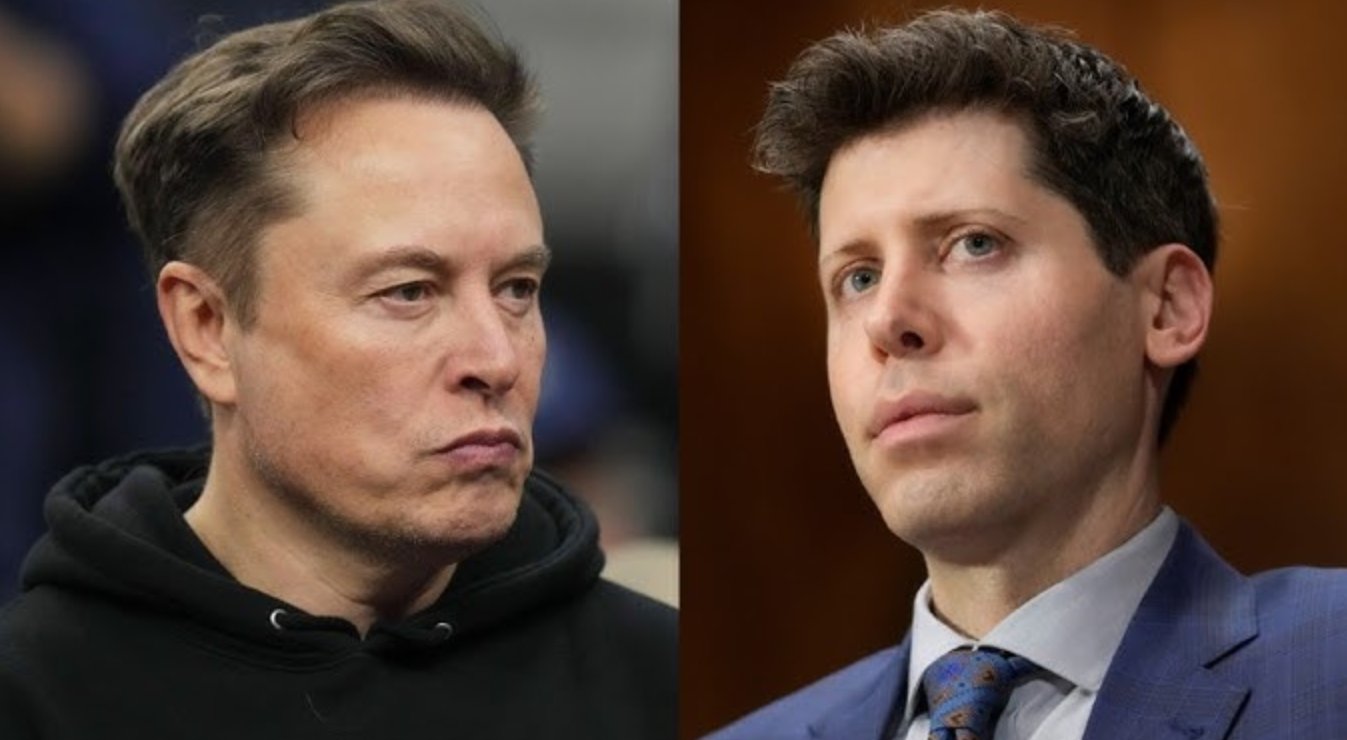
Nine jurors filed back into a federal courtroom in Oakland, Calif., on Monday afternoon after roughly two hours of deliberation. Their verdict, read in open court, ended two years of litigation between Elon Musk and the company he helped found: he had waited too long to sue OpenAI and Sam Altman. U.S. District Judge Yvonne Gonzalez Rogers accepted the advisory ruling and dismissed the case in full, including the claims against co-defendant Microsoft.
The verdict turned on timing, not truth. Jurors never reached the substance of Musk’s allegations that OpenAI abandoned the nonprofit mission on which it was founded in 2015. California law sets a three-year window for breach of charitable trust claims and a two-year window for unjust enrichment, and the evidence persuaded the panel that Musk knew about OpenAI’s commercial trajectory well before the limitations period began.
The litigation had a convoluted path. Musk sued in California state court in February 2024, withdrew the complaint in June, and refiled in federal court that August with antitrust claims added and Microsoft named as a defendant. An amended filing in late 2024 expanded the target list to include OpenAI board members. In March 2025, Judge Gonzalez Rogers dismissed most of the federal claims, including the antitrust counts, while allowing a narrow set of contract-based claims to proceed. A related bid by Musk to block OpenAI’s restructuring was rejected, and the surviving claims finally went to trial in Oakland in late April, with testimony stretching over roughly three weeks.
Musk co-founded OpenAI in 2015 as a nonprofit and, according to evidence presented at trial, contributed roughly $38 million in early funding. His lawsuit alleged that Altman and the organization breached the founding mission of developing artificial intelligence for the benefit of humanity, that he was deceived into giving up control as OpenAI shifted toward a for-profit structure, and that he was owed compensation under the original arrangement. At the founding, he had publicly pledged about $1 billion to the venture; the contributions that followed were far smaller, and the gap between pledge and payment became a recurring point of dispute in the litigation.
The jury’s finding was advisory, meaning the judge retained final authority — a common arrangement when a case blends legal and equitable claims. OpenAI argued, and the jury agreed, that Musk was aware of the company’s restructuring plans and its shift toward a for-profit model years before he filed suit, so his window to sue had expired. Over three weeks of testimony, the dispute narrowed to a question of calendars and email trails: what Musk knew, and when he knew it.
“There’s a substantial amount of evidence to support the jury’s finding,” Judge Gonzalez Rogers said from the bench as she adopted the verdict and dismissed all claims against OpenAI, its leadership and Microsoft. Because the ruling rested on timing, the central question the case was built around — whether OpenAI’s conversion from charity to corporation breached the commitments of its founding — was never answered on the merits.
Musk criticized the outcome on X, calling it “a free license to loot charities if you can keep the looting quiet for a few years.” He described the presiding judge as a “terrible activist” and said the jury served as “a fig leaf” for a decision based on a “calendar technicality.” His attorney, Marc Toberoff, said “This war is not over” and signaled plans to appeal.
Legal experts were skeptical about the appeal’s prospects. Carl Tobias, a law professor at the University of Richmond, called the verdict “a very fact-based decision” that juries are trusted to resolve with “community common sense.” Raffi Melkonian, an appellate specialist, noted that appeals of jury verdicts are “very hard to win,” particularly on statute-of-limitations findings that a trial judge has already reviewed. Microsoft, which had been named as a defendant, welcomed the verdict and reaffirmed its commitment to its partnership with OpenAI.
The case now heads toward the Ninth Circuit, where an appeal faces a deferential standard of review on the factual question of when Musk’s claims accrued. Beyond the parties, the verdict sharpens a governance question: under current charity law, a donor who objects to a nonprofit’s restructuring has a narrow window to challenge it, and the expiration of that window can end a dispute before its substance is examined. The outcome suggests that timing can matter as much as substance in these cases.
The case was always as much about governance as about Musk’s personal grievances. OpenAI’s conversion from charity to corporation has become a template for the industry — the model for how an AI lab raises capital, hires talent and scales — and the verdict leaves that template legally unexamined on its merits. Regulators and rival founders have watched the case for exactly that reason.
On Hacker News, where the story drew more than 1,000 points, the prevailing community view was blunt: Musk sued too late. For OpenAI, the verdict removes a legal cloud that has hung over its for-profit conversion for two years. For Musk, it is the latest in a series of courtroom setbacks, though Toberoff’s parting words made clear the fight may not end here. The jury settled the timing question, not the mission question — and a promised appeal means that question is not fully closed.