The filing landed with the routine precision of a machine that never stops. On June 5, Tencent Holdings reported to the Hong Kong exchange that it had bought back 1,092,000 shares for HK$500.4 million, at prices between HK$452.4 and HK$465.8. The buyback is one more beat in a drum that has played almost every trading day for years: Tencent buying its own stock, at roughly the same size, to support a share price that the broader market has been testing.
The move is part of a pattern that predates the current turbulence. Tencent has repurchased its shares in daily increments of about HK$500 million for an extended stretch, canceling the shares it buys back and shrinking its float in a slow, deliberate way. The mandate for the current program dates to May 13, and the company had bought back more than 14 million shares under it by June 5. Against a Hong Kong technology sector under pressure, the buyback is the company’s quiet way of saying its own stock is the best investment it knows.
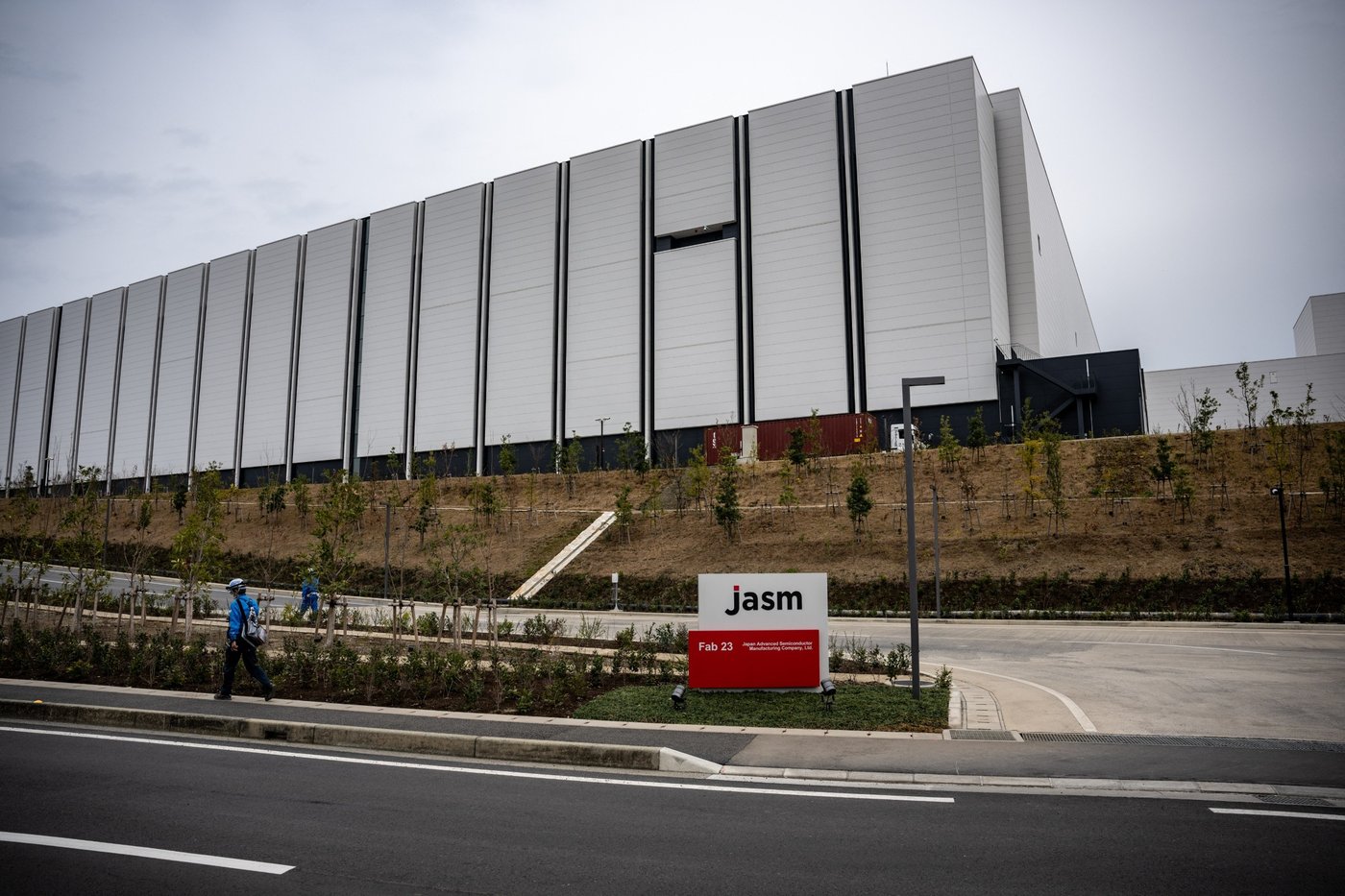
The same day, mainland money was making a louder statement about a different company. Southbound funds — the channel through which mainland Chinese investors buy Hong Kong shares — recorded their 14th consecutive day of net purchases of SMIC, the mainland’s leading chipmaker, accumulating a total of about HK$17.7 billion over that stretch. The buying is the clearest evidence yet of the depth of conviction behind China’s semiconductor self-reliance push, and it is not a retail phenomenon: the flows are large enough that they move the stock and influence the sector’s direction.
SMIC occupies a unique position in the Chinese market. It is the country’s best hope for advanced chipmaking without access to Western equipment, the beneficiary of state funds, and a barometer for the entire domestic semiconductor supply chain. For southbound investors, buying SMIC is a bet on a specific company, but it is also a proxy for a national strategy: build the chips at home, whatever it costs. The 14-day buying streak suggests that conviction has not wavered even as the U.S. tightens export controls and the gap with Taiwan’s leading foundries remains wide.
The two flows are different expressions of the same calculus. Tencent is defending its valuation in a market where technology stocks are under pressure — its buyback is a capital-return story, a signal that management believes the shares are cheap and the business is undervalued. The southbound money into SMIC is a growth story, a bet that the domestic chip industry’s moment has arrived and that SMIC will be the main beneficiary. One is a statement about the present; the other is a statement about the future.
Pop Mart, the collectible-toy company that has become a symbol of Chinese consumer spending, drew its own southbound support the same day, with net purchases of about HK$552 million. The flows into consumer and semiconductor names at once suggest a rotation, not a retreat: mainland investors are using the Hong Kong market to place bets on both sides of China’s economic strategy — domestic consumption and strategic technology.
The Hong Kong market has been the stage for both stories. The city’s exchange has struggled with liquidity and listings in recent years, but the southbound channel gives it a persistent buyer base that no other market can match. When mainland money decides to move, it moves in sizes that dwarf retail trading, and the 14-day SMIC streak is a demonstration of that force. The buybacks and the inflows together have kept Hong Kong’s technology complex from the kind of collapse that would have followed in a market without them.
For investors watching from outside, the signals cut both ways. The Tencent buyback is a vote of confidence in the company’s own cash generation — a company that does not need the market’s permission to keep buying its stock. The SMIC inflows are a vote of confidence in a national project that has yet to prove it can close the technology gap. Both are bets that patience pays. Whether they are right depends on the two things that are hardest to predict in this market: the course of the AI buildout in China and the course of the export controls that are trying to slow it.
The arithmetic of the flows is simple to state and hard to argue with: Tencent is taking shares off the market every day, and mainland money is putting a floor under the sector’s most strategic names. Neither habit has broken in the face of a difficult year, and on June 5, both continued without hesitation. For the companies involved, the message is the same one they have been sending for months — we believe in our own balance sheet, and we are not going anywhere.