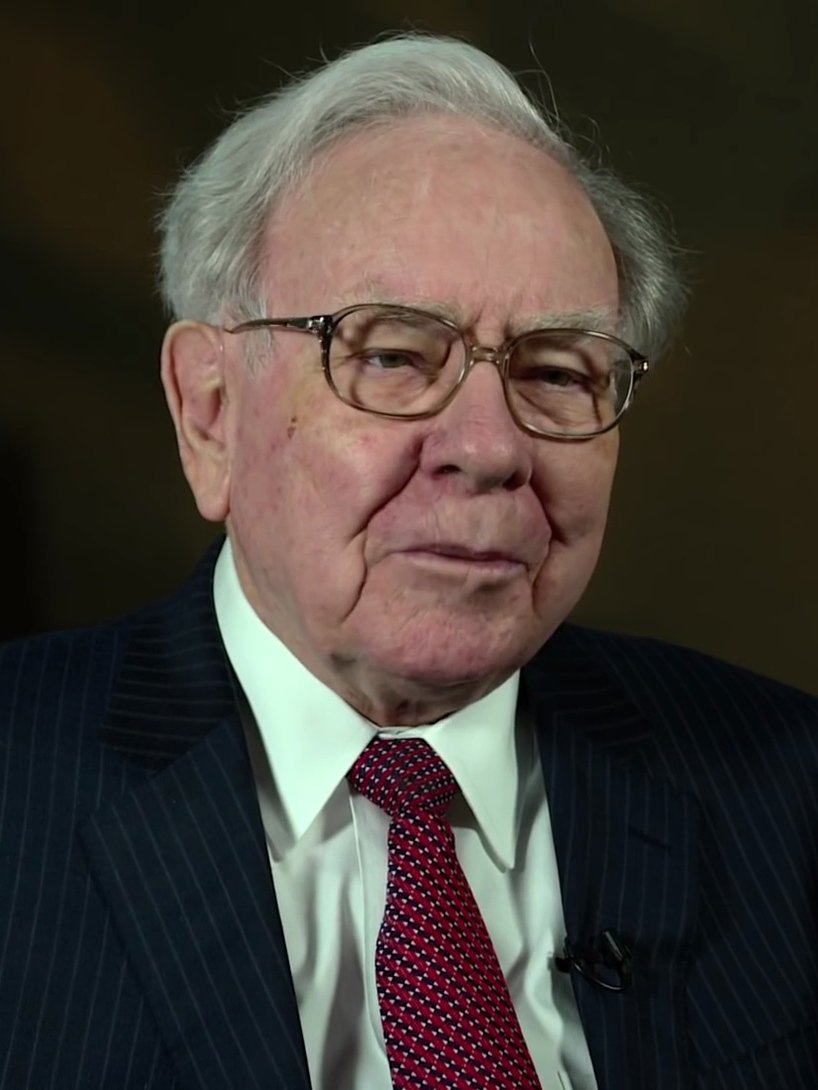
Two of the world’s most patient investors, aged 95 and 97, are moving in the same direction, and neither is buying. Warren Buffett’s Berkshire Hathaway has now sold stock for fourteen consecutive quarters, and Li Ka-shing has spent the past five years converting the empire he built in Hong Kong into cash. The two men, who have never been partners, are acting like they share a playbook.
Berkshire’s first-quarter filing laid the selling out in plain numbers. The Apple stake has been cut by more than 70 percent, the Bank of America position by nearly half, Amazon has been cleared out entirely, and the small holdings in Alphabet and HP are gone. The portfolio that once anchored Berkshire to the technology trade now tilts toward the companies whose balance sheets Buffett has always understood best: insurers, utilities, banks and railroads.
The cash pile tells the rest of the story. Berkshire ended the quarter with $397.4 billion in cash and equivalents, a record, equal to 58.2 percent of total assets. In the first three months of the year it was a net seller of $8.15 billion of stock, extending a streak that began in early 2023, and Buffett has said little to suggest the streak will end soon.
The obvious question is why. Analysts who follow Berkshire read the selling as a valuation statement: at current prices, Buffett cannot find stocks that offer the margin of safety his method requires. With the S&P 500 trading at multiples that approach the dot-com peak, cash yielding 4 percent or more looks like a better investment than most equities, and a 95-year-old investor who has said he wants to keep Berkshire’s assets deployable is choosing the option that preserves capital.
Li Ka-shing has been making the same choice on the other side of the world. His CK Group has spent 2026 clearing out the British assets it bought over the previous decade: the UK power grid and UK telecommunications holdings are being sold, and the proceeds from Britain alone this year have reached roughly HK$220 billion, about $28 billion. Over the past five years, the family’s total global cash-outs have surpassed HK$350 billion.
The pattern in Hong Kong is familiar. Li has been moving money out of the West and back toward Asia since 2013, selling UK infrastructure, European telecom and Australian assets as their prices rose. The British exits this year follow the same logic he has applied for a decade: when stable returns stop being stable, the first choice of top capital is to take the money off the table.
Both men are being told they are early. The warnings have been piling up from institutions and economists who say a financial storm is likely within the next twelve to eighteen months. Gao Zhikai, a vice president at the Center for China and Globalization, said in a recent appearance that the coming shock could carry ten times the destructive power of the 2000 internet bubble, a comparison that made the rounds of Asian trading desks.
The two investors do not need the warnings to act. Their moves predate the current anxiety by years: Buffett began trimming Apple in 2023, and Li started rotating out of Europe in 2013. What the warnings explain is why they have accelerated, and why the market should treat two of the most successful capital allocators in history selling at the same time as something other than noise.
History offers the usual caution. Both men have sold too early before; Buffett has admitted to missing rallies while sitting on cash, and Li’s European exits came before the final leg of some of those assets’ gains. But the pattern across their careers is that they would rather be early than wrong, and the compounding of that preference is what built their fortunes.
For the rest of the market, the timing question is uncomfortable. If the storm arrives in the window the warnings describe, the two men will look prescient, and their cash will be the ammunition they deploy into the wreckage. If it does not, they will have forfeited a year or two of gains in exchange for the option to buy lower. Both outcomes, analysts said, are consistent with how they have always operated.
The market’s question is what Berkshire does with the cash when the moment arrives. Buffett has said he wants to deploy capital in amounts that matter, and the pile is now large enough that a single commitment can move a sector. The record cash balance is not just a statement about prices; it is ammunition, and the size of it says something about the size of the opportunity the seller is waiting for.
The interesting detail is that neither man is alone. The largest funds, the most successful family offices and a growing list of corporate treasurers have been raising cash for months, and the pattern is visible in the flows: money-market funds keep setting records even as stocks hit new highs. When the most patient money in the world decides that the price of waiting is lower than the price of being caught, the market should ask what they know.