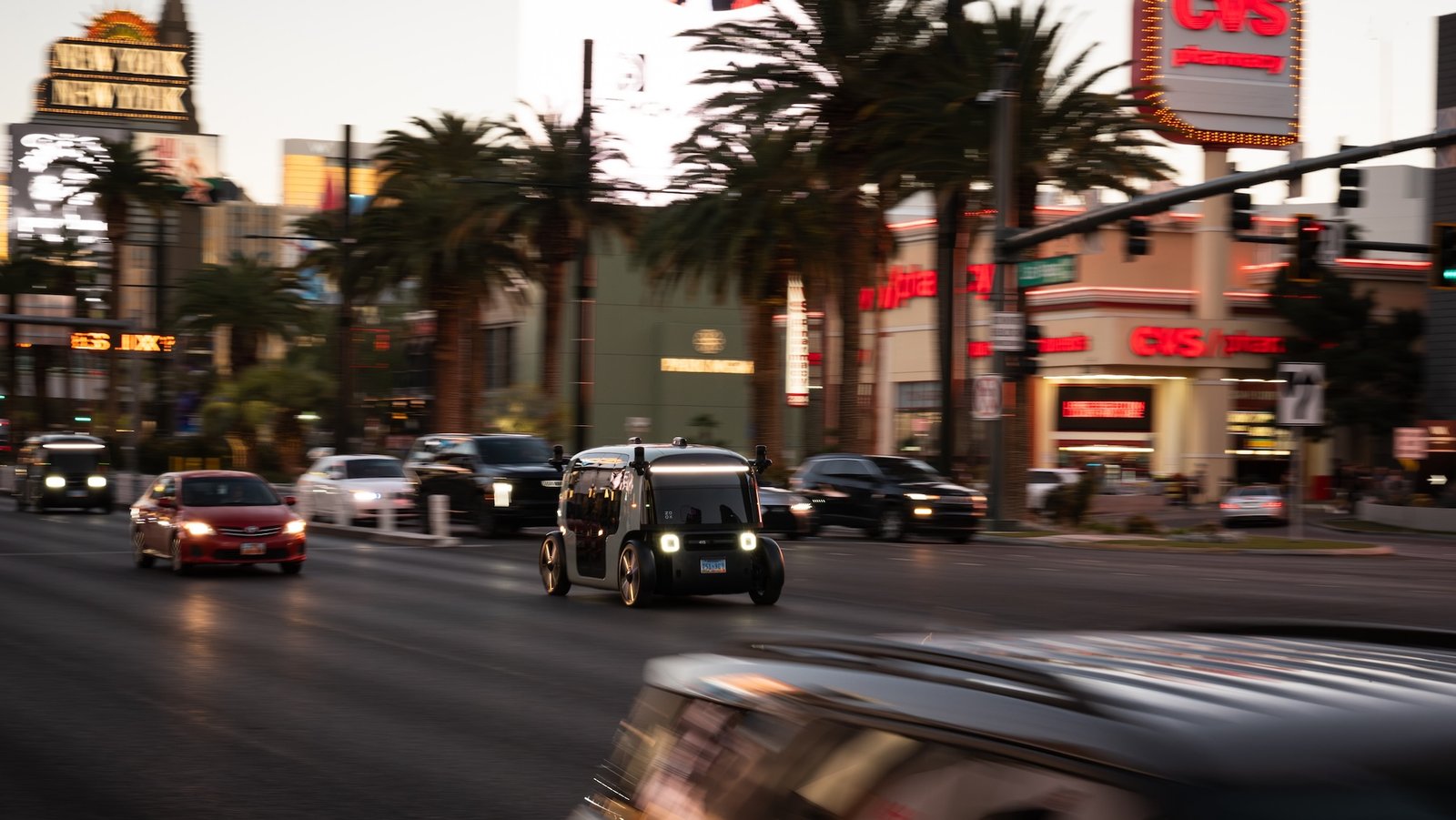
Uber riders in Britain can now sign up for a waitlist to hail robotaxis made by Wayve, the London-born autonomous driving company, according to TechCrunch, and the opening of that list turned the British capital into the first real three-way competition among the world’s leading driverless car players. Waymo, the Alphabet-owned pioneer, is already testing its vehicles on London streets. The two, plus the platform that carries them, are about to fight over the same passengers.
The list is the small print of a large strategy. Uber is not building its own self-driving car anymore; it sold its autonomous vehicle unit in 2020 and has spent the years since building a platform that can carry anyone’s robotaxi. Wayve is the first partner in London, and the interest list lets Uber measure demand before it commits to a fleet. The company that once tried to own the technology is now renting it out to whoever builds it best.
Wayve brings a different pedigree to the contest. The company was founded in London in 2017 by researchers who believed that self-driving systems should learn from data the way humans learn from experience, rather than follow the hand-written rules of earlier approaches. Its software has been validated on British roads for years, and its partnerships with ride-hailing and logistics companies give it a path to deployment that does not require building a car factory.
Waymo arrives with the longest track record in the industry. The company has operated commercial robotaxi services in several American cities, logged millions of miles of driverless driving, and built the operational playbook for what happens when a robotaxi needs a human to intervene. London is its first serious European test, and the city’s narrow streets, aggressive roundabouts and left-hand traffic will stress-test a system trained mostly on American roads.
The stakes for the three companies are different. For Wayve, London is home turf, and losing to an American rival in the city where the company was founded would be a wound to its brand as much as its business. For Waymo, London is the beachhead for Europe, the largest contiguous market of wealthy, dense cities where robotaxis make economic sense. For Uber, the contest is about the platform: the company that controls the hailing app controls the customer relationship, whoever supplies the car.
Uber’s arc is the strangest of the three. The company spent billions trying to build its own self-driving cars, concluded the work was too hard and too expensive, and sold the division to Aurora in 2020 in a deal that many read as surrender. The platform strategy that followed, in which Uber provides the riders, the routing and the payment while partners provide the cars, has turned the retreat into a position of strength: Uber can now host Waymo in some cities and Wayve in others, and let the best technology win on its own network.
London’s regulator is watching with unusual care. Transport for London has been cautious with autonomous vehicles, and the city’s density means any accident will be visible to millions of people and every news organization in the world. The permitting process for robotaxi fleets is expected to be gradual, and the companies are positioning for a rollout that could take years rather than a single dramatic launch.
The economics of the three-way market are still being written. Robotaxi operators must cover the cost of the vehicle, the sensor suite, the software development and the remote-supervision teams that monitor every ride, and London’s congestion charge and parking costs add another layer. The companies have not said what fares will look like, but the race will come down to the same equation every ride-hailing market has faced: cost per mile, availability and trust.
There is a history of these battles going badly. The robotaxi industry has burned through billions of dollars, suffered high-profile accidents and retreated from cities it once promised to serve, and every operator has learned that the gap between a working demo and a profitable service is wide. London’s market will test whether the technology has crossed that gap, and the three-way competition guarantees that the testing will be public.
The waitlist that opened this week is the first concrete step. Uber has not said how many people have signed up, but the interest list gives the company a read on demand before it commits capital, and the partners a sense of what London wants. The fight that follows will determine which company owns the European robotaxi market, and it will be fought, fittingly, in the city where the black cab has been the symbol of urban transport for a century.