Inside OpenAI, the pricing spreadsheet has become a subject of near-daily debate. Executives are weighing steep cuts to the price of tokens, the units of text the company’s models process, to defend market share as rivals undercut on cost, according to people familiar with the matter.
Chief Executive Sam Altman has told staff that cost is now “a huge problem,” the people said, a remark that cuts both ways: OpenAI must spend heavily on computing to stay ahead, and it must price low enough to keep customers from leaving. The company declined to comment on pricing plans.
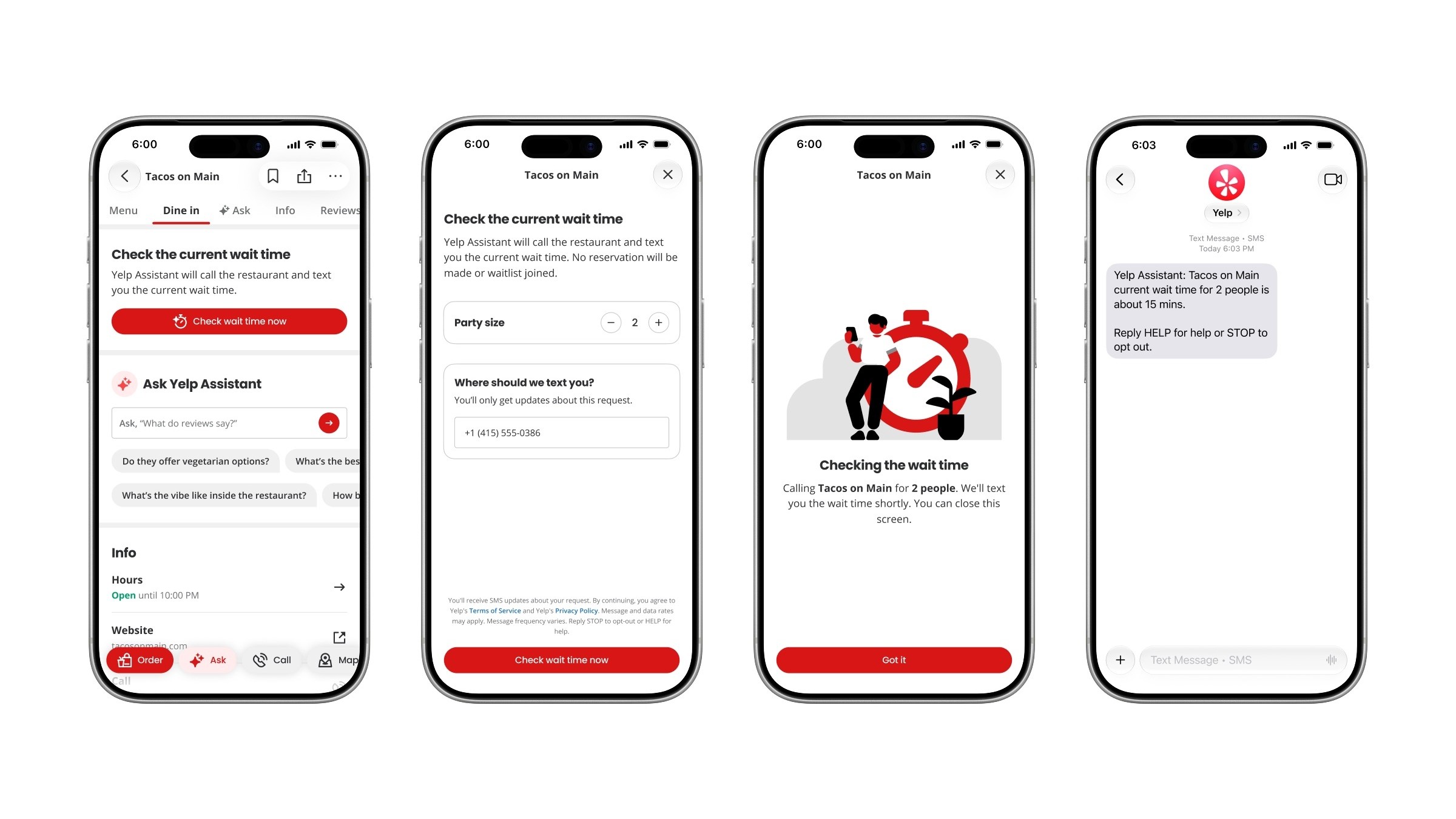
The competitive pressure is visible in the consumer tier. Google has cut the monthly price of its AI Plus subscription to $4.99 from $7.99 and doubled included storage to 400 gigabytes, an aggressive move aimed at the casual users who form the base of the market. The cut came without warning, and rival product teams scrambled to match it.
The three companies at the center of the fight, OpenAI, Google and Anthropic, are all moving toward public markets, and the price war is partly a land grab ahead of that moment: scale wins, margins come later. Investors in the companies say the calculus is straightforward: the winner is the one that converts the largest share of developer traffic before pricing pressure forces consolidation.
The economics of a token-price cut are unforgiving. Inference costs, the computing needed to generate each answer, have fallen sharply as hardware improves, but they remain the largest single cost in the business. Every 10% price cut must be matched by 10% more volume or 10% less cost, and analysts estimate OpenAI’s inference bill already runs into the billions of dollars a year.
History suggests the playbook works. OpenAI has cut API prices repeatedly since 2023, each time betting that cheaper tokens expand the market faster than they shrink revenue per customer, and so far the bet has held: developer usage has grown each quarter. The question is whether the strategy keeps working as the base of customers grows more price-sensitive.
The risk is that the war becomes a race to the bottom before the technology is cheap enough to win it. Anthropic has kept prices roughly stable, betting on quality and enterprise relationships, and its new partnership with Tata Consultancy Services suggests it prefers distribution deals to discounting. Google, with a captive cloud business, can subsidize its models for longer than any startup, a structural advantage investors cite when valuing the race.
For enterprises, the cuts arrive as buyers grow more sophisticated. Procurement teams now benchmark models across labs on price per useful answer rather than raw token counts, and contracts are shifting toward consumption-based pricing that lets customers switch suppliers quickly. That discipline is new, and it compresses the pricing power every lab assumed it had.
Wall Street’s read is that margins at the model companies will stay thin for longer than bulls hoped. The IPO pitch has quietly shifted from frontier models commanding premium prices to scale and distribution winning in the end, according to analysts who follow the private markets, and the price cuts are evidence that the pitch changed because the reality changed first.
Inside the labs, the response is to cut cost rather than just price. OpenAI is pushing its own chip efforts and negotiating harder with cloud providers, Google designs its own accelerators, and Anthropic has signed multiyear compute deals at fixed rates. All three are chasing the same thing: a cost curve that falls faster than prices.
Developer behavior reinforces the trend. Builders who once committed to a single model now route requests across providers, sending each task to the cheapest adequate model, and pricing teams at the labs have begun watching routing software the way retailers watch foot traffic. A model that is 10% cheaper can win a routing slot; one that is 10% slower to respond loses it.
The consumer side is a separate battlefield. Subscription prices at the big labs have drifted down even as features multiply, and the bundling of storage, video generation and agent tools into single plans has blurred the line between an AI product and a cloud product. Google’s storage move was aimed squarely at that blur.
None of the three companies says the war will end soon. Executives at each have described pricing as a weapon to be deployed when rivals gain traction, and the IPO window gives all three a reason to show growth numbers that discounts can buy. The price war is really a scale war fought with a spreadsheet.
Altman’s “huge problem” is the industry’s problem now. Intelligence is getting cheaper on purpose, and the companies that built it are racing to be the ones that survive their own discounts.