Anthropic executives got the word by phone on a weekday morning: the United States government was directing the company to take its two most powerful artificial-intelligence models offline, everywhere, at once.
The order covers Claude Mythos 5 and Claude Fable 5. Mythos 5, a research system that can identify security vulnerabilities in all major operating systems and browsers, has been restricted to about 50 organizations since its release. Fable 5, a guardrailed version built for commercial use, had been made available to the public only three days earlier. Amazon had just begun offering it to enterprise customers through its Bedrock platform.
Anthropic said in a statement that the government provided only “oral evidence” of what it described as a “narrow, non-universal jailbreak” against the models. The company disputed the basis for the action, arguing that the underlying capability already exists in OpenAI’s GPT-5.5 and is widely used by cybersecurity firms to find and patch flaws before criminals exploit them.
The dispute is the first time Washington has ordered a developer to shut down specific AI models, and it is a sharp reversal for a company that built its brand on caution. Anthropic has positioned itself as the safety-first lab, publishing detailed release policies and limiting access to its most capable systems. That posture won it enterprise clients and government contracts. It also, critics say, handed regulators a ready-made argument.
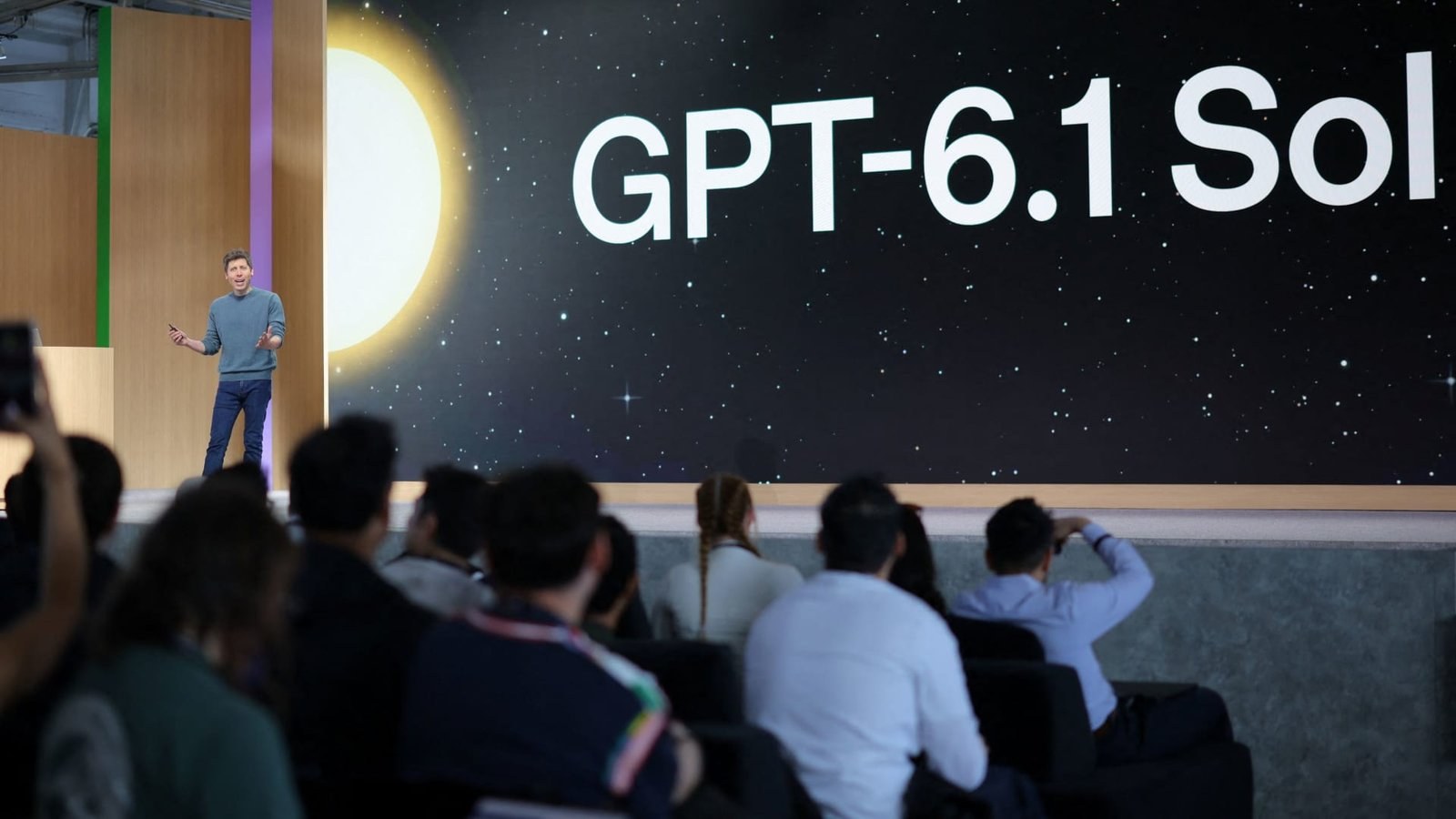
Sam Altman, chief executive of OpenAI, had warned of this outcome months before. “You spent months telling the world your AI is extremely dangerous,” he said in a public post. “The world, including the U.S. government, naturally listens.” His remarks, which drew an unusually sharp response from Anthropic at the time, now read as a prediction of exactly what happened.
The timing compounds the damage. Anthropic has been preparing an initial public offering later this year, according to people familiar with the matter, and had been briefing bankers on a safety record meant to distinguish it from rivals. A government shutdown order, even a temporary one, complicates that story.
The practical effect is uncertain. Anthropic said it is seeking technical details of the alleged vulnerability and has asked for a formal review. People familiar with the company’s thinking said it is weighing whether the order can be enforced across borders, since the models run on cloud infrastructure in multiple jurisdictions and clients in Europe and Asia have already integrated Fable 5 into their workflows.
Industry analysts said the episode changes the regulatory math for every frontier lab. A model that is too capable invites scrutiny; a model that is too cautious draws the same scrutiny from a different direction. “The government has now shown it will act on capability claims, not just on demonstrated incidents,” one analyst said. “That is a new risk for every company shipping frontier models.”
Anthropic’s relationship with Washington has been central to its strategy. The lab was founded by researchers who left OpenAI over disagreements about safety, and it has built its enterprise business on the promise of responsible deployment. It keeps an office in Washington, briefs regulators regularly, and has said publicly that it supports oversight of the most powerful models. The shutdown order cuts against that record, and people close to the company said executives were caught off guard by the speed of the decision. A government that consulted Anthropic for years on safety policy, they noted, gave the company no notice before acting. The episode has also unsettled the lab’s customers abroad, who now face questions about which models they will be allowed to run.
For Anthropic’s customers, the immediate question is continuity. Amazon, which had announced Fable 5 availability on Bedrock days earlier, said it is working with Anthropic to resolve the matter. Enterprise clients that had begun testing the model were told to expect delays.
The company’s finances remain strong. Anthropic has raised more than $160 billion in cumulative funding and sells its Claude models to thousands of businesses. The ban does not touch its older models, which continue to operate.
But the episode lands at a delicate moment. Anthropic’s valuation, like that of its rivals, rests on the assumption that frontier models will keep getting more powerful and more widely deployed. A government order that removes the two newest models from the market, even briefly, tests that assumption in public.
The order also raises questions that will outlive this dispute. If a government can take a model offline on the basis of an unverified claim, the threshold for intervention becomes a matter of interpretation rather than law, security lawyers said. Labs will face pressure to disclose capabilities earlier, and governments will face pressure to act on what they hear. The Fable 5 episode may end quietly, but the regulatory logic it introduces will shape every future release of a frontier model.
The company said it will comply while it presses its case. “We take our commitments to safety seriously, and we take our commitments to our customers seriously,” the statement said. “We are working to resolve this as quickly as possible.” For a lab that spent years arguing that safety and growth could proceed together, the week offered evidence of how quickly the two can collide.