The memo landed on June 10 with a title that did not hedge: “Next 100 Days: Xbox Reset.” In it, Microsoft’s gaming division acknowledged what executives had said privately for months — Xbox revenue is falling, and the decline has to stop.
The numbers are stark. Revenue is down nearly $500 million from the prior-year period, according to the memo, which people familiar with its contents described. “We cannot keep going like this,” the memo said. The tone was unusually direct for Microsoft, a company whose internal communications tend toward the measured.
The Xbox business has been in decline for more than a year despite more than $20 billion in spending on acquisitions and content. Microsoft bought Activision Blizzard for $69 billion in 2023, the largest deal in gaming history, and has poured additional money into studios, cloud gaming and Game Pass subscriptions. Revenue has still contracted, and the division’s strategy chief told colleagues that “crisis is the correct word” for the situation, according to people familiar with the discussions.
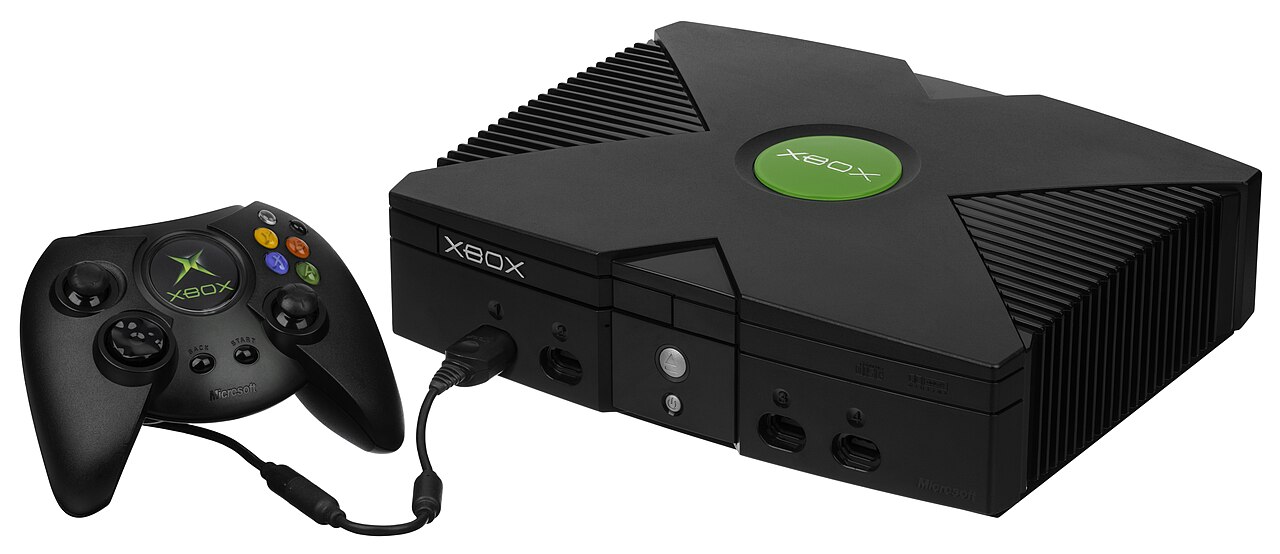
Part of the problem is hardware. Microsoft has been preparing a next-generation console and a project code-named Helix, which executives describe as a new approach to the living-room device. Both have been delayed by component shortages — most acutely, the price of memory, which has surged as AI data centers and chip makers compete for the same DRAM and HBM supply. A console needs gigabytes of memory; the AI boom has made that memory expensive and hard to secure.
The memory squeeze is an unusual problem for a company the size of Microsoft, which buys components in volumes that usually command priority. But memory suppliers are allocating capacity to AI customers willing to pay premiums, and console makers are finding themselves at the back of the line. People familiar with Xbox supply plans said the division has been told to expect elevated costs through next year.
The strategic question is deeper than supply. Xbox has spent the past two years repositioning itself as a platform rather than a hardware maker — selling games everywhere, including on rival consoles, and pushing Game Pass as the center of the business. That strategy has grown subscribers but has not replaced the revenue that console sales once generated, and it has blurred the reasons for customers to buy Xbox hardware at all.
The Reset memo lays out a 100-day plan focused on the basics: stabilizing hardware supply, fixing the storefront experience, and communicating more clearly with players about the company’s roadmap. Executives have also discussed pricing changes for Game Pass and a renewed push into mobile gaming, an area Microsoft has long identified as its biggest gap.
Microsoft’s own history frames the stakes. The company’s last great consumer franchise, Windows, was built on a partnership between hardware and software that Xbox was meant to replicate in games. The division has been reorganized repeatedly, from the original console team to the Activision integration, and each reorganization was billed as a fresh start. The Reset memo is the latest in that line, and people familiar with Xbox’s plans said executives are under pressure to show results before the company’s next planning cycle. The division’s leadership has also discussed whether to keep building dedicated consoles at all, an option that would amount to a historic retreat from the hardware business Microsoft helped define.
The challenges are compounded by the broader software market’s focus on AI. Microsoft’s corporate leadership has made AI the company’s defining investment, and gaming — once a flagship consumer business — now competes for attention and capital with data centers and Copilot subscriptions. Some Xbox executives have complained internally that the division lacks the resources it needs at a moment when the company’s priorities lie elsewhere.
The industry context offers little relief. Console sales across the sector have slowed as the current generation of hardware ages, and subscription gaming has matured after years of rapid growth. The market’s center of gravity is shifting to mobile and to free-to-play titles, neither of which is an Xbox strength.
Analysts said the Reset plan will be judged on two questions: whether the next-generation console ships on time with a price that does not sink demand, and whether the company can show that the Activision acquisition is producing returns beyond the balance sheet. Neither answer is likely to come quickly, and the 100-day window the memo promises will end before either is clear.
Microsoft’s stock, meanwhile, trades on AI expectations, and the gaming division’s struggles barely move it. The mismatch between the urgency inside Xbox and the indifference of the broader market captures the division’s predicament: a once-central consumer business, still burning billions, now fighting for relevance inside a company whose future it no longer defines.