The rally that swept global markets Monday ran first through a cluster of companies that most Americans cannot name. Memory-chip makers surged across the board: Western Digital jumped 13%, SanDisk rose 10%, Micron Technology gained 8% and Seagate Technology climbed 9%, as the U.S.-Iran accord on the Strait of Hormuz removed a geopolitical overhang from a sector that had already been the year’s biggest winner.
The move was a catalyst, not a cause. According to analysts at 247WallSt, the memory stocks had already returned more than 150% in 2026, powered by demand for the high-bandwidth memory that feeds AI data centers. The Iran deal simply removed the reason to hesitate, and the sector responded the way it always does when the macro picture clears: it went up, hard.
Morningstar analysts said the sector’s rebound had returned in full force on the back of the two geopolitical developments, a reference to the Hormuz accord and the broader easing of tensions that followed. For a group of companies that had spent the year climbing on fundamentals, the news was a permission slip rather than a new story.
The background explains the sensitivity. Memory chips were long the most cyclical business in technology: booms followed by brutal busts, with prices swinging more than any other component in the industry. The 2022 downturn wiped out most of the sector’s value, and the recovery that followed was led not by the usual inventory cycle but by artificial intelligence, which consumes memory at a scale no one had modeled.
Investors and analysts argue that this cycle is different. AI data centers need high-bandwidth memory in quantities that the industry has never produced, and the three companies that make most of the world’s DRAM and NAND have kept supply disciplined. The result is a shortage that has pushed prices up for more than a year, and the stocks have followed. The question that has divided the Street is how long the shortage lasts.
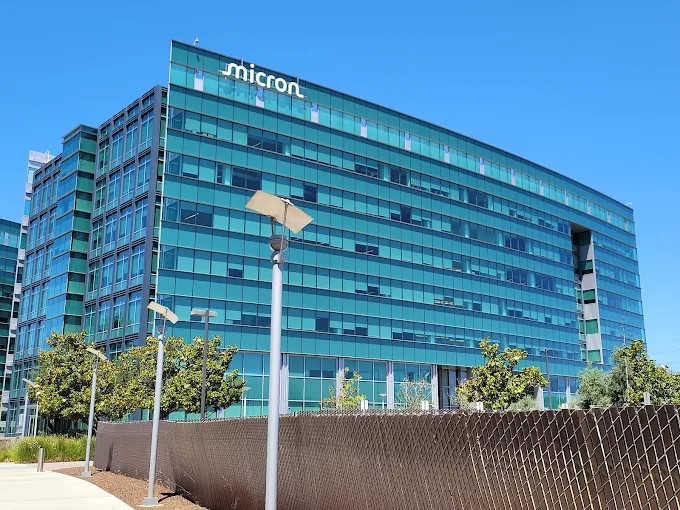
Micron is the purest expression of the trade. The company is the primary U.S. supplier of high-bandwidth memory to AI chip makers, and its earnings have swung from deep losses to record profits as the shortage took hold. Western Digital and SanDisk, which separated into independent companies last year, ride the same wave on the NAND side, while Seagate’s hard-disk drives have found new life storing the torrent of data that AI systems generate.
Monday’s gains were broad, but the pattern within the sector was telling. The biggest movers were the most exposed to memory pricing, which is to say the most cyclical names, and the fact that they led the rally suggests investors were treating the Iran accord as a reason to own more of the riskiest exposure, not less.
Valuations are the obvious objection. Stocks that have already tripled in a year are priced for the shortage to continue, and any sign of demand softening or supply returning would hit them hard. Inventory data and memory pricing will matter more than headlines in the coming months, and the companies themselves have been careful to frame their guidance around sustainability rather than spikes.
Morningstar’s framing captures the bull case: the memory industry is in the middle of a transition from cyclical to structural growth, with AI demand doing for memory what smartphones did for it a decade ago. The skeptics’ counter is equally familiar: every memory boom has ended with oversupply, and the history of the industry is a graveyard of companies that believed the cycle was over.
The supply picture explains why the sector has become a favorite of momentum investors and a headache for short sellers. DRAM and NAND production is concentrated among three companies, Micron, Samsung and SK Hynix, and all three have kept capacity tight, preferring to let prices rise than to chase volume. The discipline is new for an industry that spent decades flooding the market in good times, and it is a large part of why this cycle has lasted longer than its predecessors.
The demand side is equally unusual. An AI training cluster consumes memory in quantities that dwarf traditional servers, and every new data center announcement adds to a backlog that suppliers say stretches years into the future. Enterprise customers who once negotiated annual memory contracts are now signing multi-year deals just to guarantee supply, according to industry executives, a shift that has turned a commodity business into something closer to a subscription.
The immediate test is pricing data, which will show whether the rally is built on fundamentals or on momentum. The companies’ next earnings reports will provide the numbers, and investors will be watching the same metrics that have driven the stocks all year: prices, supply and the order books that sit between them.
For now, the market is on the bulls’ side. The Iran accord gave the sector an excuse to run, and it took it, adding another chapter to a rally that has already made memory chips the best trade of 2026. The test comes when the headlines stop, and the only thing left to trade is the price of a commodity that has never stayed high for long.