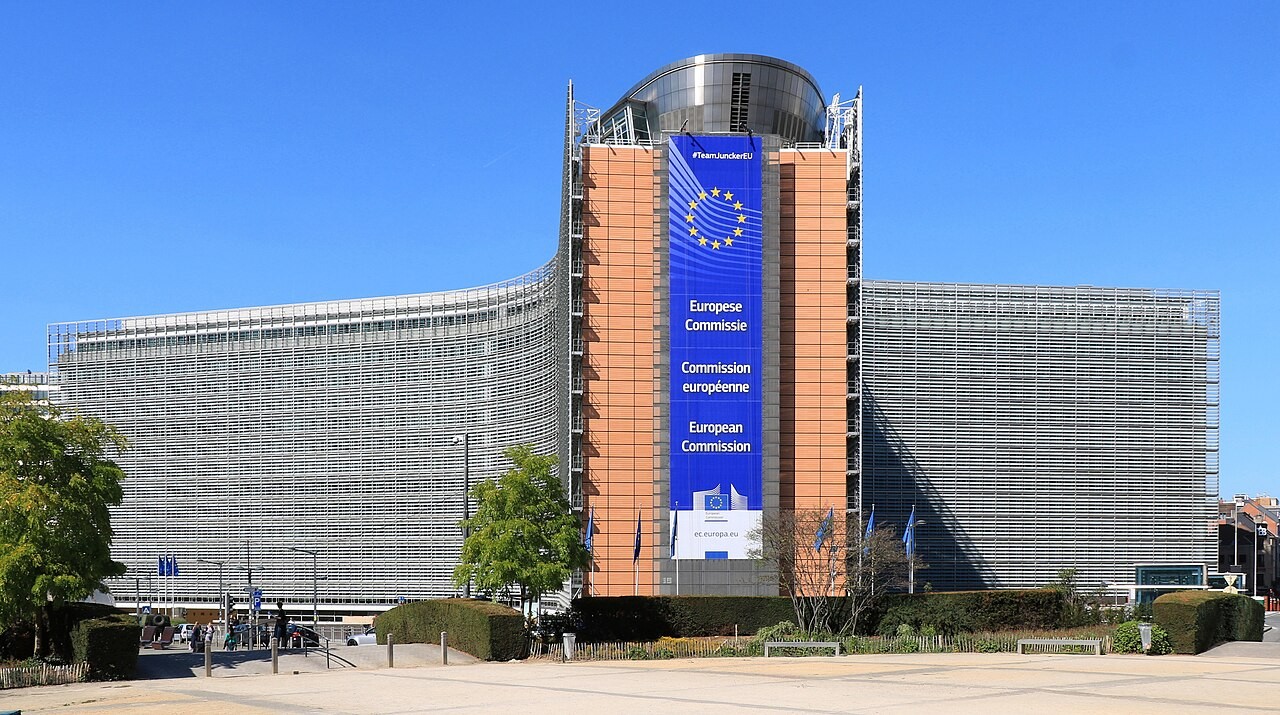
The ruling arrived in Brussels on a Friday and landed in Palo Alto before the weekend. The European Commission, acting under the Digital Markets Act, found that Meta had breached competition rules by restricting how rival AI chatbots can reach WhatsApp users, and ordered the company to restore free access for those services immediately. The decision is the first of its kind to take on how the world’s largest messaging platforms distribute AI assistants.
The dispute dates to Meta’s integration of its own assistant, Meta AI, into WhatsApp, Messenger and Instagram. Under the DMA, platforms designated as gatekeepers must allow third-party services to interoperate with their core functions, and Meta had argued that AI chatbots were a new product category not covered by the interoperability obligations. The Commission disagreed, concluding that the messaging giant had used its position in chat to steer users toward its own AI while making life difficult for rivals.
The order requires WhatsApp to give competing chatbots the same free access that Meta AI enjoys, including the ability to appear in conversations and receive messages from users. A Commission official said the decision was designed to restore the competitive process, not to pick winners, and that Meta retains freedom to design its products as long as access is non-discriminatory.
Meta said it will comply while preparing to appeal. The company argued in its response that the ruling conflates two different markets — messaging and AI — and that forcing interoperability with chatbots undermines the security architecture of end-to-end encryption, a concern the company has raised since the DMA’s drafting. Privacy advocates offered partial support for that position, noting that third-party bots interacting with encrypted chats raise questions about who can read what, and where.
The financial stakes are significant. The DMA empowers the Commission to fine gatekeepers up to 10% of global revenue for violations, and repeat offenders face up to 20%. Meta, whose advertising business depends on the engagement that flows through its messaging apps, has been in the Commission’s sights before: it has already been fined under the DMA’s predecessor regime for competition abuses, and it has a running dispute with Brussels over data practices.
The ruling’s real significance, competition lawyers said, is what it says about AI distribution. The world’s most-used software — messaging apps, operating systems, browsers — is becoming the storefront for AI assistants, and whoever controls those storefronts can shape which assistants succeed. The Commission’s decision draws a line: a gatekeeper cannot use its messaging monopoly to hand the AI market to its own product.
For the companies that build rival assistants, the order is an opening. Google’s Gemini, Microsoft’s Copilot, and a field of startups have all sought access to WhatsApp’s user base, and the ruling forces Meta to provide it at no charge. Analysts said the practical effect may be modest at first — users must actively choose to add a third-party bot — but that the precedent matters more than the immediate traffic.
The case also tests the DMA’s machinery at a moment when Brussels is under pressure from all sides. American technology companies have complained that the law singles them out, while European startups have argued it has not yet produced the competition it promised. A decisive ruling against Meta, enforced quickly, gives the Commission a demonstration that the regime works — provided the appeal courts uphold it.
The timeline is now the question. The Commission has said it will monitor compliance closely and has the power to impose daily fines if Meta drags its feet. Meta, for its part, has signaled it will use every procedural step available. In practice, lawyers said, the company will likely restore some form of third-party bot access promptly while fighting the underlying interpretation in the European courts, a sequence familiar from previous DMA cases.
The dispute fits a pattern. Meta has been the most frequent target of the DMA’s enforcement, having been fined €797 million in 2024 over its ‘pay or consent’ model for ad-free accounts, a decision the company appealed while changing the product. The new ruling extends that adversarial relationship into AI, where Meta’s strategy of embedding assistants into its messaging apps gives it a distribution advantage that European rivals have repeatedly complained about. The Commission’s legal theory rests on the DMA’s interoperability provisions, which were written before AI assistants existed and which Brussels is now interpreting to cover them. Whether that interpretation survives the appeals process is one of the most closely watched questions in European technology law.
For now, the order stands: WhatsApp must open its doors to rival chatbots, free of charge, and Meta must prove its compliance within a timetable the Commission controls. The decision turns a technical argument about messaging APIs into a precedent about the future of AI commerce — and it puts every other gatekeeper with an AI assistant on notice that the same logic will be applied to them.