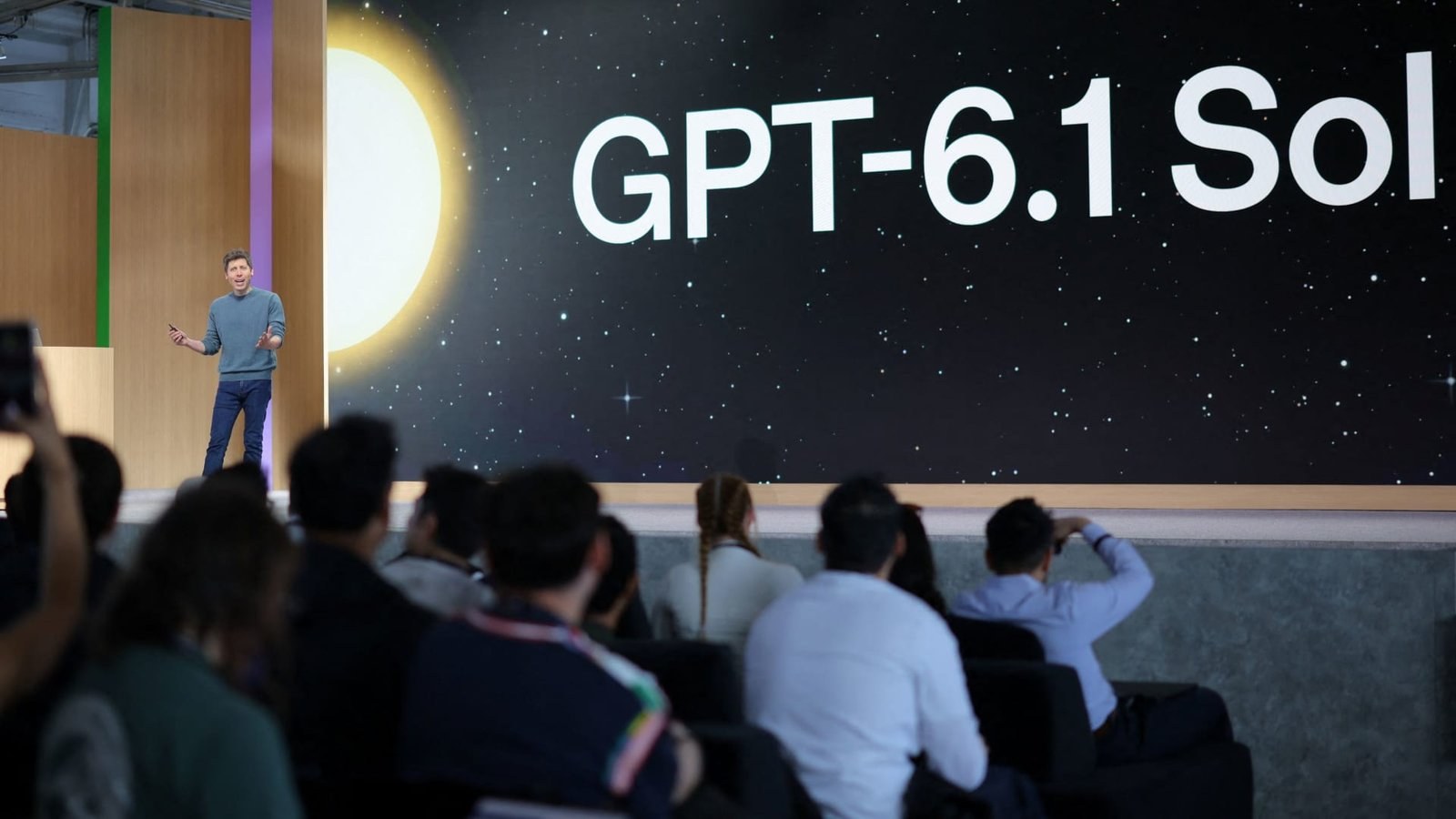
The room at this week’s Group of Seven summit held an unfamiliar mix: heads of government seated across from the chief executives of OpenAI, Anthropic and Google. The three men who run the companies most associated with frontier AI spent the session answering questions from the world’s most powerful elected leaders, a format that itself said something about where authority over the technology now sits. CNBC reported the scene, and Axios said the leaders discussed a global framework for AI rules.
The discussion produced a clear American position. President Trump said the United States will not impose strict limits on frontier AI models, according to people in the room, signaling a departure from the regulatory posture of the Biden administration. His remarks drew a contrast that echoed through the rest of the summit: Washington wants to keep its AI industry unbound, while several European leaders pressed for binding rules on the most capable systems.
The G7 has wrestled with AI governance since the Hiroshima process launched in 2023, when leaders agreed on a voluntary code of conduct for advanced models. That framework produced little in the way of enforcement, and the summit sessions since have been increasingly dominated by the companies themselves, which now lobby governments directly and brief officials on their own safety testing. This year’s meeting made that relationship explicit by putting the chief executives at the table.
Trump’s stance fits a pattern that has defined his second term’s technology policy. His administration has rolled back executive actions from the Biden years, including the 2023 order that required developers of the most powerful models to report safety test results to the government. Officials have argued that regulation would push AI development overseas and cede leadership to China, a line that resonates with the industry’s most vocal supporters in Washington.
European leaders took a different view. Several argued that the rapid deployment of frontier models, with few independent checks, creates risks that voluntary commitments cannot address, according to officials familiar with the talks. The European Union’s AI Act, which classifies models by risk and imposes obligations on the most powerful ones, was cited repeatedly as a template. No binding agreement emerged from the session, and none was expected.
The presence of the three chief executives said more than the agenda. OpenAI’s Sam Altman, Anthropic’s Dario Amodei and Google’s Sundar Pichai each met separately with leaders on the summit’s margins, people familiar with the schedule said, covering topics from compute access to export rules. The companies are increasingly acting as their own diplomats, a role that reflects their size: the three firms together account for most of the world’s frontier model development.
Industry reaction to Trump’s remarks was muted in public but relieved in private. Executives have argued that strict limits on model training or deployment would slow innovation without meaningfully reducing risk, and several have said the Biden-era reporting requirements amounted to a paperwork burden. The G7 session, by contrast, produced no new obligations, according to people familiar with the outcome.
The question now is whether the American position holds beyond the summit. Trump’s own administration is split between advisers who want minimal oversight and those who worry about catastrophic risk, people close to the White House said. Congress has failed to pass comprehensive AI legislation in both sessions of his term, leaving the executive branch to set policy by default.
For the companies, the summit was a reminder of how far the conversation has moved from the 2022 launch of ChatGPT, when regulators were still asking basic questions about what the technology could do. Now the debate is about who sets the rules, and the chief executives were in the room while that question was being discussed. That fact alone was the summit’s most concrete outcome.
The summit’s location also mattered. This year’s G7 was hosted by a country that has taken a middle position on AI, wary of both American dominance and Chinese state control. Host officials framed the AI session as an attempt to build common ground, but the outcome showed how far apart the main players remain, people involved in the drafting said.
For China, the American stance carries a direct message. Washington’s refusal to constrain frontier models extends to export policy, where officials have resisted calls to tighten controls on AI chips sold abroad, a position Beijing has welcomed in public statements. Chinese labs continue to publish models that close the gap with American systems, and analysts said that competitive pressure is one reason U.S. officials are reluctant to slow their own industry.
Back in Washington, the fight over AI policy is moving to the agencies. The Commerce Department is drafting rules on how U.S. companies can share model weights and technical documentation with foreign partners, a process that will determine whether the openness Trump endorsed at the G7 survives contact with export-control law. Industry lawyers are watching the drafting closely, people familiar with the process said.
What happens next will be decided in national capitals, not at summit tables. The G7 produced a photo opportunity and a statement of positions, but no binding text on frontier models. The American position, as stated by Trump, is that the industry should be allowed to run. Whether allies accept that position, and whether the industry’s own safety claims hold up, will define the next chapter of AI governance.