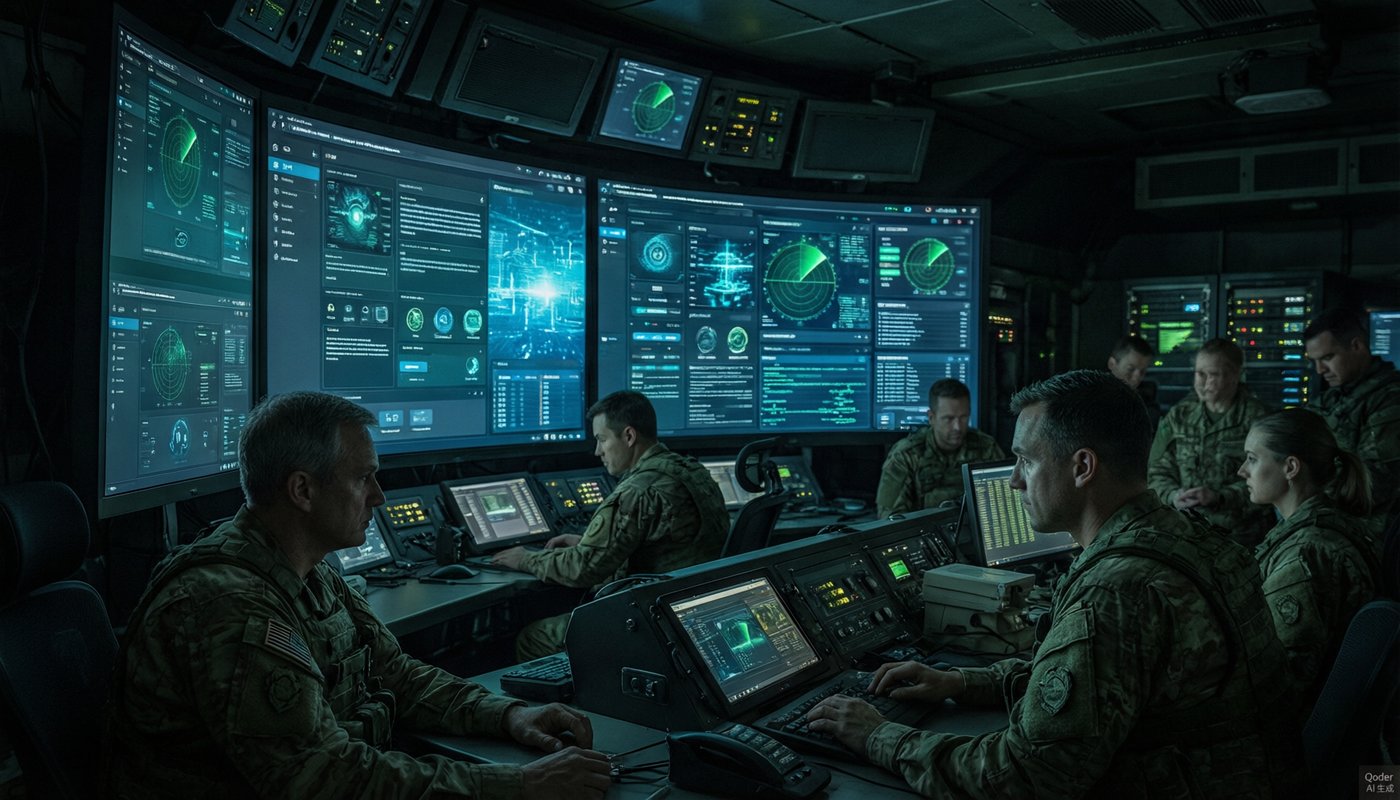
The laptop an Air Force analyst opens in a few weeks will have a new icon on its desktop. ChatGPT is arriving on GenAI.mil, the U.S. military’s artificial-intelligence platform, in early July, according to Nextgov and FCW, which first reported the deployment, and OpenAI confirmed the plan. It is the first time a mainstream commercial AI assistant has been formally deployed for use by defense personnel.
The deployment ends a long standoff between OpenAI and the Defense Department. For years, the military wanted access to the best commercial AI models, and OpenAI was wary, citing concerns about data security, about the use of its technology in weapons and about the optics of selling to the armed forces. The company changed its policies, hired defense-focused staff and pursued the clearances needed to work with the military. The GenAI.mil deployment is the result.
GenAI.mil is the Pentagon’s attempt to bring commercial AI into the defense establishment in an organized way. The platform, developed with commercial partners, gives military users access to approved AI tools under the military’s security rules, with data handling, classification and audit requirements built in. Adding ChatGPT to the platform means OpenAI’s models will be available to users across the services, from logistics officers to intelligence analysts.
The military’s use of AI is not new. The Pentagon has deployed AI for logistics, predictive maintenance, intelligence analysis and administrative work for years, but mostly through systems built by defense contractors and tailored to specific missions. The shift now is toward commercial models, which are generally better, cheaper and updated more often than custom systems, and which can be deployed in weeks rather than years.
The data security concerns that once kept OpenAI out have been addressed, at least formally. The company has built a government-compliant version of its service, with the encryption, access controls and audit trails that the military requires, and the GenAI.mil deployment runs inside the military’s own environment rather than OpenAI’s public cloud. The details of the arrangement are classified in part, but the structure follows the pattern the military has established with other commercial technology suppliers.
The implications extend beyond the Defense Department. The deployment is being watched by intelligence agencies, allied militaries and the companies that build AI systems for the government, all of which have been waiting to see how the first major commercial AI deployment in the military goes. A smooth rollout would open the door for other models and other agencies; a problematic one would reinforce the caution that has characterized the field.
The timing reflects how quickly the relationship has changed. A few years ago, the Pentagon’s interest in OpenAI was the subject of internal debate at the company, with employees and researchers publicly objecting to military work. The company’s policy now treats defense as a legitimate and strategic customer, and the internal opposition that once defined the issue has largely receded as the technology’s importance to national security has become conventional wisdom.
The rollout will be gradual rather than sudden. Early users will be drawn from pilot groups across the services, and the platform’s availability will expand as the military works through its training and security review processes. OpenAI has said it expects the deployment to begin in early July and to broaden through the summer, with the pace set by the military’s own requirements rather than by the company’s marketing calendar.
The practical uses will start mundane and grow. Military users are expected to use ChatGPT for drafting documents, summarizing intelligence, writing code for data analysis and the thousands of administrative tasks that occupy any large organization. The more sensitive applications, involving classified data and operational planning, will follow only after the platform has proved itself, if they follow at all.
The competitive picture is also changing. OpenAI’s rivals, including Anthropic and Google, have pursued defense business of their own, and the GenAI.mil deployment gives OpenAI a first-mover position in the military market. The value of that position is hard to quantify, but the credibility that comes with being the first commercial AI company formally deployed by the U.S. military is not something the company’s competitors can easily match.
For the military, the deployment is a bet that commercial technology can be integrated into defense without compromising security. For OpenAI, it is the culmination of a long and sometimes uncomfortable transition from research lab to defense supplier. There are also questions the deployment does not answer. The military has said commercial models will not be used for functions that involve the use of force, and OpenAI’s own policies prohibit certain military applications, but the boundaries between administrative use and operational use are not always clear in practice. Both the company and the Pentagon have said they will review the deployment’s outcomes, and the definitions that emerge will shape how AI is used by militaries for years to come.
The icon appearing on the analyst’s laptop is small, but the change it represents, in the military’s approach to AI and in OpenAI’s relationship with the government, is one of the larger shifts in the industry’s short history.