
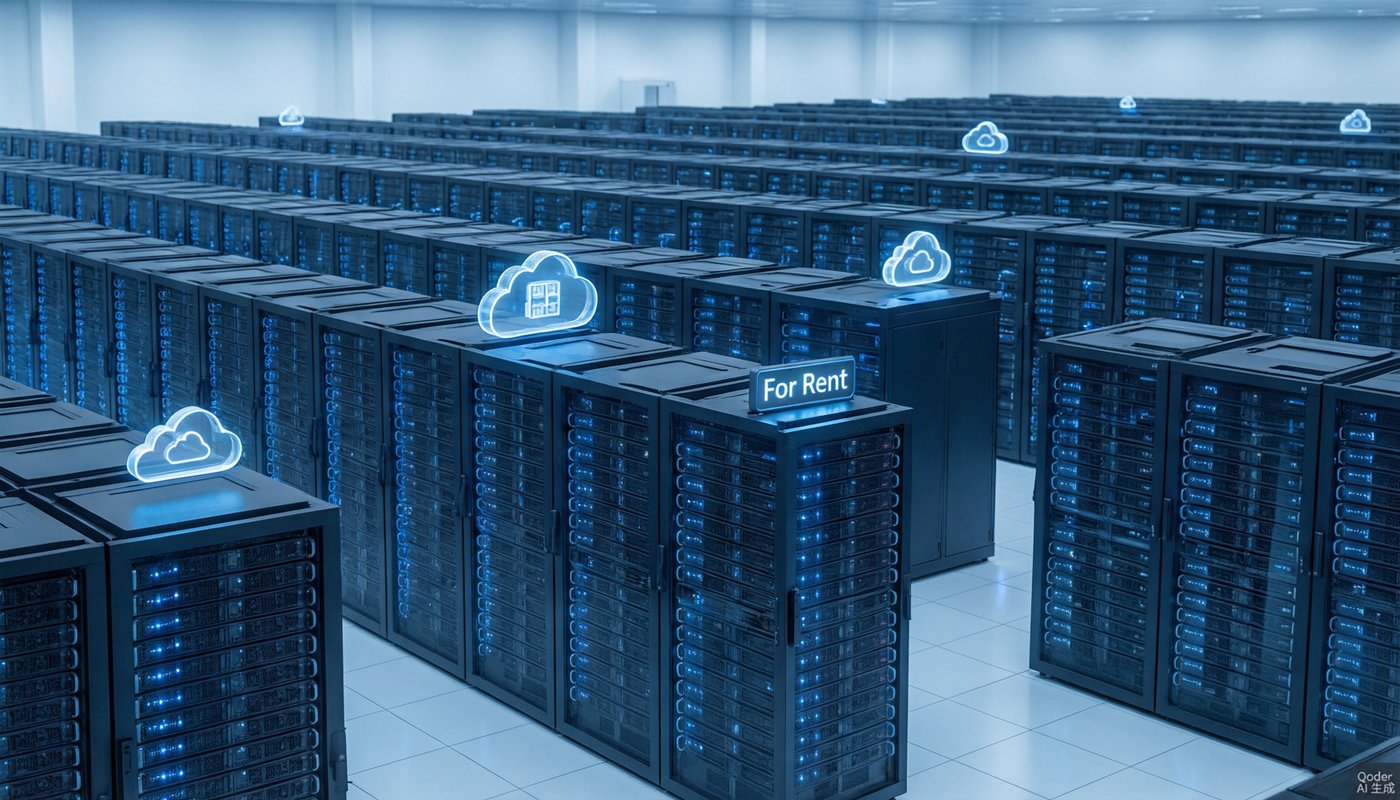
The data centers Meta has been throwing up across the American plains were built for one purpose: running the models behind Facebook, Instagram and WhatsApp. But the servers in those buildings are not always busy, and Meta, which has spent tens of billions of dollars on AI infrastructure, has decided the idle capacity should earn its keep. The company is building a cloud business to rent out surplus computing to outside customers, according to people familiar with the plans.
Bloomberg reported the move on June 29, and investors liked what they heard. Meta’s shares rose more than 4 percent in New York trading, closing up more than 4 percent, as the market absorbed the idea that the company’s enormous infrastructure spending could produce a new revenue stream rather than remaining a pure cost.
The plan would turn Meta from a consumer of AI computing into a supplier, a transition that few companies have attempted and none has completed at Meta’s scale. The company’s data center investment is now comparable in size to what Amazon Web Services and Microsoft Azure spend, but its utilization is far lower, because Meta builds capacity for its own peak needs and its own products are not running around the clock.
The economics are the argument for the move. A data center that sits half-empty is a drag on margins; renting out the spare capacity turns a fixed cost into a variable revenue line. The cloud market is also the most reliable growth story in technology, with companies like AWS and Azure growing steadily even in a mixed economy. Meta has the hardware, the networking and the operational expertise; what it lacks is the sales culture.
That last gap is the biggest one. Cloud computing is as much a relationship business as an infrastructure business, and the companies that win it, Amazon, Microsoft, Google, have spent decades building sales organizations, compliance certifications and partner ecosystems. Meta has none of that history. Its customers have been advertisers and app developers, not corporate IT departments.
The company has a head start in one area: model hosting. Meta’s open-source Llama models have become a standard for companies building their own AI applications, and much of that work already runs on third-party clouds. Renting Meta’s own infrastructure to the same users is a natural extension, and the company has said little publicly about its cloud plans, which suggests it is still deciding how far to go.
The competitive response from the established clouds is predictable. AWS and Azure have spent years winning customers with pricing, features and reliability, and they will not cede ground to a newcomer whose main advantage is spare capacity. Meta would likely have to compete on price, which would put pressure on margins, or differentiate with its models and its scale in open-source AI.
The internal debate, according to people familiar with it, has been running for months, with engineers arguing that spare capacity should be sold and executives cautioning that a half-hearted cloud would damage Meta’s brand with the enterprise buyers it might need later. The decision to proceed appears to have been made recently, and the company has been quietly hiring engineers with cloud operations experience, the kind of people AWS and Azure train and Meta has never needed before.
There is also a strategic question about why Meta is doing this now. The company’s advertising business remains highly profitable, and its AI investments have been justified by improvements to ad targeting and content recommendation. Renting out capacity is a different business with different risks, and some analysts said the move could distract management from the products that made Meta valuable in the first place.
The stock reaction suggests the market is willing to hear the story. Meta shares have recovered from the depths of its AI spending spree, and investors have been looking for evidence that the billions of dollars going into data centers will produce returns. A cloud business, even one that starts small, offers that evidence in a form the market understands: revenue, customers and a path to margins.
For the cloud industry, the entry of Meta would be the most significant competitive change in years. The market has consolidated around three providers, and a fourth with deep pockets and its own model portfolio would shake up pricing and force the incumbents to respond. There are precedents for a social-media company entering cloud computing, and they are not encouraging. Snap and Twitter both experimented with selling infrastructure to developers in their early years and retreated. But those companies lacked Meta’s capital and its control over models that developers actually use. The combination of spare capacity and a popular open-source model family is what makes this attempt different, and it is why the incumbents are watching closely rather than dismissing the idea.
Whether Meta has the patience to build a cloud business, which takes years, is the question. The company has shown it can move fast when it wants to; the cloud demands the opposite.



