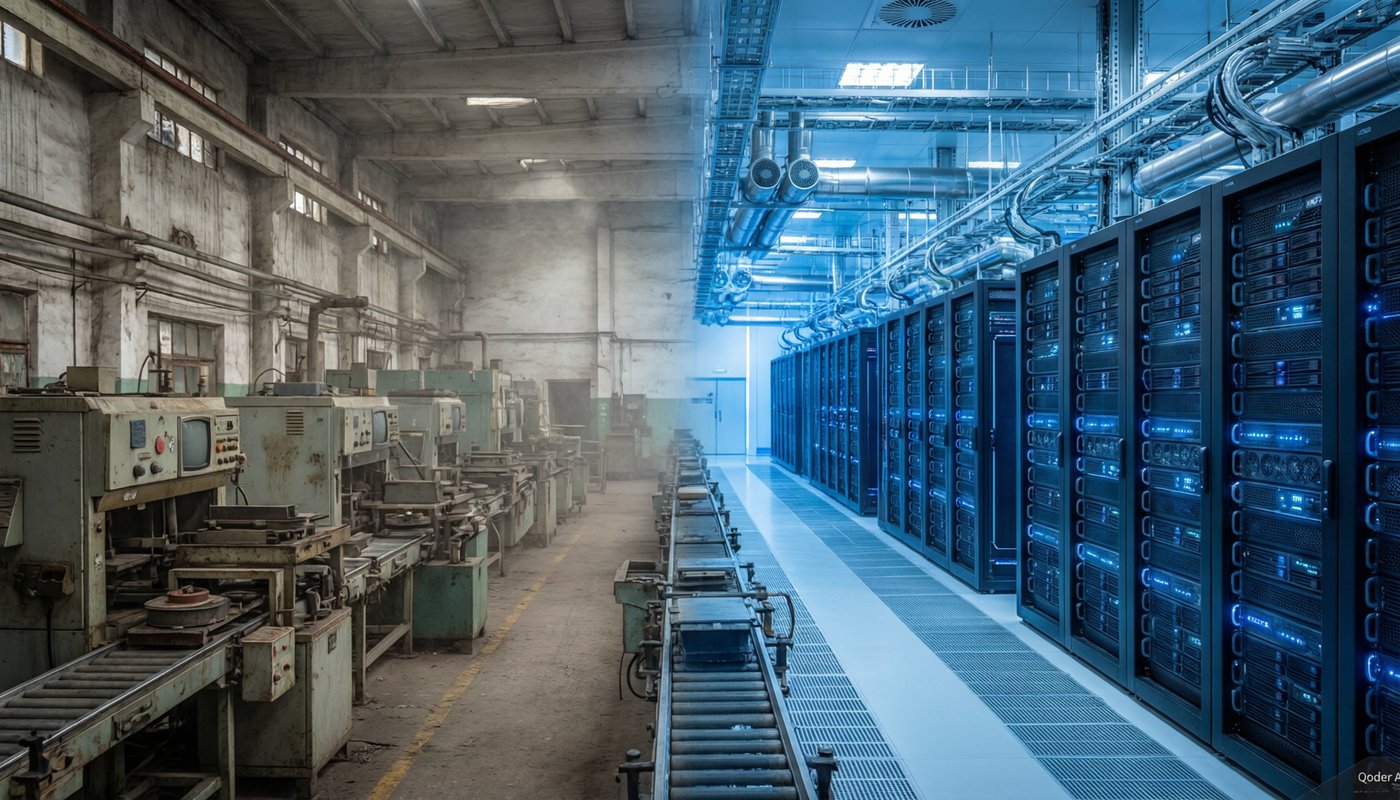
The company that once defined Japanese consumer electronics, with the VCR, the plasma television and a name that appeared on millions of kitchen counters, is spending its way into the artificial-intelligence business. Panasonic Holdings said it will invest about 500 billion yen over the next two fiscal years in AI-related operations, and it raised its target for AI infrastructure sales to about 1.4 trillion yen within three years.
Panasonic’s history is full of reinventions. The company began making light bulbs and bicycle lamps in the early twentieth century, moved into radios, televisions and home appliances, and became a symbol of Japan’s postwar industrial rise. Its later bets, on plasma displays and solar panels, showed the dangers of backing technologies that markets did not adopt at the expected scale, and executives now speak more cautiously about committing to any single vision of the future.
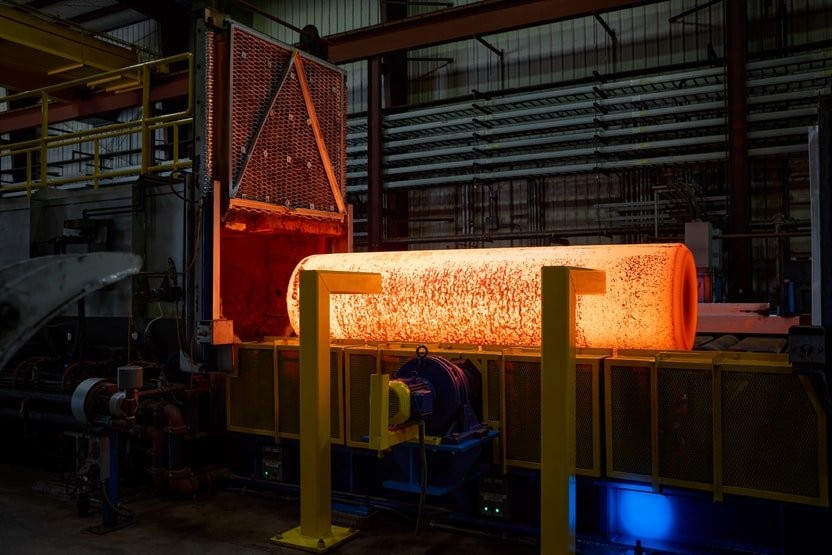
The plan is part of a decade-long transformation that has turned Panasonic into something its founders would barely recognize. The company has steadily reduced its dependence on televisions and home appliances, the products that made its brand famous, and rebuilt itself around batteries, factory automation and components. It is now one of the largest suppliers of batteries to Tesla, a relationship that accounts for a substantial share of its automotive business.
The new investment will go toward data-center power systems, energy storage and industrial software, the pieces of the AI economy that do not make headlines but consume enormous amounts of capital. Panasonic executives said the company’s existing strengths in batteries and power management position it to serve the companies building AI infrastructure, rather than the ones training models.
The spending comes with a cost elsewhere. Panasonic has expanded a previously announced restructuring, raising planned job cuts from 10,000 to 12,000 positions, and the company said the enlarged program would yield savings of about 145 billion yen. The cuts are concentrated in the consumer businesses that have struggled for years, including parts of its appliance and television operations.
The logic of the trade-off is clear to investors, even if it is painful for employees. Panasonic’s consumer electronics division has lost money or earned thin margins for most of the past decade, squeezed by Chinese competitors and a shrinking market for the products it pioneered. The battery business, by contrast, has grown with the electric-vehicle boom and now dominates the company’s profit picture.
The pivot is not without risk. Panasonic’s dominance in EV batteries is being challenged by Chinese makers such as CATL and BYD, which have undercut it on price and scale. The company has responded by focusing on premium cylindrical cells, the format Tesla uses, and by expanding into energy storage for data centers and homes, markets where it faces fewer low-cost rivals.
The AI infrastructure push builds on that strategy. Data centers need more than chips; they need power distribution, cooling and backup storage, all areas where Panasonic has decades of engineering history. The company has been quietly selling these products for years, and the new investment is aimed at scaling them up as AI spending accelerates.
Analysts said the plan is realistic but demanding. The 1.4 trillion yen sales target, roughly three times the size of Panasonic’s current AI-related revenue, depends on the data-center boom continuing and on the company winning orders against better-established rivals. The job cuts, meanwhile, are being watched closely in Japan, where large manufacturers are under political pressure to protect employment.
The restructuring reflects a broader shift across corporate Japan. Companies like Panasonic, Toshiba and Sony built the country’s postwar economy on consumer products, and each has had to find a new identity as that era ended. Sony found one in entertainment and image sensors. Panasonic is betting on batteries, industrial technology and the infrastructure that artificial intelligence runs on.
The company’s announcement comes as Japanese industry faces pressure to participate in the AI economy directly rather than supplying it from the sidelines. Panasonic’s approach, selling the physical infrastructure that AI needs rather than the software or models, fits the strengths of Japanese manufacturing, where precision engineering and reliability still command premiums. Whether the market will pay those premiums at the scale Panasonic needs is the question its shareholders are now asking.
The next two fiscal years will show whether the bet is working. The 500 billion yen investment is large by Panasonic’s standards, and the 12,000 job cuts are the deepest in its modern history. The company that once promised to make every home a little more comfortable is now making the case that it can power the machines that will run the economy instead. The kitchen appliances are still in its catalogs, but they are no longer the story.