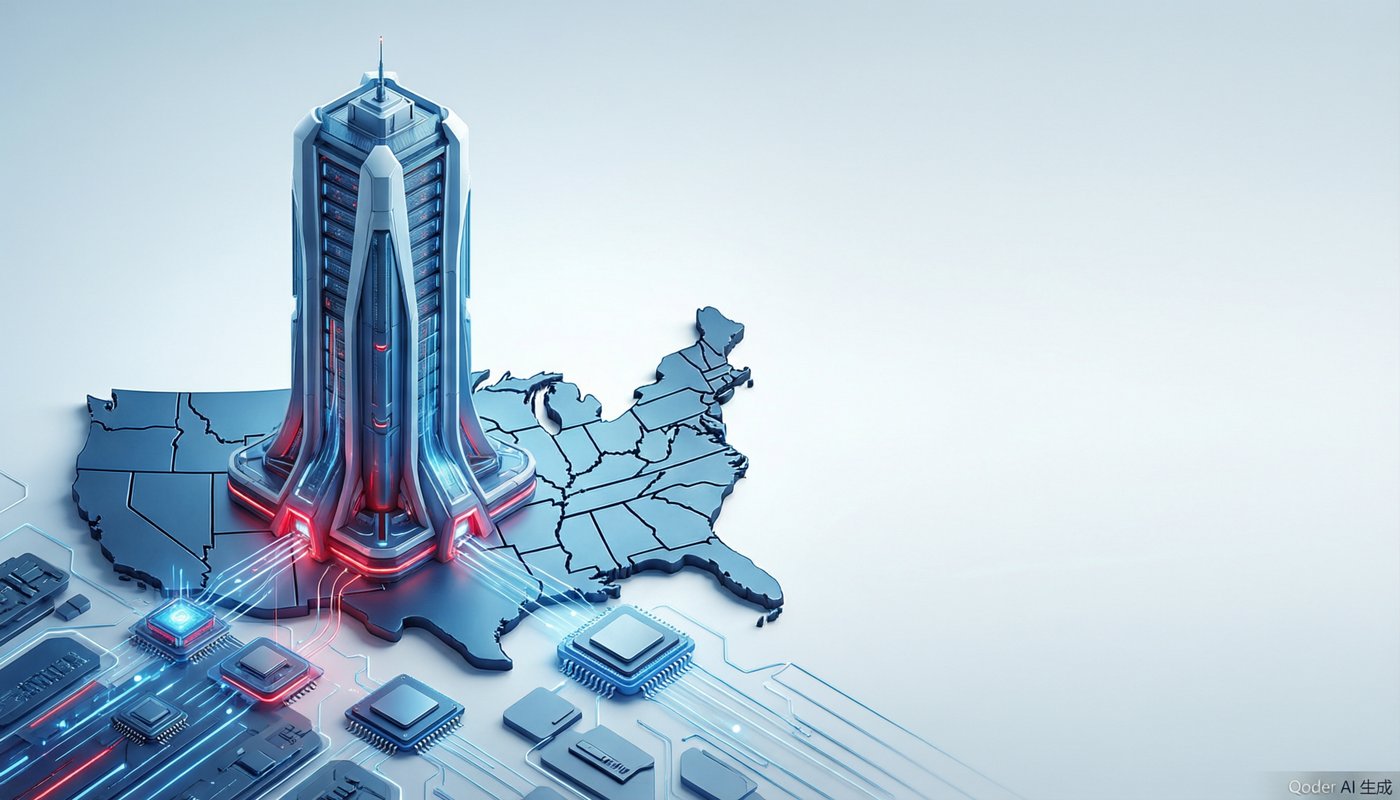
The plan, according to people familiar with it, has been in preparation for months, and it is audacious even by SoftBank standards: build an American cloud business from scratch, rent computing power to U.S. companies, and reach roughly 10 gigawatts of data-center capacity by the end of the decade. SoftBank Group and its telecom subsidiary will run the venture through SB Neo Inc., a cloud joint venture that begins renting AI computing resources to American enterprises from the next fiscal year.
Ten gigawatts is a number that needs context. A single gigawatt is roughly the power draw of a small city, and the largest cloud providers in the world operate their AI fleets at a scale measured in single-digit gigawatts today. SoftBank’s target would make SB Neo one of the biggest sellers of AI compute on the planet, a position currently occupied by Microsoft’s Azure, Amazon Web Services, and Google Cloud. The venture plans to offer both training and inference capacity, the two workloads that define the AI era: the heavy, months-long runs that teach models, and the constant, round-the-clock work of answering users.
The timing is deliberate. Demand for AI compute in the United States has outpaced supply for more than a year, and corporate customers have been waiting months for capacity on the big clouds. SoftBank’s chairman has said repeatedly that the AI build-out is the largest capital investment cycle in history, and that Japan’s largest conglomerate intends to be a participant, not a spectator. The U.S. market is the prize: American enterprises, from banks to hospitals to retailers, are the world’s biggest buyers of AI services, and they are paying premium prices for capacity.
The venture may start with an anchor customer that no rival can match. SoftBank’s parent company has committed to invest as much as $65 billion in OpenAI by October, and OpenAI is the largest consumer of AI compute in the world, with a training and inference bill that runs into the billions of dollars a year. A softbank-owned cloud with OpenAI as a tenant would be the industry’s most dramatic vertical integration since the big clouds began building their own chips. People familiar with SoftBank’s thinking said the company expects the OpenAI relationship to be a cornerstone of SB Neo’s customer base, though the details of any contract have not been disclosed.
The economics of the venture are straightforward and brutal at the same time. Data centers are the most capital-intensive real estate on Earth: land, power, cooling, and equipment consume billions of dollars before a single customer is served. SoftBank has the balance sheet for the build-out, and it has a track record of patient capital — the group has funded businesses for a decade or more before they became profitable. The question is execution: building 10 gigawatts of capacity requires power agreements, grid connections, and construction permits, all of which move slowly in the United States.
Power is the constraint everyone in the industry cites first. Data centers are competing with factories and homes for electricity, and the queue to connect to the U.S. grid stretches for years in some regions. SoftBank has been acquiring land and negotiating power agreements in multiple states, according to people familiar with the matter, and the company has said it will consider nuclear and renewable sources to secure supply. The industry, meanwhile, is watching whether SoftBank’s scale gives it bargaining power with utilities and equipment suppliers — a scale that only the largest players can deploy.
The venture also faces the question of differentiation. SB Neo will compete with hyperscalers that have spent two decades building cloud software, developer tools, and enterprise relationships. Renting raw compute is a commodity business with thin margins unless the provider offers something more: reliability, security, or integration. SoftBank’s answer, according to people familiar with its plans, is focus — the venture will target AI-heavy workloads and customers that need massive capacity in a hurry, rather than the broad enterprise market the established clouds serve.
SoftBank’s own history adds a note of caution. The group has made huge bets before — on WeWork, on ridesharing, on telecom assets — and its record is mixed, with spectacular successes and equally spectacular losses. The AI cloud business is being run by a different generation of management, with tighter financial discipline, and the OpenAI investment has given the group a credibility in AI that it lacked in earlier cycles. Still, analysts note that a 10-gigawatt build-out will require tens of billions of dollars in committed capital, and that the venture’s success will be measured in years.
For the American cloud market, SoftBank’s entry is meaningful even if it never reaches its target. The established players are already racing to build capacity, and a well-funded new entrant changes the supply outlook, the pricing outlook, and the negotiating position of enterprise buyers. The venture’s relationship with OpenAI, if it materializes into a large contract, would be the clearest signal yet that the AI economy is consolidating around a handful of deep-pocketed groups.
The next fiscal year, when SB Neo begins renting capacity, is not far away. By then the company will need power, permits, and customers. SoftBank has the money. The question is whether it has the patience, and whether the market still needs what it is building.