
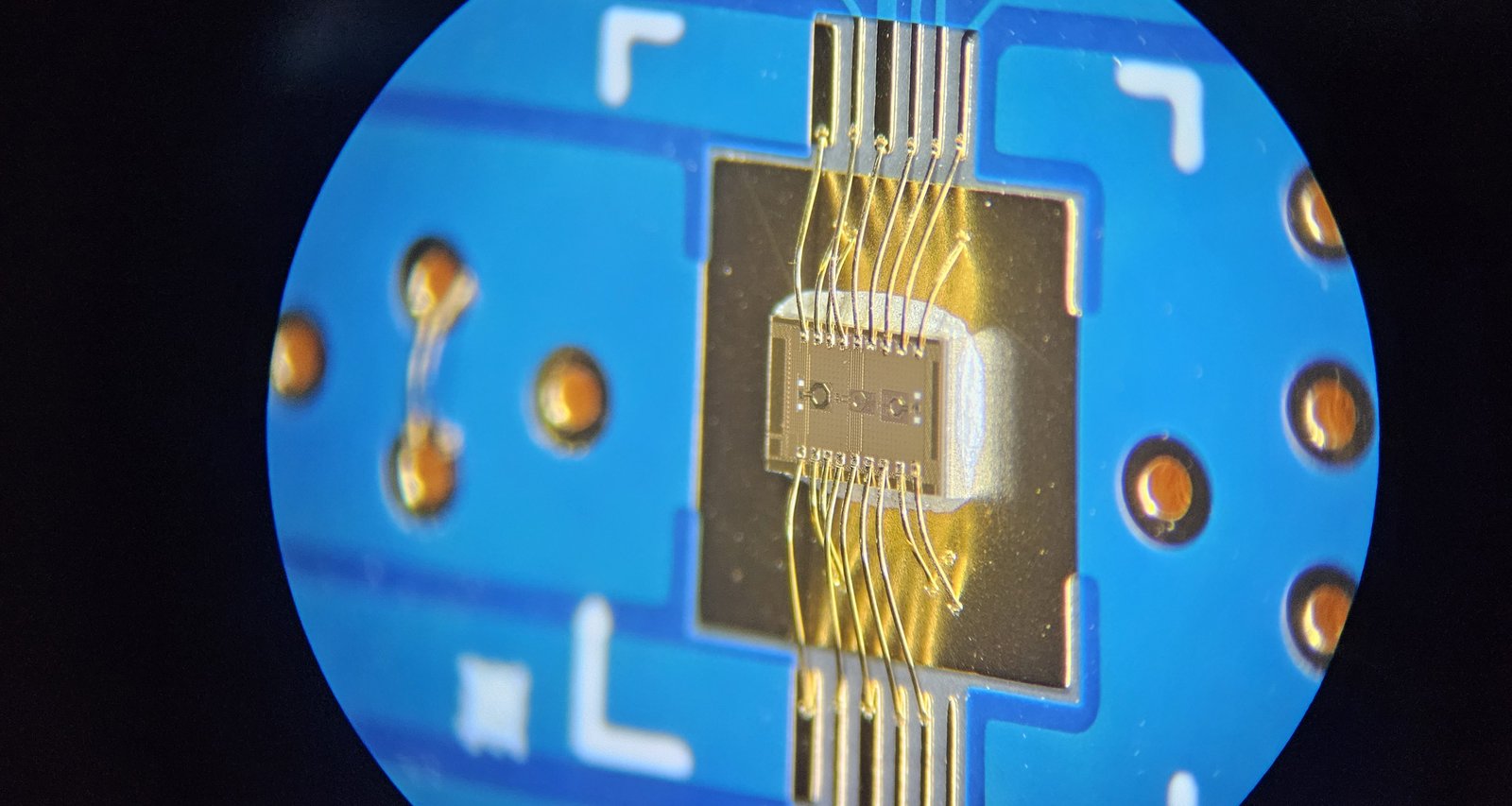
CUPERTINO, Calif. — The handshake between two of Silicon Valley’s most secretive companies just got longer. Broadcom said Monday that it has renewed its chip supply agreement with Apple through 2031, extending a relationship that has run for two decades and widening its scope from radio-frequency and wireless components to custom-designed chips. The new pact is not a simple extension of the old one, according to people familiar with the matter: Apple is commissioning a broader range of custom silicon from Broadcom, and the two companies’ engineering teams are working more closely than ever before.
The deal covers what Broadcom calls custom ASICs — chips designed for a specific customer’s needs rather than sold broadly. Apple already relies on Broadcom for the radio-frequency chips that connect iPhones to cellular networks and for wireless components, and the renewed agreement deepens that dependence while adding new product categories. Reuters and Bloomberg confirmed the agreement, and Chinese business outlet 36Kr, citing people close to the companies, reported that it also includes collaborative development of next-generation connectivity chips.
For Broadcom, the contract is a rare kind of certainty. The company’s chip business has been powered in recent years by custom AI accelerators designed for hyperscalers such as Google, and the Apple agreement adds a second pillar of locked-in revenue that analysts expect to run well into the next decade. Broadcom has told investors that its custom-silicon pipeline is booked years in advance, and the Apple extension extends that visibility even further.
For Apple, the deal fits a strategy the company has pursued for two decades: design the chips that matter, buy the ones that do not, and keep both paths under its control. Apple’s in-house silicon team has replaced Intel processors in Macs and is now central to the iPhone’s A-series chips, but the company has never tried to build every component, and radio-frequency technology in particular has stayed with outside suppliers. The Broadcom renewal keeps that division of labor in place while pushing it in a more custom direction.
The timing is significant. Apple is spending heavily on artificial intelligence, from on-device models to data-center infrastructure, and the connectivity chips in development are expected to support faster on-device AI processing and machine-to-machine data transfers. People familiar with the discussions said the two companies have been working on chips that would let iPhones and other Apple devices handle AI workloads more efficiently, including by moving data between devices and Apple’s servers more quickly.
The deal also reflects the economics of chip supply in 2026. Advanced chips are more expensive to design and manufacture than ever, and the largest buyers are locking in suppliers years in advance rather than bidding in the open market. Apple has signed multi-year agreements with multiple chipmakers in recent years, including a 2023 deal with Broadcom for U.S.-made radio-frequency components, and the new agreement follows the same pattern: certainty for the supplier, priority access for the buyer.
Analysts said the arrangement shows how the chip industry’s center of gravity has shifted toward a handful of companies that can design custom silicon at scale. Broadcom’s custom ASIC business has grown into one of the largest in the industry, and its relationship with Apple — one of the world’s biggest buyers of chips — is among its most valuable. The renewal removes a question that had hung over Broadcom’s stock: whether Apple would bring more of its chip design in-house and leave Broadcom with a shrinking share of the phone’s components.
The engineering collaboration is the part that outsiders cannot see, and the part both companies say matters most. Apple’s chip teams and Broadcom’s custom-silicon groups will share roadmaps, test chips, and production plans years before products ship, a level of integration that goes well beyond a supplier relationship. People familiar with the discussions said the two companies have dozens of engineers working side by side on the next-generation connectivity designs, and that the collaboration has deepened since Apple began relying on Broadcom for the custom components in its newest devices.
For Broadcom, the financial impact is straightforward: the agreement locks in a stream of revenue that analysts expect to grow as Apple commissions more custom chips. For Apple, the value is strategic — guaranteed supply of components it considers essential, at prices set by contract rather than by shortages, and a hedge against the supply-chain disruptions that have repeatedly hit the electronics industry. The deal also serves notice to other chipmakers that the biggest buyers are choosing their partners for the long term, and rewarding the ones that can design with them.
The answer, for now, is no — Apple is extending and deepening the relationship, commissioning more custom work, and sharing engineering resources with Broadcom at a level the companies say is unprecedented. The two companies are not merging their roadmaps, but they are binding them together for the next five years, in a deal that locks in revenue for Broadcom, capability for Apple, and a clearer picture of where both companies think the chip industry is heading.



