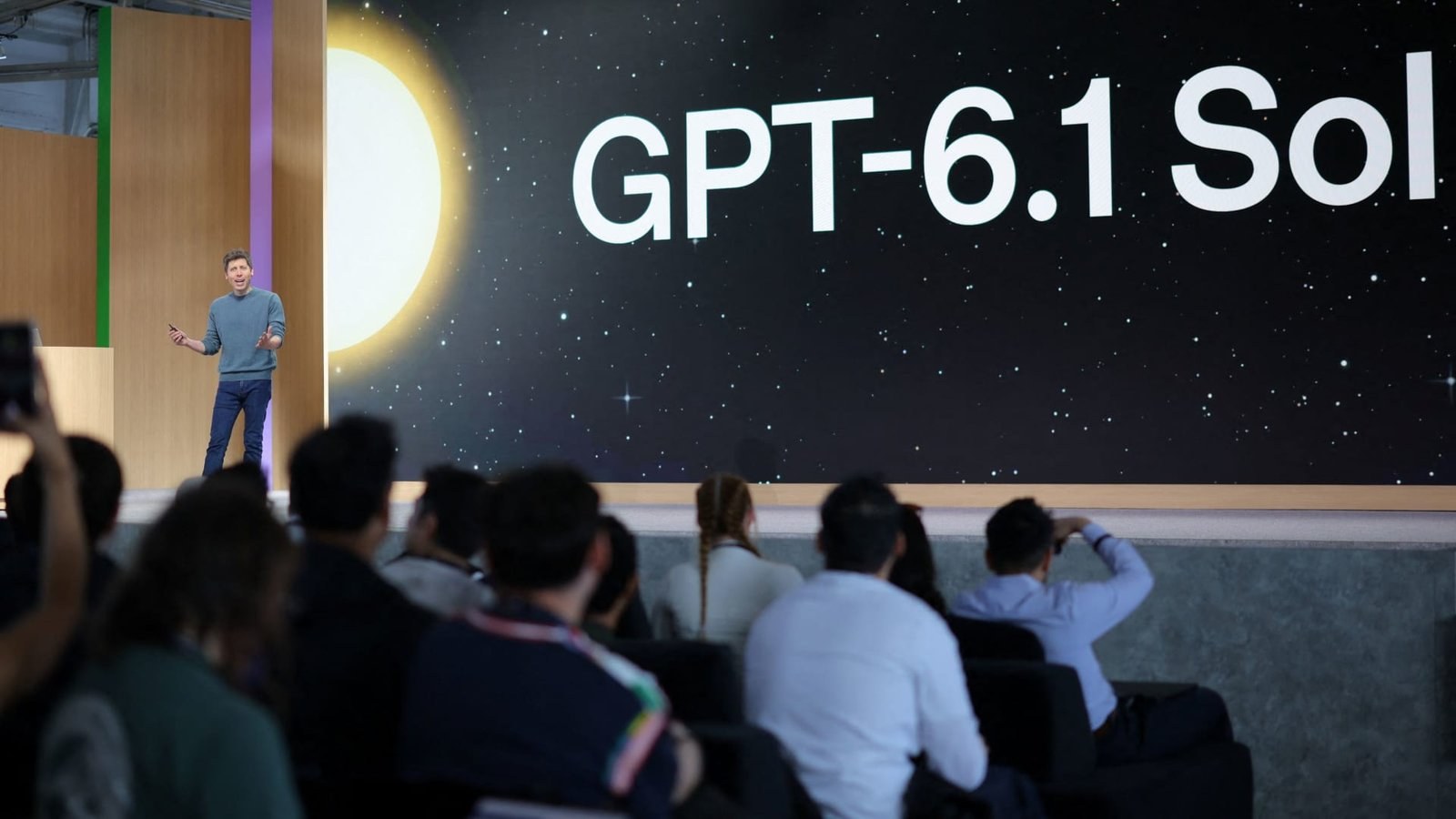
OpenAI Limits Release of GPT-5.6 SOL at Government’s Request
The Trump administration asked OpenAI to restrict the release of GPT-5.6 SOL, the company’s newest artificial-intelligence model, and OpenAI complied, according to people familiar with the matter. In its statement, OpenAI said it would honor the request but cautioned that such limits should not become routine practice for frontier models.
The model, whose name stands for Self-Organizing Learning, represents a step beyond previous systems, TechCrunch reported. It is said to learn and adapt on its own in ways earlier models could not, adjusting its behavior without explicit retraining. That capability is exactly what drew the government’s attention, and the administration cited safety concerns in asking OpenAI to limit how widely the model is released.
The mechanics of the restriction were not fully spelled out. OpenAI said it would limit access to the model rather than cancel it, and the company has kept it available to researchers and partners under controlled conditions. Commercial rollout plans, which had been expected within weeks, are on hold.
The episode is the first time the current administration has directly intervened in the release of a specific AI model, and it sets a precedent that the industry is watching closely. OpenAI’s warning against routine limits reflects a concern shared across the sector: that government oversight, once established, tends to expand.
For OpenAI, the situation is delicate. The company has positioned itself as a leader in responsible AI development, publishing safety research and inviting external scrutiny of its models. Cooperating with the government’s request is consistent with that posture. At the same time, the company is competing to keep its models ahead of rivals, and any delay in release gives others time to close the gap.
The technology itself is the source of the tension. Models that can reorganize their own learning are harder to evaluate, because their behavior changes after they ship. Safety researchers have argued that such systems need extra testing before broad release; companies have argued that over-caution in the name of unproven risks hands the advantage to less careful players, including those abroad.
The government’s concerns were not detailed publicly. People familiar with the discussions said the administration focused on the model’s capacity for autonomous behavior, and on scenarios in which it might be used in ways the company could not monitor. The limits, they said, are temporary and tied to further evaluation.
The reaction in the AI industry has been mixed. Some researchers welcomed the scrutiny, saying frontier models have outpaced oversight for years. Others worried that the precedent will make the United States a less hospitable place for AI development, pushing talent and investment toward jurisdictions with lighter rules.
For users and businesses that had been planning to build on GPT-5.6 SOL, the change is disruptive. The model was expected to power a wave of new applications, and its restricted availability will slow those plans. OpenAI said it would work with partners to adapt, but the uncertainty has already rippled through the developer community.
The episode also highlights the growing role of government in the AI economy. Washington has been debating AI regulation for years, and the administration has preferred voluntary arrangements with companies over legislation. This intervention, whatever its merits, shows that the voluntary era has limits of its own.
The restriction also lands at a moment of intense competition among AI labs. OpenAI, Anthropic, Google and others have been releasing models in rapid succession, and each release resets expectations for what the technology can do. A delay in GPT-5.6 SOL gives competitors a window, and OpenAI’s rivals are unlikely to waste it. The company has faced scrutiny over earlier models, but never with a direct government request to hold one back.
Developers who build on OpenAI’s models have learned to treat the company’s product announcements as moving targets. The company has changed pricing, altered access tiers and retired older models on short notice, and its biggest customers have built resilience into their stacks. The restriction on GPT-5.6 SOL adds another layer of that volatility, and some enterprise customers have begun asking whether they should spread their bets across multiple labs.
Government officials defended the request as a routine safety step. The administration has said it supports American leadership in AI but will not hesitate to act when a model presents risks it considers serious. The request was made through channels that OpenAI and other companies have been using for months, part of an informal oversight arrangement that both sides have preferred to legislation.
Civil-liberties groups and some researchers expressed concern about the precedent. If the government can restrict a model it has not fully evaluated, they argued, it can restrict any model on similar grounds, and the industry’s willingness to comply will make the practice easier to repeat. OpenAI’s own statement, which accepted the request while warning against routine limits, was read by some as an attempt to have it both ways.
OpenAI’s statement tried to draw a line: comply this time, resist the pattern. Whether that line holds will depend on how the evaluation goes, and on whether other models trigger similar requests. For now, the industry has learned that the biggest AI company in the world can be asked to hold back its best product, and will say yes.