The opening bell rang at Nasdaq on July 10, and SK Hynix, the South Korean memory giant, began trading as an American depositary receipt. The listing raised roughly $26.5 billion, about 40 trillion won, a record for any Korean company, and it turned a weekday afternoon in Seoul into a morning in New York.
The roadshow was, by all accounts, a rout. 36Kr reported that the book was oversubscribed, with institutional orders routinely exceeding $200 million and some American funds committing more than $1 billion to single positions. SK Hynix closed the book early, on Tuesday, a move that bookrunners said reflected both demand and a desire to set the price before the market could move against the deal.
The first day of trading was always going to be a referendum on two questions. The first is whether the boom in high-bandwidth memory can carry the company through a soft patch in its NAND flash business, the commodity end of its product line where prices have sagged. The second is whether a large Korean technology company can win the valuation that American investors grant their domestic peers.
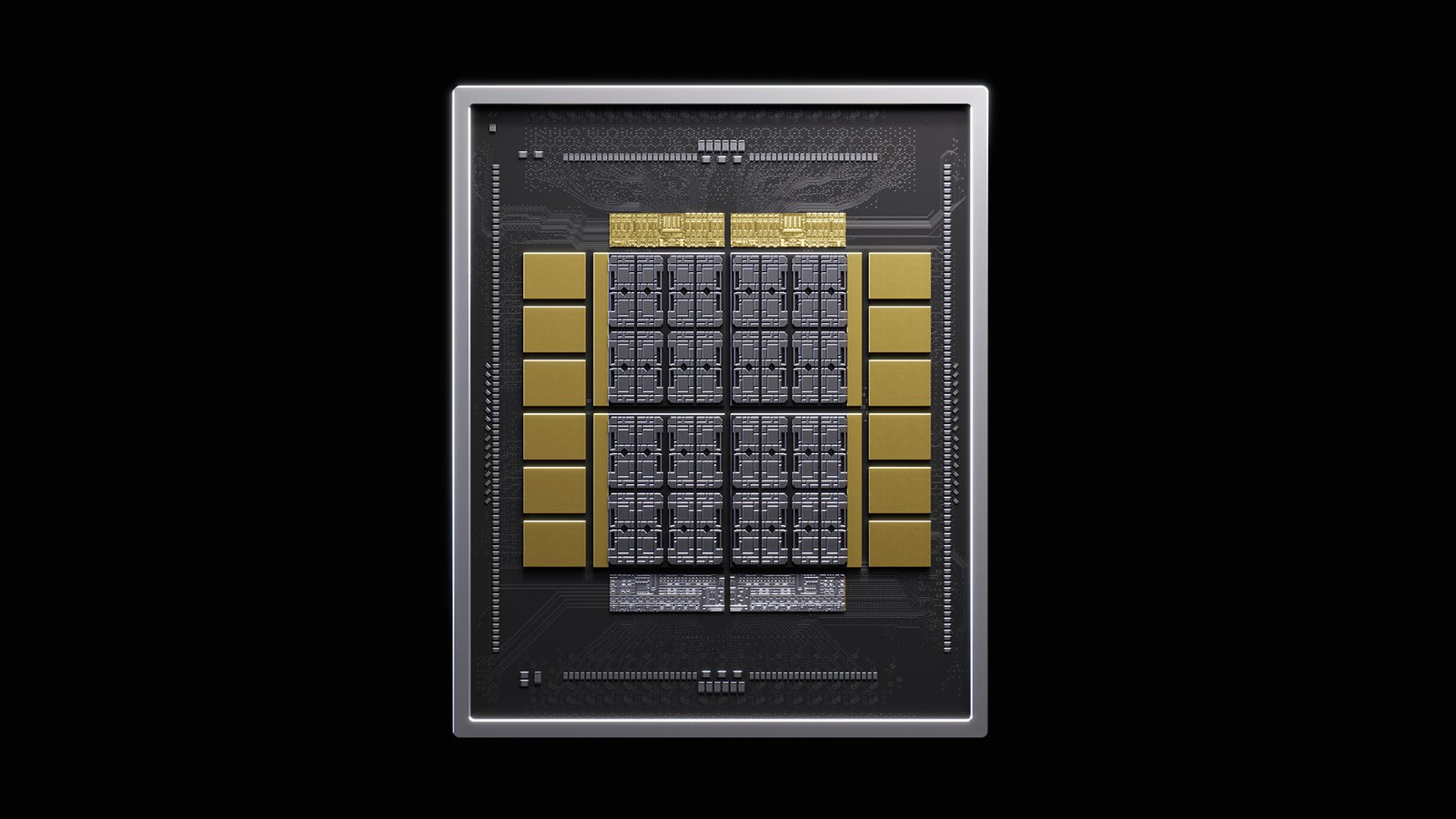
HBM is the easy half of the story. The chips, which sit beside AI accelerators and feed them data at speeds conventional memory cannot match, have become the scarcest component in the AI supply chain. SK Hynix is the dominant supplier, and its HBM business has been sold out for quarters. The hard half is NAND, where oversupply and weak consumer demand have depressed prices through 2026, dragging on the company’s overall margins.
The American listing is SK Hynix’s answer to a valuation problem. Korean-listed technology companies have long traded at a discount to their American counterparts, a gap that investors attribute to corporate governance concerns, index composition and the limited pool of domestic capital. By listing in New York, SK Hynix gains access to the deepest pool of AI-focused capital in the world, the same money that has bid up Nvidia, Microsoft and the cloud giants that buy its memory.
Behind the demand is a supply chain running at full tilt. HBM production is constrained by the advanced packaging capacity that stacks memory layers beside AI accelerators, and SK Hynix has been selling its output to a short list of buyers, led by Nvidia. The memory maker’s executives have said the company’s HBM capacity is effectively sold out through the current generation, a statement investors read as a promise of pricing power. NAND, by contrast, is a market where SK Hynix competes with Samsung and a growing field of suppliers, and prices there have been the persistent drag on results.
The deal also diversifies the company’s funding base as it pours capital into capacity. SK Hynix is expanding HBM production, building out advanced packaging and preparing for the next generation of memory standards, all of which require billions in annual spending. The proceeds from the American listing give it a war chest denominated in dollars, matching the currency in which its biggest customers pay.
The structure of the deal tells its own story. American depositary receipts let investors trade a foreign company’s shares in dollars without navigating Korean settlement, custody and currency mechanics, and SK Hynix’s choice of a full ADR listing, rather than a secondary line, signals that it expects a permanent American investor base rather than a listing of convenience. Bankers involved in the process said the company chose New York over alternative venues precisely because the AI investor base is deepest there.
The response from the market will be watched across Asia. Korean regulators and executives have debated for years whether their largest companies should follow the American path, and a successful SK Hynix debut would give the argument a powerful data point. Samsung, the country’s other memory giant, has shown no appetite for a similar move, and executives in Seoul said SK Hynix’s outcome would inform that decision too.
The immediate test is narrower. On the first day, traders will weigh the HBM strength against the NAND weakness and the new valuation premium against the currency and governance risks that have kept Korean stocks cheap. The order book suggests institutional conviction; the tape will show whether that conviction survives contact with the trading floor.
Bookrunners and bankers involved in the deal said the oversubscription was a signal about the AI trade itself. Money is not merely flowing into the obvious names, the chip designers and the cloud providers; it is reaching into the supply chain, into the companies that make the components the AI buildout consumes by the shipload. SK Hynix’s $26.5 billion bet, in that reading, is not just a company raising money. It is the market’s largest single wager yet on the physical infrastructure of artificial intelligence, and the first day’s close will say how much conviction that wager has.