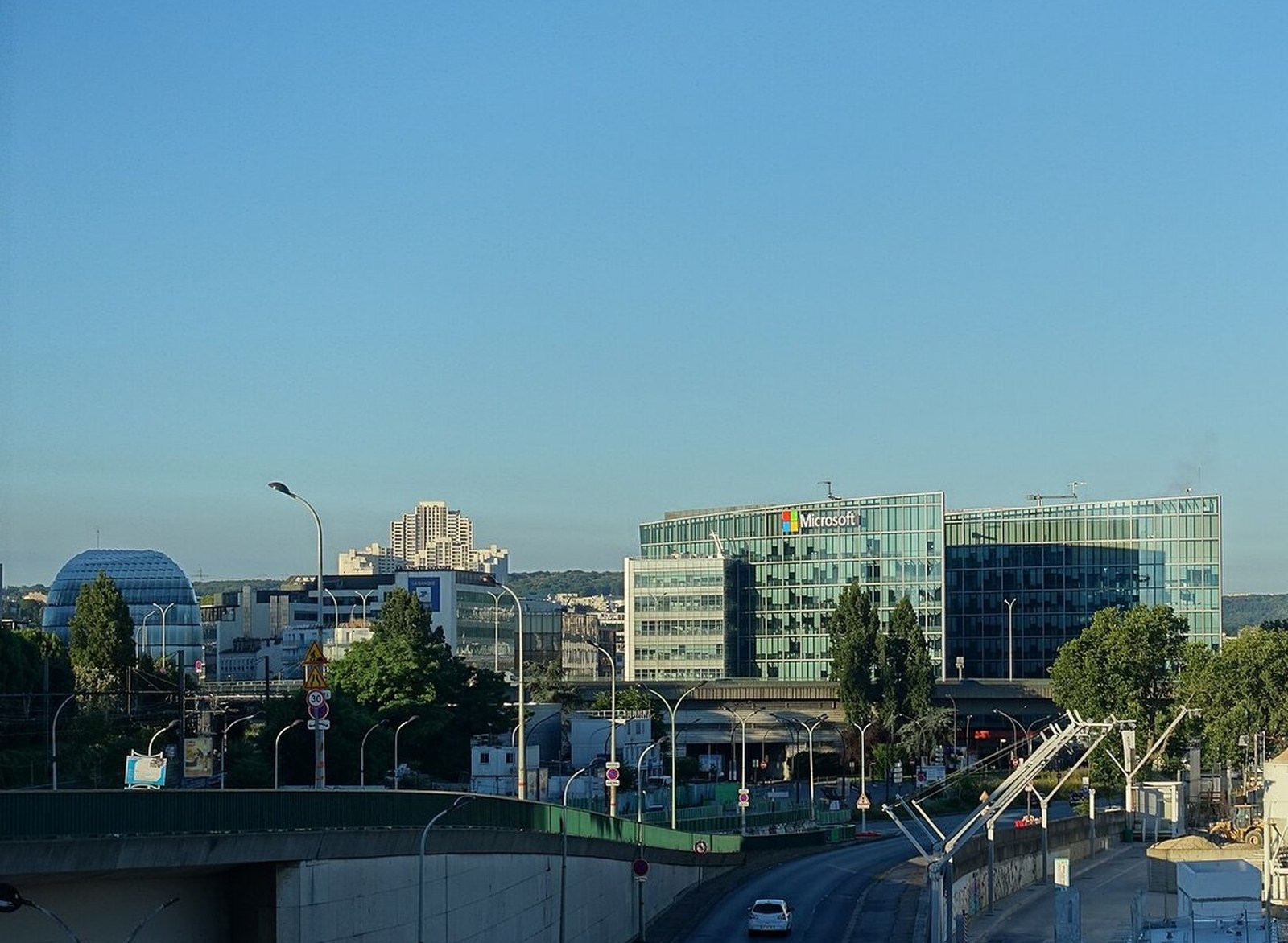
The new round of tariffs took effect on July 24, and the world’s markets moved in unison: down. Brent crude climbed past $100 a barrel. The Dow Jones Industrial Average fell more than 500 points. And the seven largest U.S. technology companies, the group investors call the Magnificent Seven, lost roughly $767 billion in market value in a single session.
The tariffs, which apply to imports from 60 economies, represent one of the broadest trade measures the administration has imposed, extending a campaign that has already reshaped supply chains across electronics, autos, and machinery. The White House has said the measures are aimed at correcting what it calls unfair trade practices and at bringing manufacturing back to the United States.
The market reaction was about more than the tariffs themselves. Import taxes raise costs for companies that build products across borders, and technology companies are among the most exposed: their hardware is assembled in Asia, their components cross borders multiple times, and their valuations depend on assumptions of steady earnings growth.
The oil move added a second layer of pressure. Crude above $100 a barrel raises input costs across the economy and strengthens the case for higher interest rates, a combination that is doubly uncomfortable for growth stocks. Sectors that sit between trade and energy, airlines, retailers, and manufacturers, were hit hardest.
The Magnificent Seven’s losses were the day’s defining number. Apple, Microsoft, Nvidia, Alphabet, Amazon, Meta, and Tesla together shed nearly $767 billion in market value, a figure larger than the annual economic output of most countries. The selloff showed how concentrated market gains have become: when the largest stocks move, the indexes move with them.
The group’s composition is itself a statement about how the market has changed. The seven stocks together account for more than a third of the S&P 500’s value, a concentration that has made the index unusually sensitive to their moves. When Apple and Nvidia fall sharply on the same day, the market feels it in every corner.
Semiconductor stocks led the decline, as investors weighed the risk that tariffs raise the cost of chips and the equipment used to make them. The chip industry has spent two years relocating some production to the United States, but the bulk of fabrication and assembly still happens abroad, and tariff schedules that change with little notice are hard to plan around.
The selloff also touched the companies building AI infrastructure. Data-center operators, chip suppliers, and power developers all fell, as investors calculated that higher borrowing costs and input prices would slow the buildout that has driven the market’s biggest gains. The AI trade, which has powered two years of stock gains, proved no more immune to a risk-off session than anything else.
Macro risk is back as the dominant factor in tech pricing, analysts said. For two years, technology valuations have been driven by AI earnings expectations, with interest rates and trade policy in the background. The tariff round flipped that ordering: when the broad market repriced risk, tech had the furthest to fall.
Markets have absorbed several tariff rounds over the past year and a half, and each has been followed by a partial recovery. The speed of this selloff, hundreds of billions in market value gone in a day, suggested investors were not treating this round as routine.
The dollar is part of the mechanism. Tariffs tend to push the dollar higher, which pressures the earnings of multinational companies when converted back into dollars and tightens financial conditions in emerging markets. A stronger dollar is one more headwind for the export-heavy tech sector.
For consumers, the measures will eventually show up in prices. Tariffs on imported components raise the cost of goods from phones to cars, and retailers have already signaled that some of the increases will be passed through. Economists said the effect on inflation will depend on how long the tariffs stay in place.
Trade negotiations are expected to follow, as they have after each previous round, and analysts said the eventual scope of the measures will depend on how quickly trading partners respond. What happens next is the question markets are asking. If the tariffs are a negotiating tactic, the selloff is an overreaction that will be bought; if they persist, supply chains reprice permanently and tech margins face a structural squeeze.
The tariff package covers imports from 60 economies and lands in phases, with the first tranche effective July 24. Exporters in Asia and Europe moved quickly to model the impact: components that cross borders multiple times before reaching a finished device face compounding duties at each stage. For the semiconductor supply chain, which assembles chips in Taiwan, packages them in Southeast Asia and integrates them into devices in China, the cumulative effect can exceed the headline rate several times over. Analysts have begun revising margin forecasts for hardware makers that lack pricing power to pass the costs through.
The equity reaction was concentrated where exposure is highest. The Magnificent Seven lost roughly $767 billion in market value in a single session, a reminder of how much of the index’s gains now rest on global manufacturing and cross-border demand. Currency markets moved as well, with the dollar strengthening against the currencies of the most affected exporters. Economists are split on whether the tariffs are a durable policy or a negotiation stance, but the market’s immediate answer was to price in a permanent increase in input costs for technology hardware and a slowdown in trade-dependent segments.
For technology investors, the episode is a lesson in what drives the market now. AI earnings still matter, but they are no longer the only variable that matters. On July 24, the market’s message was unambiguous: macro risk is the pricing factor tech cannot ignore.