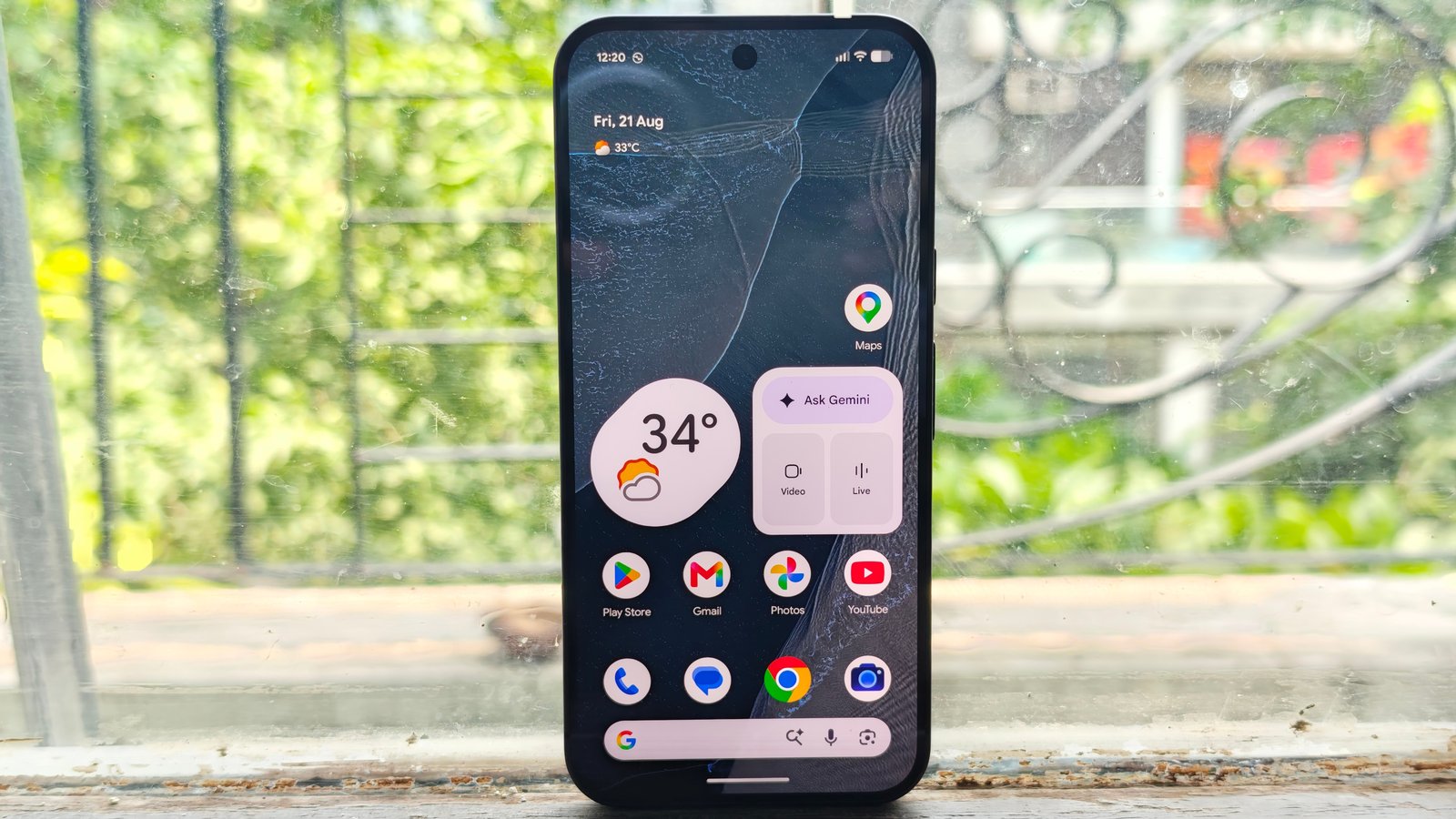
The confirmation came without a number. Google said this month that its upcoming Pixel 11 series will carry higher prices because of the global shortage of DRAM and NAND flash memory, while declining to say how much higher. For a company that has spent years positioning the Pixel as the sensible alternative to Apple’s pricing, the admission is a strategic concession: the memory crisis has reached the phone aisle.
The shortage is real and it is everywhere. The AI buildout has consumed the world’s high-bandwidth memory production, squeezing the supply of standard DRAM and NAND that phones, PCs and servers depend on. Memory prices have climbed sharply through the year, and the costs have been working their way through the supply chain — from the fab to the component to the finished device. Google is the latest, but far from the only, manufacturer to pass the costs along.
Apple got there first. The company raised prices on its Mac and iPad lines as memory costs surged, the first such broad increase in years for a company that had treated pricing as a competitive weapon. Google’s confirmation extends the pattern down the product chain: if Apple’s premium devices and Google’s mid-premium devices are both rising, the entire smartphone market is repricing.
Google’s other announcement was the more interesting one. Alongside the price news, the company said it is optimizing Android to reduce memory usage — software efficiency as a response to a hardware cost problem. The move is quietly radical for a company whose platform has historically treated memory as cheap. Android’s memory footprint has been a running criticism against iPhones for years, with Apple’s tighter hardware-software integration letting it do more with less RAM.
If memory is now expensive, the competitive logic flips. A phone that runs well on 8 gigabytes instead of 12 saves real money at scale, and a platform that can trim its memory appetite can hold prices down without sacrificing performance. Google’s optimization program is the first visible sign that the memory shortage is changing not just prices but engineering priorities across the industry.
The move also sets up a new competitive dimension. For years, the phone market competed on cameras, screens and chip specs. If hardware costs are rising, software efficiency becomes a selling point: the phone that needs less memory, less storage headroom and less battery can undercut rivals on price. Apple has long enjoyed that advantage through vertical integration; Google’s announcement suggests it intends to close the gap on Android.
The memory shortage itself shows no sign of easing. Analysts expect HBM demand to keep crowding out conventional memory production through next year, and the traditional cycle of new capacity coming online has been slow to respond because memory makers are reluctant to expand for products whose prices could collapse again. The result is a supply crunch that phone makers can neither control nor ignore.
For consumers, the Pixel 11’s price rise is a small number in a broader trend: the era of steadily falling consumer electronics prices is over, at least for now. Components are up, shipping is up, and the companies that once absorbed those costs to buy market share are now passing them to the buyer. Google’s refusal to specify the increase suggests it expects the news to be unpopular, and it is likely waiting to see what rivals charge before setting final numbers.
The software angle gives Google room to maneuver. If Android’s memory optimization succeeds, the Pixel can partially offset the hardware cost with efficiency — a smaller price increase than the components alone would justify, or better performance at the same price. The strategy only works if the optimization is real, and the industry will be watching the Pixel 11’s reviews for the RAM numbers and the benchmark scores.
The memory shortage has also changed the dynamics of the component market itself. Memory makers, burned by years of price collapses, have been disciplined about capacity additions, and the AI boom gave them the pricing power they had been waiting a decade for. The result is a rare stretch in which the memory industry is setting the terms — and phone makers are the ones adjusting.
For Google, the Pixel’s role in the company’s broader strategy makes the pricing decision delicate. The Pixel is the showcase for Android and for Google’s on-device AI features, and it competes in a market where Apple dominates the premium tier. Raising prices risks ceding the value segment at exactly the moment Google is trying to grow hardware share; absorbing the costs risks a margin hit the company has shown little tolerance for.
For now, the message to the market is unambiguous. Memory is scarce, prices are up, and every phone maker is going to feel it. Google’s task is to make the Pixel feel it less than the competition — through engineering, through supply deals, and through whatever efficiency it can squeeze out of Android. The price tags on this fall’s phones will show how well that worked.