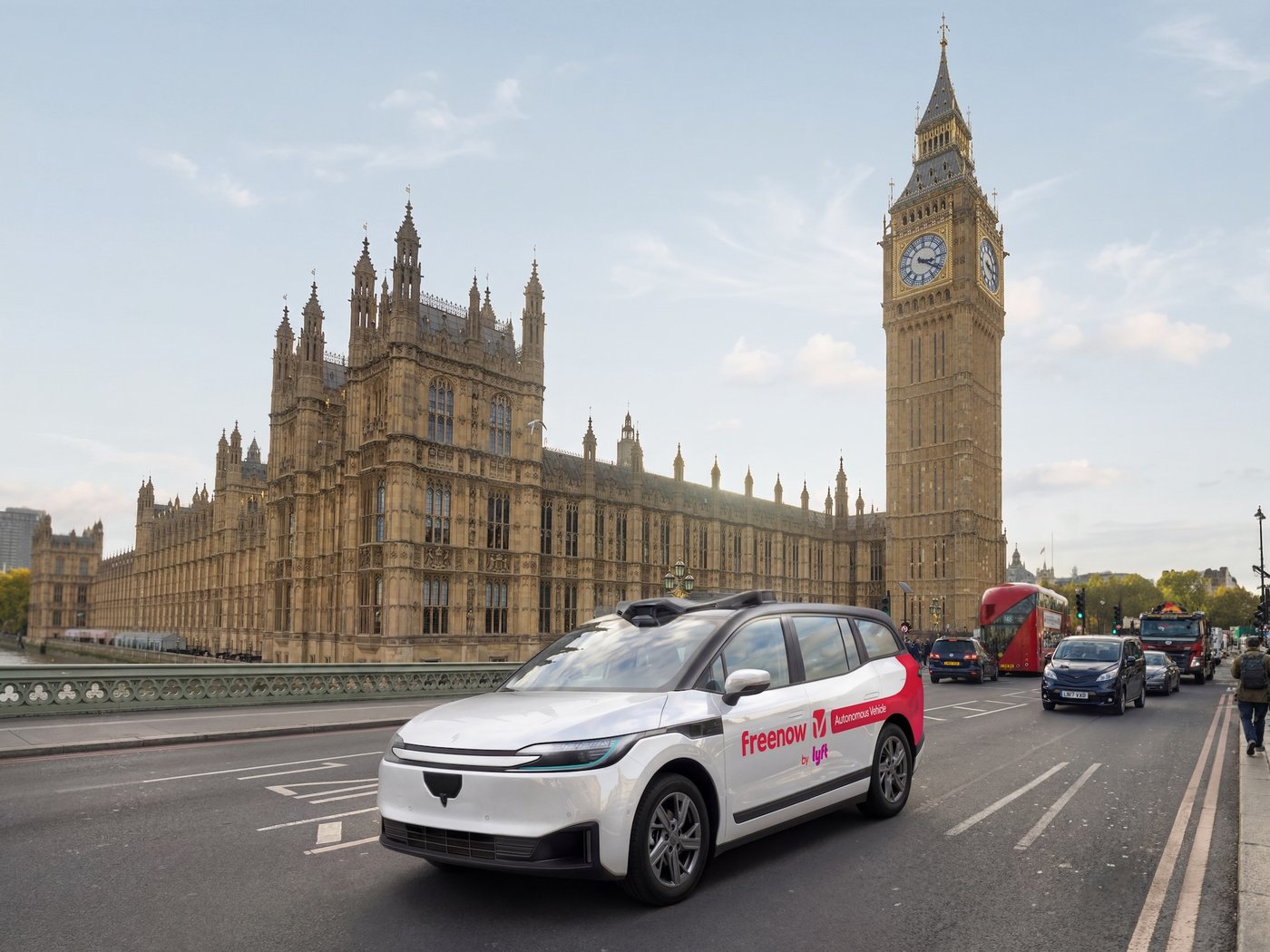
London became the newest front in the global robotaxi race on July 28, when Lyft and Baidu’s Apollo unit began a public trial of driverless ride-hailing in the city. The service, which launches with a small fleet and a limited operating area, marks the first robotaxi deployment in a major European capital by a Chinese technology company, and it adds a new chapter to a competition that has been dominated by American players.
The trial is small by design. The companies said the initial phase will operate in a defined zone with safety operators on board, a standard approach for the first stage of autonomous deployment. Passengers will be able to hail the vehicles through the Lyft app, which will integrate Apollo’s technology. Uber, Lyft’s larger rival, is also participating in the London rollout in a separate capacity, according to people familiar with the arrangements, underscoring how quickly the autonomous ride-hailing market is drawing in every major platform.
The London launch gives Baidu a foothold in Europe at a time when Chinese autonomous driving technology is under scrutiny in Washington. Baidu has operated robotaxis in several Chinese cities, including Wuhan, where its Apollo Go service has completed millions of rides, and it has been seeking international expansion as competition at home intensifies. London, with its dense traffic, narrow streets and aggressive regulation of the taxi trade, is considered one of the most difficult environments for autonomous driving, which makes the choice of the city significant: if the technology works in London, it works almost anywhere.
For Lyft, the partnership is part of a strategy to position itself for a future in which the economics of ride-hailing are transformed by autonomous vehicles. Lyft has said repeatedly that it does not intend to build its own self-driving technology, and that its role will be to operate the platform, manage demand and integrate the fleets of multiple autonomous vehicle developers. The Baidu partnership gives it a marquee name to point to, and the London trial is its first high-profile international deployment.
The competitive map of the robotaxi industry is now explicitly multi-polar. Waymo operates in San Francisco and other U.S. cities with technology built at Alphabet. Tesla has been rolling out its own autonomous ride service in Texas, using its fleet of consumer vehicles. And Baidu, with Lyft as its Western partner, is now operating in London. Each player brings a different model: Waymo’s purpose-built robotaxis, Tesla’s repurposed consumer cars, and Baidu’s mass-market approach, which has focused on aggressively low fares to build ridership.
The London trial also carries regulatory significance. The United Kingdom has been developing a framework for autonomous vehicles, and its transport authority has signaled that it wants to attract testing rather than discourage it. The choice of London, rather than a more permissive region, suggests the companies want to demonstrate compliance with one of the world’s stricter regimes. If the trial succeeds, it could clear a path for wider deployment across the country and set a template for other European cities.
Investors responded positively to the announcement. Lyft’s shares rose modestly in trading on July 28, a small move that analysts attributed to the symbolic value of the launch rather than its immediate financial impact. The trial is expected to generate limited revenue in its early phase, and both companies cautioned that commercial deployment at scale is still years away.
The economics of the robotaxi business remain unresolved, and that uncertainty hangs over the London launch. Autonomous ride-hailing requires enormous capital investment in vehicles, sensors and software, and none of the major operators has yet demonstrated sustained profitability at scale. Waymo has been expanding aggressively, Tesla has promised its service will reach profitability quickly, and Baidu has been subsidizing fares to build demand. The London trial will generate data on unit economics in a high-cost environment, information that will be valuable to all three.
For passengers, the trial is a glimpse of a future that has been promised for years. The vehicles will be identifiable by their sensors and by the Lyft branding, and riders will be asked for feedback on every trip. The safety operators will be visible in the front seats during the trial phase, signaling that fully driverless operation remains the next hurdle.
The broader race is about which company can build the largest base of riders and the most reliable technology before the economics force a consolidation. London adds a new data point to that race, and a new test for whether Chinese autonomous technology can succeed in the most demanding Western market. If it does, the robotaxi competition will look very different by this time next year.
Both companies said they expect the trial to run for at least a year before any decision on expansion.