In mid-June, Elon Musk became the first person on record to hold a fortune of $1 trillion. By the end of July, the title was gone. His net worth has fallen back to roughly the level it held before SpaceX’s public listing, according to Fortune, after a slide in Tesla’s share price and a drop in SpaceX stock below its offering price.
The round trip took about six weeks. The fortune was built on two highly volatile companies, and it retreated along the same path it climbed: Tesla accounts for a large share of Musk’s wealth, SpaceX for much of the rest, and both moved against him in the same stretch. Paper wealth that had been marked up in a matter of months was marked down just as quickly.
The scale is hard to make intuitive. Hundreds of billions of dollars of market value evaporated from Musk’s holdings in a single month, a swing that would rank among the largest individual losses on record. Analysts noted the irony in the timing: the trillion-dollar mark was itself a product of SpaceX’s debut, which briefly carried the combined fortune over the threshold, and the same company’s post-listing slide is what pulled it back under.
Tesla did most of the work on the way down. The stock has been under pressure all summer, caught between slowing demand, price cuts that squeeze margins, and a string of regulatory headlines from Washington. Each fresh investigation or recall headline compounds the selling, and Musk’s own distractions, from the reported China restructuring to speculation about a tie-up with SpaceX, have given investors more reasons to stay cautious.
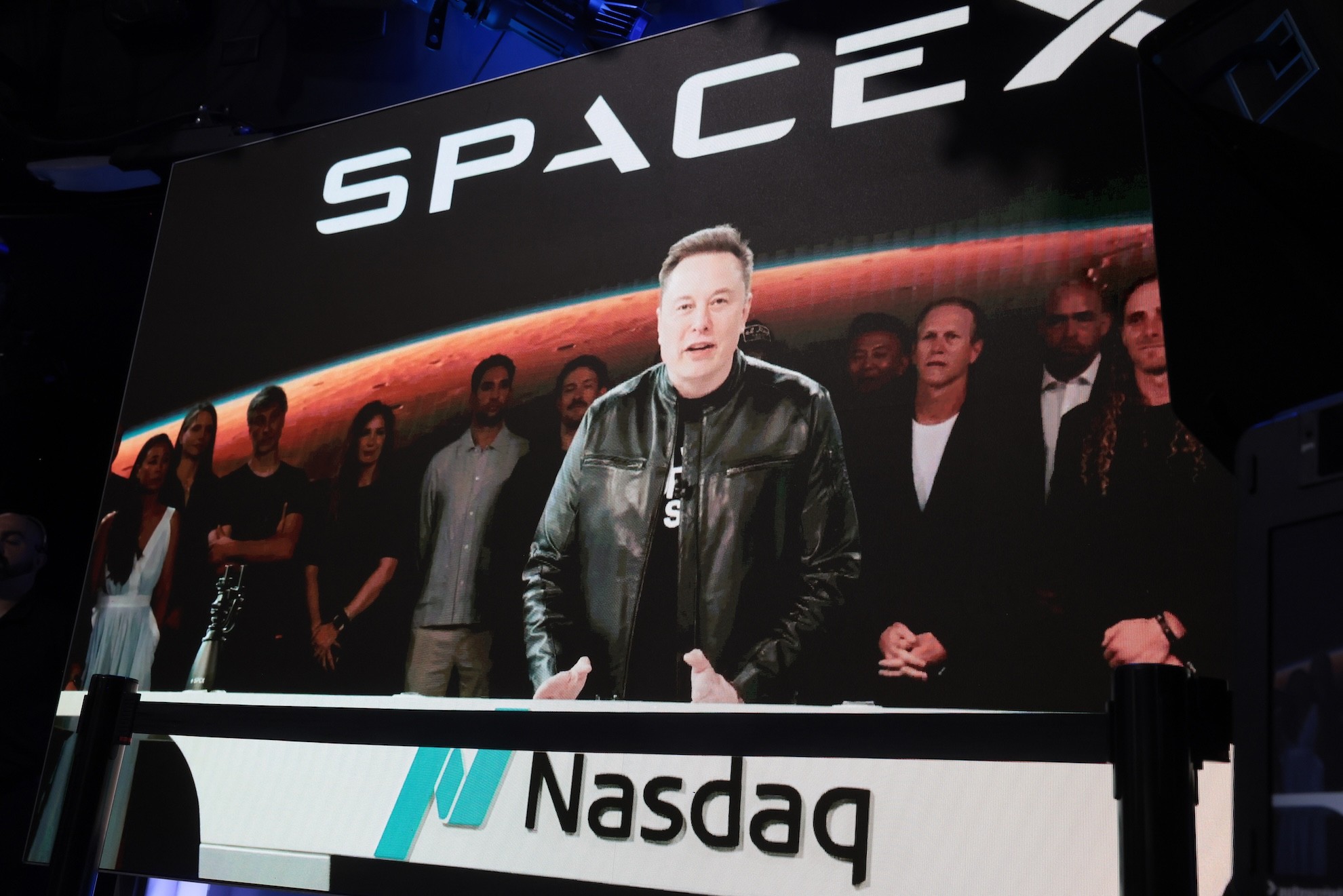
SpaceX’s contribution is newer and cuts differently. The company’s shares traded above their offering price for a time after the listing, then slipped below it as the market digested the scale of the float and the prospect of a large lockup expiry in August. Musk’s stake is enormous, and every percentage point of SpaceX stock moves his net worth by billions of dollars, an arithmetic that works in both directions.
The episode is a study in concentration risk at the extreme. Most fortunes of this size are spread across operating companies, real estate, and diversified holdings; Musk’s is a concentrated bet on two businesses, one in cars and one in rockets, both capital-intensive, both exposed to interest rates, and both led by the same founder. When they rise together, the fortune sets records. When they fall together, the decline is just as fast.
For Tesla shareholders, the swings carry a governance question. Musk’s compensation package is tied to market-value targets, and his attention is spread across companies that increasingly compete for his time. The China rumors and the SpaceX speculation have a common feature: both would change the shape of Tesla’s business, and neither has been confirmed, leaving the market to price an uncertain story.
The contrast with other members of the wealth rankings is instructive. Most of the world’s largest fortunes are anchored in companies with diversified revenue, long histories, and boards that outlast their founders; Musk’s two pillars are both founder-controlled, both valued on future growth rather than current earnings, and both exposed to the same interest-rate cycle that has punished long-duration assets all year. When the cost of capital rises, companies valued on tomorrow’s cash flows fall fastest, and a fortune built on two of them falls with them.
The trillion-dollar interlude may not be over permanently. SpaceX’s earnings report and the August lockup expiry will test the stock in both directions, and a strong Tesla delivery quarter would repair much of the damage. Analysts who follow the two companies said the fortune’s path from here depends less on Musk than on the same variables that move any investor’s money: growth, margins, and the cost of capital.
One uncomfortable detail for the company’s investors: the wealth swings and the business news now arrive in the same feed. Musk’s personal fortune moves with every headline about Tesla’s China operations, SpaceX’s lockup, or his other ventures, and the correlation has made the stock more sensitive to stories that are really about him rather than about the cars. Governance analysts have argued for years that Tesla would trade differently with a less concentrated founder, and the past month has been a live demonstration of the argument.
What the month demonstrated, in the end, is how fragile a record built on two volatile stocks can be. The trillion-dollar club turned out to have an entrance and an exit, and Musk walked through both in the same summer. The title was real, the wealth was real, and so was the reversal, which makes the episode less a story about Musk and more a story about what any concentrated fortune looks like when the market turns.