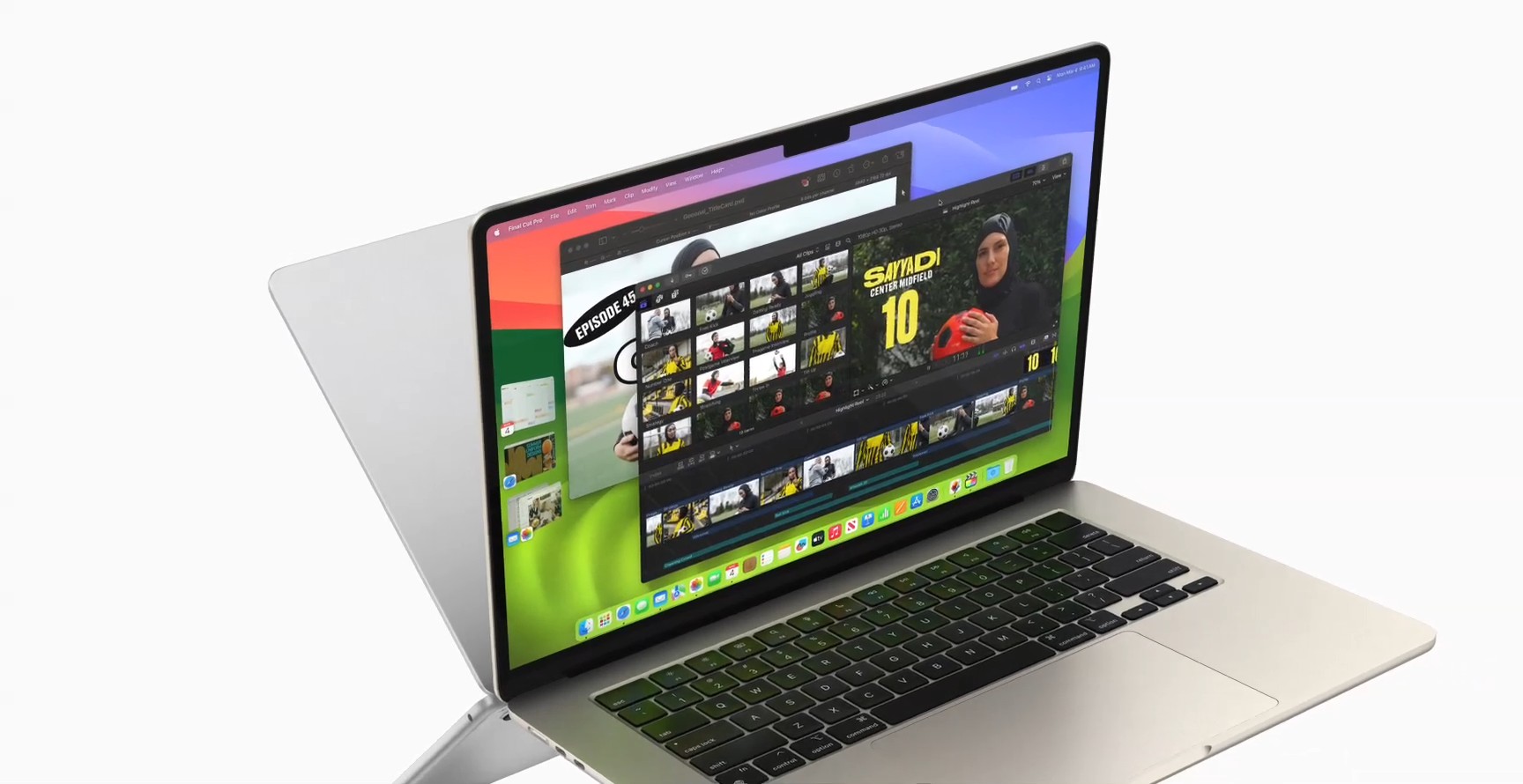
On Apple’s website, the delivery estimate for a configured MacBook Air now stretches into late August, and on some configurations into September. The global memory shortage has reached the company’s best-selling laptop, according to Bloomberg’s Mark Gurman. The crunch that already hit the Mac mini and Mac Studio has spread to the machine that drives Mac volume.
The MacBook Air is the product Apple cannot afford to have short. It is the entry point to the Mac line and the device that converts Windows users, priced to move in volume. A delivery date a month out on the company’s highest-volume laptop is not a supply hiccup; it is a supply crisis with a price tag.
Apple’s response has been to move on several fronts at once. It is raising prices, absorbing only part of the higher memory cost. It is seeking out Chinese storage suppliers, an unusual step for a company that has spent years diversifying away from Chinese manufacturing. And it has postponed its back-to-school promotion, a rare concession for a seasonal event that anchors its summer sales.
The promotion delay is the tell. Back-to-school is one of the most reliable drivers of Mac sales, and delaying it signals that Apple does not expect to have the inventory to support it. Marketing attention is shifting to the MacBook Pro, the higher-margin machine that Apple can still ship, according to Gurman.
The root cause is memory, and the memory shortage is a creation of AI. Accelerator makers and cloud providers are buying memory in volumes that the industry never planned for, and the supply that would have gone to laptops and phones is being pulled into data centers. Consumer devices are now competing with AI infrastructure for the same wafers.
The competition is unfair in the simplest way: the AI buyers can pay more. A data center operator adding capacity has a stronger incentive to secure memory than a laptop maker trying to hold a price point. Memory prices rise, and the laptop maker either raises prices or waits.
Apple’s pricing response is the visible part. The company rarely cuts prices and has historically absorbed component inflation to protect its margins and its brand. Raising prices on the MacBook Air, its volume product, suggests the memory cost increase is too large to absorb.
The supplier diversification is the strategic part. Chinese memory makers have been expanding production, and Apple’s interest in them reflects both price and availability. The move is delicate, given the political climate around Chinese technology, but the shortage has made it necessary, analysts said.
The delay in the promotion is the signal of internal priorities. Apple is choosing to protect the MacBook Pro line, where margins are higher and demand is more predictable. The MacBook Air, for now, is the product that waits.
The pattern is repeating across the industry. PC makers are facing the same memory costs and the same delays, and the shortage has become a feature of the consumer electronics calendar rather than an exception. Delivery dates, price increases and delayed promotions are becoming the new normal.
The distinction between memory types matters for the recovery. The shortage began with the high-bandwidth memory used in AI accelerators and has cascaded into the commodity DRAM and NAND that laptops use, as fabs shift capacity toward the premium products. The cascade is why a data center problem became a laptop problem.
Consumers are the ones left with the bill. Higher prices on the shelf, longer waits for delivery and fewer promotions all end up in the same place: the customer pays for the AI buildout. The memory that powers the data center is being paid for at the checkout counter.
For Apple, the episode is a test of its supply chain playbook. The company built decades of credibility on its ability to secure components ahead of rivals, using prepayments and long-term commitments to lock in supply. A memory shortage that reaches its best-selling laptop suggests even the most disciplined buyer cannot outbid the AI buildout.
The shortage also changes the calculus of the Mac lineup. With the Air constrained, the Pro becomes the machine Apple can actually sell, which is convenient for margins but awkward for a company that built its consumer franchise on affordability. The shift in marketing focus is a response to physics, not preference.
Gurman’s reporting frames the situation as one Apple is managing rather than solving. The company can shift marketing, adjust prices and add suppliers, but it cannot create memory capacity that does not exist. The constraint is physical, and it will last as long as the AI buildout does.
The MacBook Air’s delivery page is the most honest market signal available. It says the world’s most valuable company cannot get enough memory for its most popular laptop. When that is true, the shortage is not a rumor or a forecast; it is a fact with a delivery date.