Kioxia Holdings said Monday that Toshiba had cut its stake in the memory chip maker to about 14.12% from 14.48% as of Aug. 3, a small sale that nonetheless redrew the ownership map: BCPE Pangea Cayman2, an entity established by Bain Capital, is now the largest shareholder with 14.19%.
The shift, disclosed in a company statement, is the latest chapter in a saga that began in 2018, when Bain led a consortium that bought Toshiba Memory, as Kioxia was then known, in a deal valued at about $18 billion. Toshiba, which held on to a minority stake after the sale, has been trimming it for years as it restructured its own business. The change in the shareholder order is numerically thin, a difference of seven basis points, but its symbolism is not: the founding company’s grip on its former unit is nearly gone, and the private-equity structure that has run Kioxia since the buyout is now firmly in control.
The more consequential detail sits deeper in Kioxia’s annual report. The company lists as a risk factor the fact that SK Hynix holds bonds convertible into “substantially all” of the voting rights of BCPE Pangea Cayman2, and it warns that the arrangement could give rise to conflicts of interest. SK Hynix, South Korea’s second-largest memory maker, participated in the 2018 Bain-led consortium, and as part of the deal it pledged to keep its voting rights in Kioxia at or below 15% until 2028 unless the company consents otherwise. The convertible structure, which lets SK Hynix gain control of the Bain entity’s votes, sits inside that ceiling today, but the risk factor makes clear what the terms permit in the future.
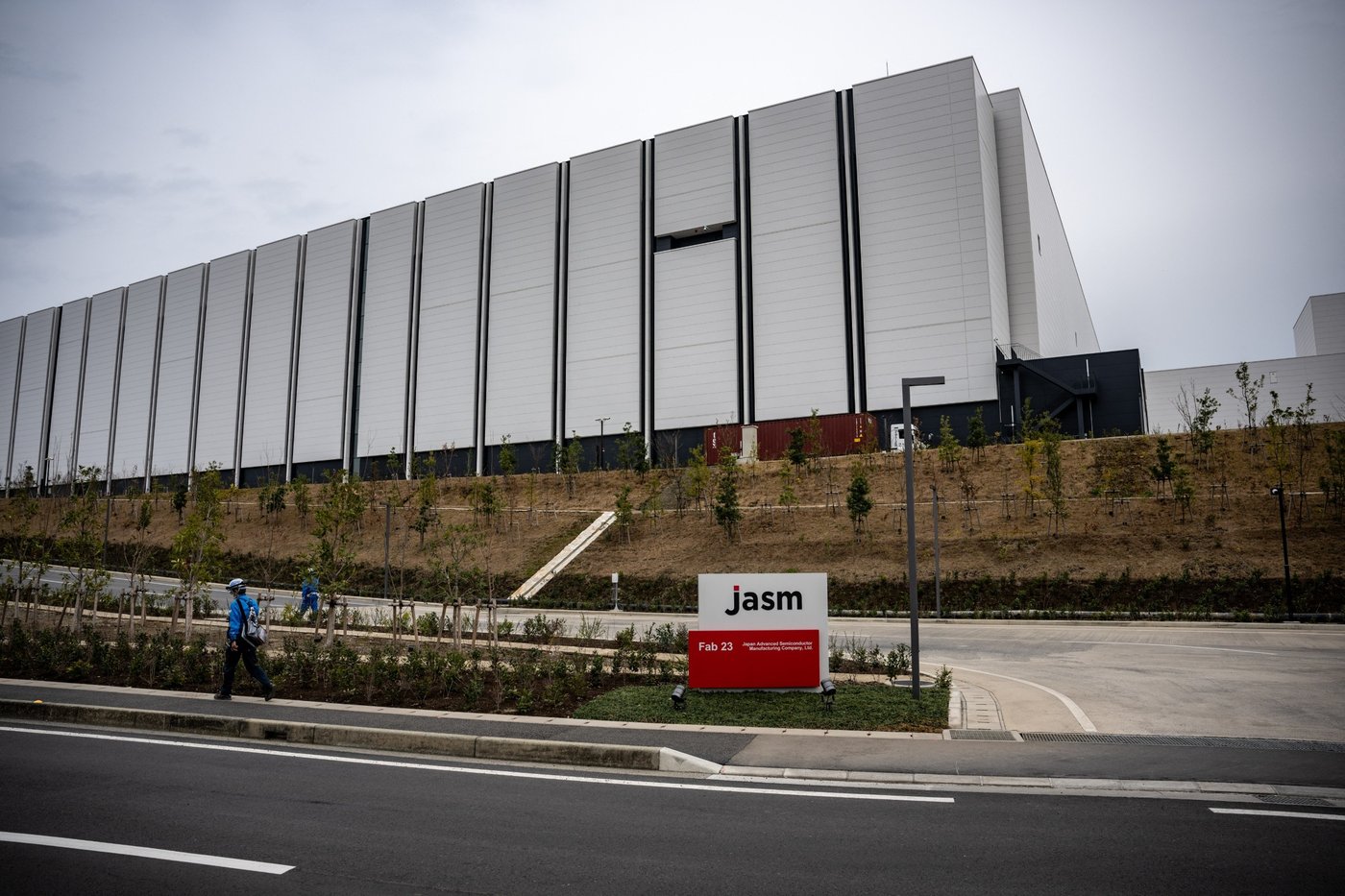
For the memory industry, the arrangement opens a door that Japan has spent decades keeping shut. Kioxia is Japan’s last major memory maker, the country’s flagship producer of NAND flash, the chips that store data in phones, laptops and data centers. The Japanese government has watched its ownership structure closely since the 2018 buyout, and regulators have conditioned approvals on keeping control of the company in friendly hands. A scenario in which SK Hynix, a Korean rival to Samsung, comes to control Kioxia would consolidate the global NAND market into fewer, larger players and hand Seoul’s semiconductor champions even more influence over an industry Washington and Tokyo both consider strategic.
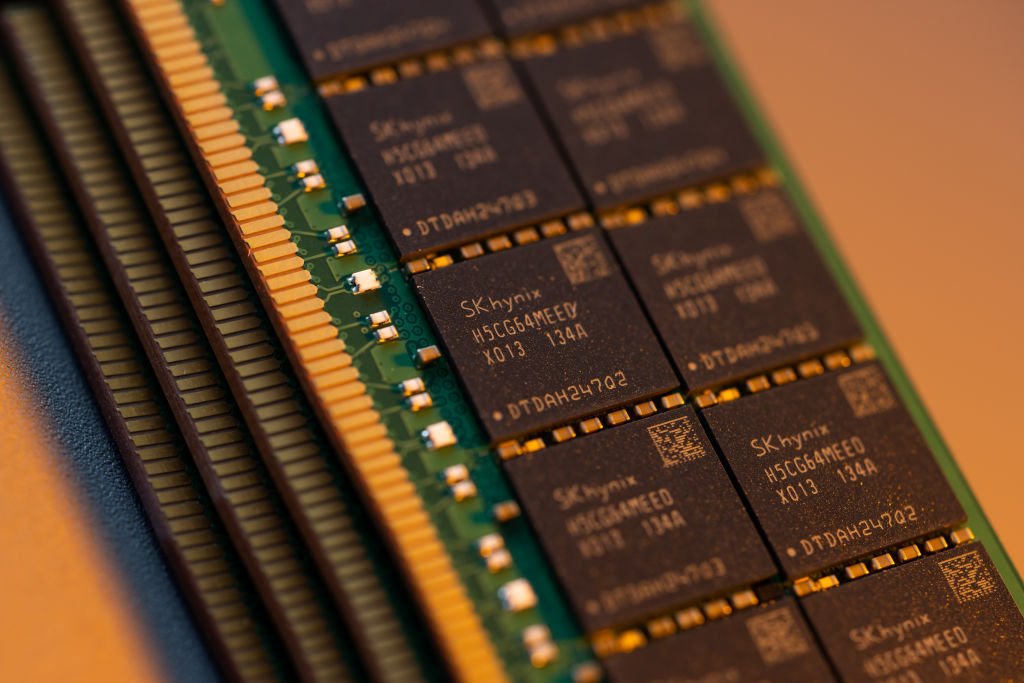
The logic for SK Hynix is straightforward. The company dominates the market for high-bandwidth memory, the specialized chips that power AI accelerators, and it has spent heavily to expand that lead. NAND, by contrast, is a commodity business marked by brutal price cycles, and consolidation has been the industry’s answer to overcapacity. Kioxia and Western Digital have repeatedly explored merging their flash businesses, and SK Hynix’s own purchase of Intel’s NAND operations, completed through its Solidigm unit, showed its appetite for scale. Control of Kioxia would give SK Hynix the second-largest NAND share in the world behind Samsung, creating a two-company oligopoly at the top of the market.
That prospect explains the caution in Kioxia’s own filing. Listing the SK Hynix connection as a risk factor is standard legal hygiene, but the language about conflicts of interest reflects a board that sees its largest shareholder’s ambitions as something to manage rather than ignore. Kioxia’s independent directors, its lenders and its customers in the data-center market will all want assurances that the company’s product roadmaps and pricing decisions are made on their merits, not as inputs to a Korean parent’s strategy. The 15% ceiling, which expires in 2028, is the formal guardrail; the informal one is the attention of the Japanese government.
Kioxia’s own path has been turbulent. The company filed for an initial public offering in Tokyo in late 2024, listing at a time when memory prices were recovering from a deep downturn, and its shares have traded in a wide range since. The company has ridden the AI boom as well: NAND demand from data centers has climbed alongside the build-out of AI infrastructure, and memory makers across the board have posted record results. Bain, which has held its stake for eight years, is widely expected to seek an exit as conditions allow, and each step of that process, from Toshiba’s trimming to the shareholder-order change, brings the endgame closer.
The timing is not accidental. Memory prices have recovered sharply over the past year as AI demand absorbed supply, and Kioxia, like its rivals, is generating cash again. Ownership changes and stake sales tend to cluster in good markets, when valuations justify transactions and buyers are willing to pay for control. The disclosure of the new shareholder order, tucked into routine filings, gives investors and the Japanese government an early look at where the company’s ownership is heading.
For now, the ownership table has a new top line. BCPE Pangea Cayman2, the Bain entity, stands as Kioxia’s largest shareholder, with Toshiba just behind and the Korean question hanging over both. The next chapter will be written in Tokyo, Seoul and Washington, where the question of who ultimately controls Japan’s last memory champion will be answered less by share counts than by politics.