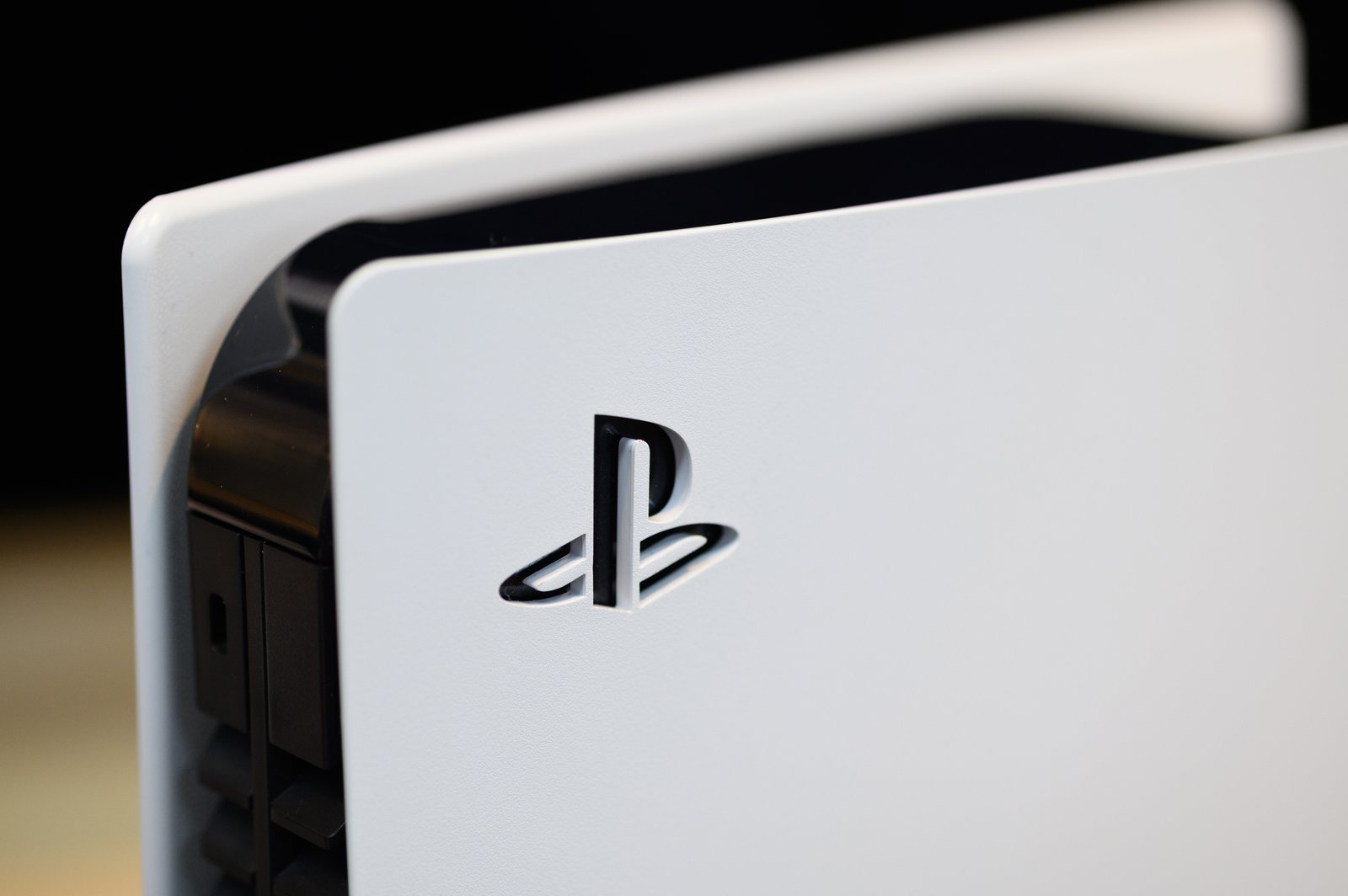
Sony said that starting in January 2028, new games for its PlayStation consoles will be released only in digital form, a decision the company has now posted prominently on its website, formalizing a transition that has been reshaping the games business for years.
The plan was first announced in July 2026, and its appearance in a more visible position on Sony’s site Tuesday was widely read as a signal that the company is committed to the timeline. Microsoft and Nintendo have not announced similar cutoffs for their own consoles, and the industry’s other platform holder, Valve, has been digital-only for its Steam store for years. But PlayStation’s installed base, measured in the hundreds of millions, makes Sony’s decision the most consequential in the history of physical game media.
The economics explain the move. Digital games carry no manufacturing, packaging or shipping costs, and they bypass the retailers who take a cut of physical sales. Publishers have pushed for years to shift sales online, and the share of games sold digitally has climbed steadily with every console generation. Physical discs now account for a small and shrinking minority of PlayStation software revenue, concentrated in a few markets and a few genres, and keeping the format alive requires manufacturing lines, distribution networks and store shelf space that the industry would rather abandon. Sony’s decision follows the logic that Nintendo applied to cartridge media decades ago and that every hardware maker eventually applies: when a format’s costs exceed its revenue, the format ends.
For the company, the transition simplifies a supply chain that has become an afterthought. Sony has already shipped PlayStation consoles with disc drives removed in its digital editions, and the 2028 cutoff for new games effectively completes the move. The announcement says nothing about older games: discs already in circulation, and the physical catalogs of earlier generations, will continue to work, and collectors who own the media will keep what they have. The cutoff applies to new releases, which means the format will fade out gradually as the pipeline of physical titles dries up.
The decision’s sharpest effects will land in the markets where physical media still matters. Japan, Sony’s home market, has a particularly strong culture of physical game buying, with second-hand stores, rental chains and a collector economy that treats game boxes as objects of value. European markets also skew physical, and retailers from GameStop to independent shops have built business models on disc sales and trade-ins. The 2028 cutoff does not kill those businesses overnight, but it sets a clock on them, and the reaction in Japan, where the announcement drew immediate attention, will test how much of the transition is consumer choice and how much is platform policy.
The second-hand market is the format’s other casualty. Physical games can be resold, loaned and traded, rights that digital purchases generally do not grant, and the resale market has been a point of tension between publishers and players for two console generations. Sony has experimented with limits on disc sharing in the past and backed away under pressure; the move to digital removes the question entirely. Consumer advocates and preservationists have argued that a digital-only future leaves games vulnerable to licensing lapses and storefront closures, and the 2028 decision gives those arguments a concrete target.
The shift also reshapes the economics of Sony’s own services. Digital storefronts give platform holders full control over pricing, promotions and the margins on every transaction, and they feed directly into subscription offerings like PlayStation Plus, which has become a growing share of Sony’s games revenue. A catalog that exists only as files is easier to bundle, to license and to rotate, and the 2028 cutoff makes the entire new-release pipeline available to whatever subscription structure Sony builds around it. Retailers, who once held sway as the physical gatekeepers of new game launches, lose that position entirely once the format is gone.
The announcement also reframes the competitive dynamic with Microsoft and Nintendo. Both rivals have reasons to keep physical media alive a while longer: Nintendo’s audience skews toward families and collectors who buy physical, and Microsoft has positioned its console strategy around services rather than media formats. But neither company can ignore the direction of the market, and analysts said the question is when, not whether, they follow. The platform holder that keeps physical discs longest will win the loyalty of collectors and the resentment of everyone else in the supply chain.
For the games industry, Sony’s 2028 date is the end of an era in the most literal sense. Physical media defined the business for four decades, from cartridges to discs, and its decline has been measured in quarterly percentages for years. The remaining questions, how resale works, how preservation is handled, how much of the industry’s revenue shifts to subscriptions, will be settled in a world where new games are simply files. Sony has now named the date when that world begins, and the rest of the industry will have to live with it.