The first Waymo vehicles will appear on Munich’s streets in the coming weeks, at first with trained drivers at the wheel, mapping the city’s roads and testing its traffic patterns. Alphabet Inc.’s autonomous-driving unit said Tuesday that it plans to open a commercial robotaxi service in the Bavarian capital toward the end of 2027, making Munich its first market in the European Union and its third outside the United States, after London and Tokyo.
The announcement is the latest step in a global expansion that has made Waymo the leading operator of driverless taxis in the world. The company runs commercial services in 11 U.S. cities, has completed more than 20 million rides, and says its vehicles have driven over 350 million kilometers without a human behind the wheel. Munich, the third-largest city in Germany, gives Waymo a foothold in Europe’s most important car market and a test of whether its technology can adapt to roads that are narrower, denser, and more regulated than those it has mastered at home.
The regulatory path is the hardest part of the European entry. Germany has created a legal framework for autonomous driving, and Waymo said it is working with the Federal Motor Transport Authority, state authorities, and local officials on the permits required to operate commercially. The company’s phased approach, mapping first, then testing with safety drivers, then driverless operation, is designed to build the evidence base that European regulators demand. Executives said the process will take time, and the target of late 2027 reflects that caution.
The competitive stakes are rising alongside the approval process. Tesla is preparing to launch its own Cybercab, and the race for the world’s robotaxi markets has intensified as both companies expand abroad. Barron’s noted this week that Waymo’s Munich move adds another front to what has become a global contest, with the two companies pursuing different strategies: Waymo’s purpose-built vehicles and gradual regulatory approvals, versus Tesla’s ambitions to scale faster with a different approach to hardware and validation.
Munich’s own mobility politics make it a demanding venue. The city has invested heavily in public transport, cycling, and pedestrian infrastructure, and it has been skeptical of some ride-hailing models. Waymo’s pitch to local officials has emphasized safety data and accessibility, including the argument that driverless vehicles can help people who cannot drive, such as the blind and visually impaired. The company has also promised local hiring and a fleet operation based in the city, an attempt to position the service as part of Munich’s infrastructure rather than an interloper.
The competitive field in Europe is filling in. Uber and the Israeli firm Autobrains announced a joint robotaxi program in Munich in June, and London has become a battleground where Waymo plans to launch commercial service in 2026. The density of activity reflects a belief that Europe, with its strict rules and cautious regulators, is the market where the winner of the robotaxi race will be decided, because approval there is the hardest to earn and the most transferable.
The Munich launch also carries symbolic weight for the German automotive industry. Germany’s carmakers have spent years developing their own autonomous-driving systems, and the arrival of a fully operational robotaxi service from an American company in their home market is a pointed challenge. Waymo’s technology stack, the suite of sensors and software it calls the Waymo Driver, has been refined over two decades and more than 350 million kilometers, and it is being deployed into a market where the local industry has struggled to move from demonstrations to services. The Bavarian capital, home to BMW and a dense network of suppliers, will be watching whether the foreign entrant makes the technology look easy.
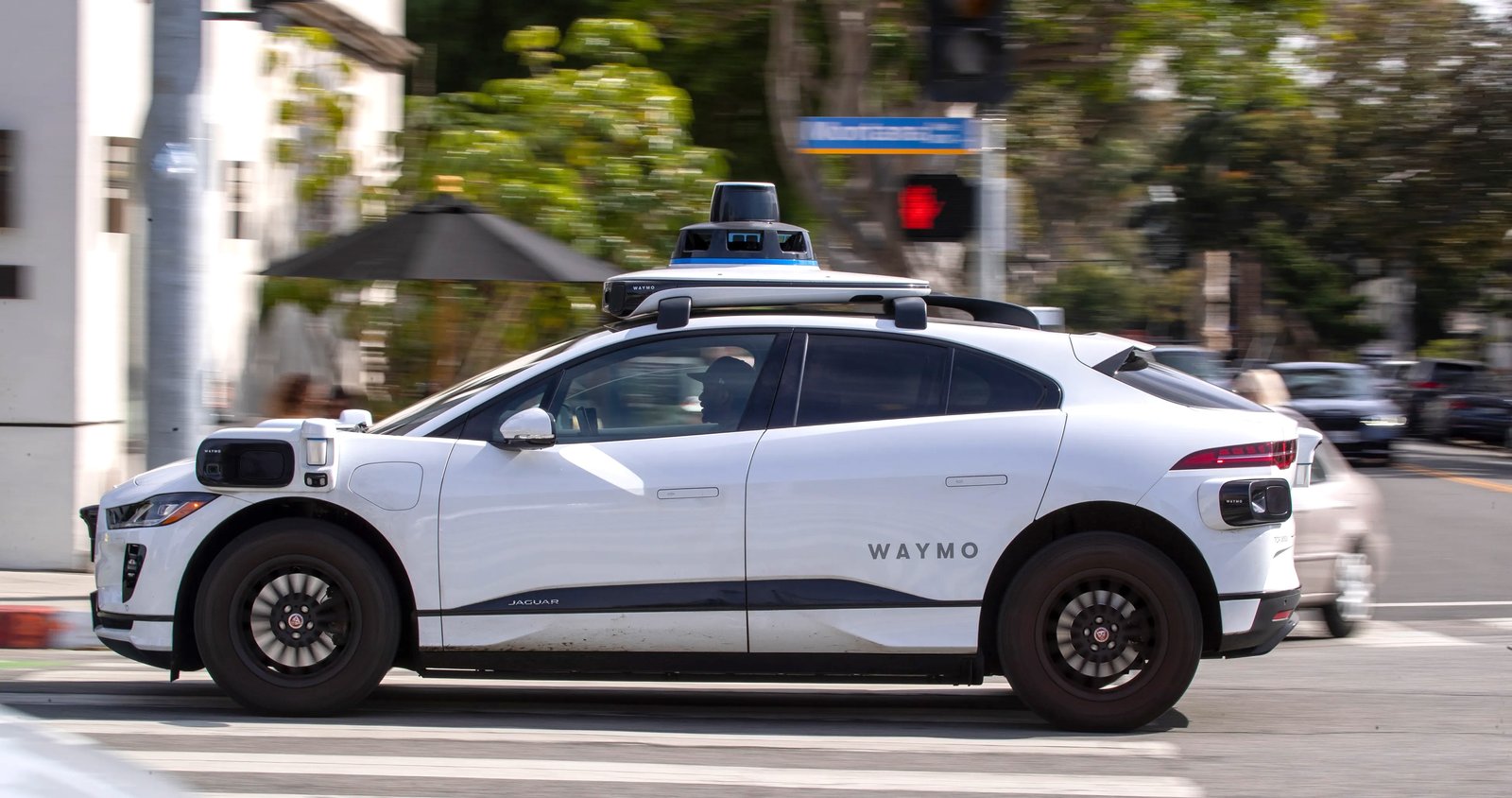
The operational playbook is well rehearsed. Waymo typically begins with manual mapping runs, using specially trained drivers to build high-definition street maps and record the quirks of local traffic, then moves to testing with safety drivers, then to driverless rides for employees and invited guests, and finally to public service. Each stage produces the data and documentation that regulators use to evaluate the system. Business Insider reported that Waymo will start Munich with a small initial fleet of upgraded electric Jaguar I-Pace vehicles, the same platform it uses in American cities, before deciding how quickly to scale.
The economics of the European market differ from the American ones. Ride-hailing in Germany is regulated at the city and state level, with licensing requirements and labor rules that vary by jurisdiction, and taxi lobbies have been politically powerful. Waymo’s answer has been to emphasize what the service adds rather than what it replaces: accessibility for people who cannot drive, integration with public transport, and a local fleet operation that creates jobs. The company’s co-CEOs have described the approach as earning trust city by city, and Munich, with its engineering culture and its cautious embrace of new mobility, is where that approach faces its first full test in Europe.
For Waymo, Munich is also a test of economics. The company has not disclosed its costs per mile, but analysts have said that expanding to new cities involves heavy upfront investment in mapping, depots, and regulatory work before revenue begins. The company’s U.S. operations are the closest thing the industry has to a proof that robotaxis can work at scale, and its ability to replicate that in Europe will determine whether autonomous ride-hailing becomes a global business or a regional one.
Waymo’s co-chief executive, Tekedra Mawakana, called Munich “one of the absolute top locations worldwide for mobility and technology,” and the company’s investment there is a bet that Germany’s engineering culture will embrace a technology it has been cautious about. The coming years will test that bet, city by city, regulation by regulation, in the most demanding market the industry has yet entered.