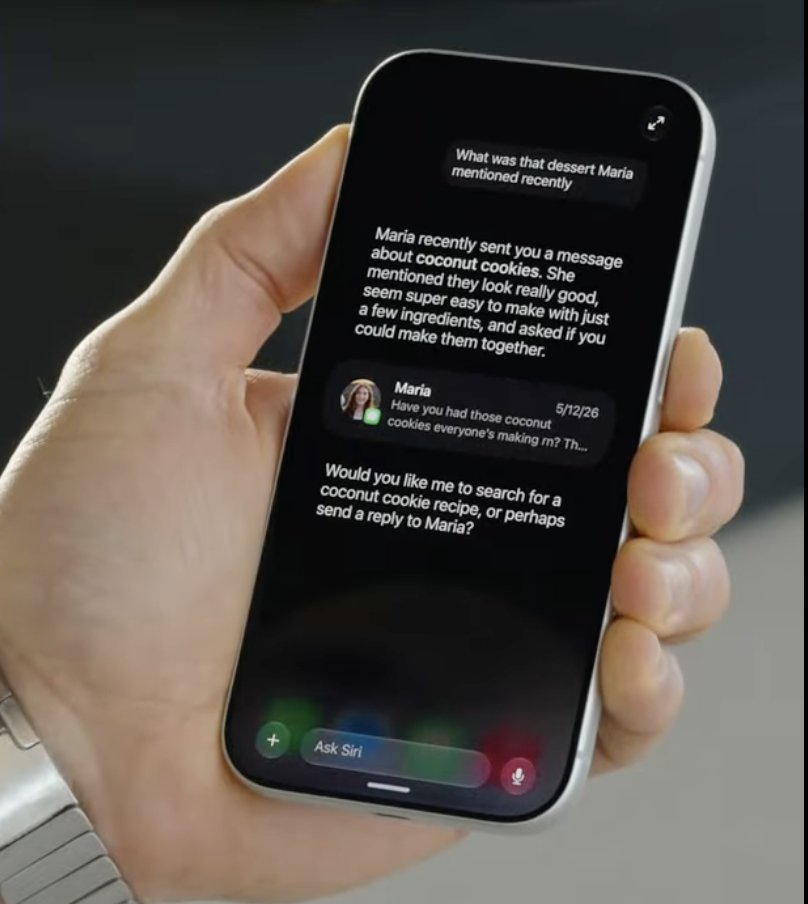
The advertisements were among the most polished Apple ever produced: a woman asking her phone to start a timer, a host asking Siri to queue up a recipe, a traveler asking about a museum’s hours. The class action that followed said the marketing promised more than the assistant could deliver, and that customers bought iPhones on the strength of features Siri did not actually have.
Apple has agreed to pay $250 million to settle the false-advertising case, according to court filings made public on Sunday. Eligible U.S. iPhone users can receive up to $95 per device, the filings show, with the total capped at the agreed settlement amount.
The settlement closes a case that embarrassed Apple on two fronts. The first was substance: plaintiffs argued the ads showed Siri performing actions, such as reliably pulling up the right photo or the right recipe, that the assistant could not consistently perform. The second was timing: the marketing campaign ran as Apple’s own engineers were still struggling with the assistant’s underlying capabilities, and as competitors were beginning to ship assistants that could do more.
Apple did not admit wrongdoing, a standard element of such settlements, and a company spokesman declined to comment beyond the filings. The agreement, if approved by the court, would cover a defined class of U.S. purchasers, with individual payouts scaled to the number of devices claimed. The claims process, lawyers involved in the case said, will likely take months to administer.
The $250 million is small relative to Apple’s cash position, which has exceeded $150 billion in recent quarters, and the company’s lawyers will no doubt note that the sum is a fraction of what the ad campaign generated in revenue. But the case carries a message for the industry at large: AI marketing has become a liability frontier, and companies that overpromise features still in development are increasingly paying for it later.
Siri’s struggles are well documented. The assistant has lagged its rivals for years, and Apple has promised a deeper overhaul built on its own large language models. The company is expected to detail its AI plans at its September 9 product event, the first major stage for John Ternus, who takes over as chief executive this week. For Apple, the settlement lands at an awkward moment: the company is about to ask the public to trust its new assistant, and the court record now contains a finding that its old one was oversold.
The case also highlights a divide in how the industry markets AI. Apple’s ads showed the ideal; rivals’ demonstrations showed the work in progress. Both approaches carry risk, but the Siri settlement establishes a precedent that advertising claims about AI features are enforceable promises. Plaintiffs’ lawyers, who have filed a wave of similar cases against other companies over AI capabilities, will cite it.
For consumers, the settlement is a modest rebate: most eligible claimants will receive a fraction of the $95 maximum, and the total per household is limited by the claims structure. For Apple, the cost is reputational as much as financial. The company has built its brand on products that work as advertised, and the Siri case is a rare instance of the courts saying one of its products did not.
The case’s origins go back to the advertising campaign Apple ran through 2024 and 2025, built around the assistant handling everyday tasks with effortless ease. Plaintiffs’ lawyers collected a series of user complaints showing Siri failing at exactly the tasks the ads celebrated: wrong timers, wrong recipes, wrong search results. The complaint alleged that Apple knew the assistant could not reliably perform the advertised actions and marketed it anyway, a claim Apple disputed.
The settlement structure follows the pattern of large consumer class actions. A claims administrator will solicit submissions from eligible owners, verify device records, and pay out on a per-device basis up to the $95 ceiling. Lawyers for the plaintiffs are expected to seek fees from the settlement fund, a standard request that will reduce the per-claimant amount. Class members who want more than the capped payout would need to opt out and sue individually, which few are expected to do.
The wider effect on the industry is harder to quantify. Several AI companies now run marketing that makes claims about what their assistants can do, and the Siri case gives their legal departments a concrete precedent to measure against. Some have already begun adding disclaimers; others have quietly slowed the release of demonstration videos that showed unreleased features. The settlement, in that sense, is doing regulatory work that no agency has done.
Analysts said the settlement removes a legal overhang but does not solve the underlying problem: Siri’s reputation. The September event will show whether the rebuilt assistant finally matches the marketing. If it does, the $250 million will look like cheap closure. If it does not, the next case may already be forming.