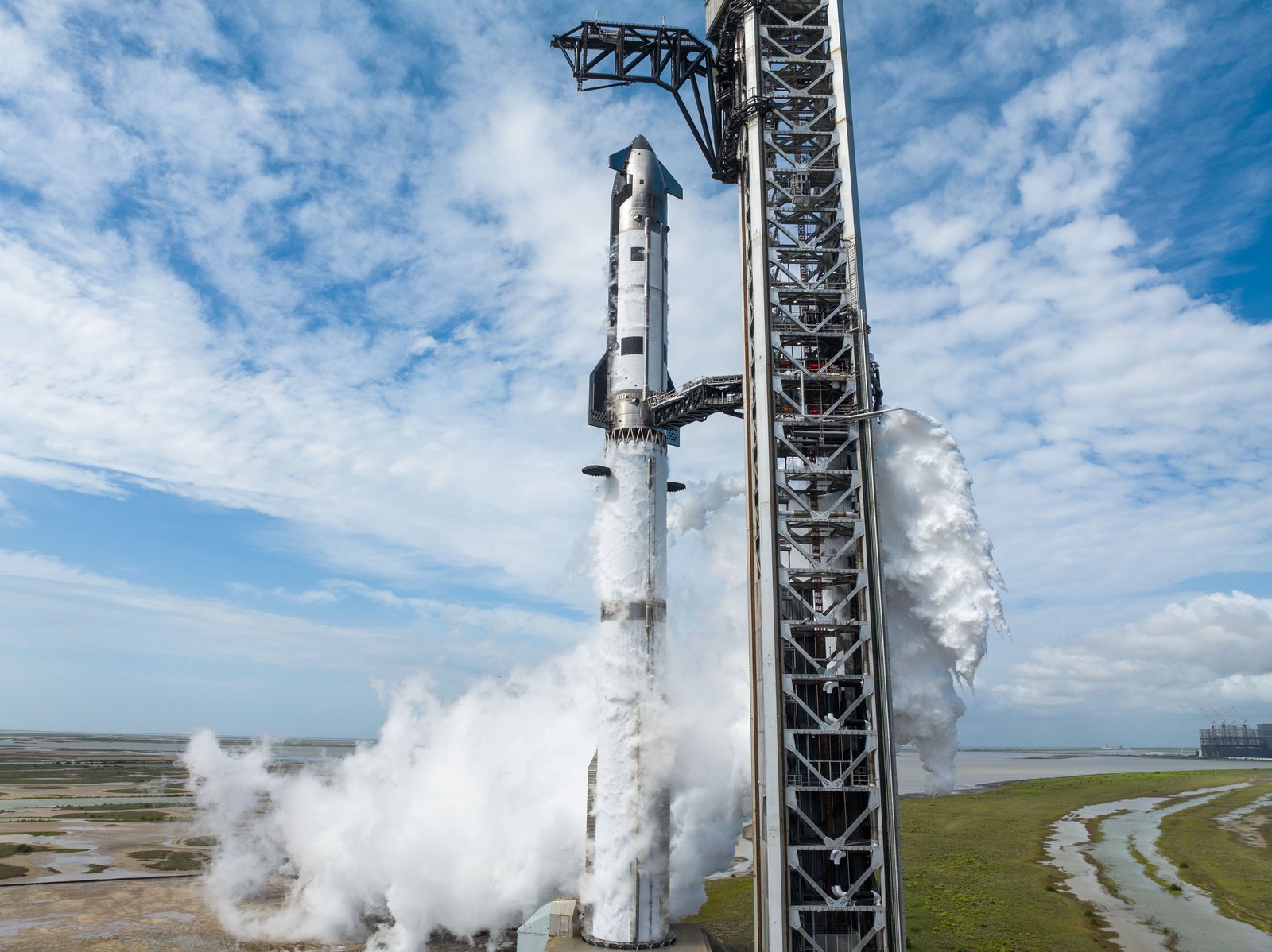
Around 11 p.m. on Saturday, the Brownsville City Council voted unanimously to cut 444 acres out of the city. The land, adjacent to SpaceX’s Starbase launch site on the Texas Gulf Coast, will no longer be subject to the city’s zoning rules. In exchange, SpaceX will pay $220 million to the city’s water project.
Disannexation is an unusual transaction. Cities rarely give up territory, and when they do, it is usually because the land is unserved, unpopulated or a liability. Brownsville’s case is different: the city has bet its identity on SpaceX, and the vote formalizes the bet. The land stays next to Starbase, the water payment flows to the city, and the zoning power that would have governed the site’s expansion moves away.
The mechanics matter more than the symbolism. With the land out of the city’s municipal jurisdiction, the zoning and permitting processes that govern new construction no longer apply to it. Starbase’s growth plans, which include expanded launch infrastructure, new assembly buildings and the support systems that come with them, can proceed without threading Brownsville’s approval process. For a company that treats time as the scarcest resource, the regulatory relief is worth real money.
The price works out to roughly $495,000 an acre, a substantial figure for Texas Gulf Coast land that was, until recently, mostly scrub and marsh. The payment is effectively a donation to the city’s water infrastructure, and it addresses the region’s most chronic problem: South Texas has struggled for decades with water supply, and a growing launch site only adds to the demand. The water project that the payment funds will serve the city and, in practice, the launch operations that depend on it.
The deal is the latest step in a long campaign by Elon Musk to control every inch of the launch site’s environment. Over the years, SpaceX has bought land around Starbase, sought regulatory carve-outs from federal and state agencies, and pushed for the kind of control that large industrial operators rarely achieve. The Brownsville disannexation fits the pattern: the company is not just building a launch site, it is building a jurisdiction of its own.
Brownsville’s calculus is straightforward. The city has embraced Starbase as its economic engine, and the numbers support the embrace: thousands of jobs, a growing tax base, and national attention that no other city its size receives. The $220 million water payment addresses the region’s most pressing infrastructure need, and the city’s leadership has argued that the deal gives Brownsville the water security it has never had, at a price paid by the company that needs it most.
Critics worry about what the city has given up. A municipality that surrenders its zoning power over 444 acres sets a precedent, and the next developer who wants a carve-out will have an easier argument. The council’s response is that the land in question was never going to be a neighborhood, that the launch site’s expansion is the city’s best economic bet, and that the water payment is a bargain compared with the cost of the region’s chronic shortages.
The broader pattern extends beyond Brownsville. SpaceX has pursued the same playbook around its other facilities: acquire land, seek regulatory relief, consolidate control. The company’s argument, repeated in hearings and filings, is that launch operations are inherently time-sensitive, that regulatory delays cost real money, and that the communities hosting its facilities benefit from the jobs and investment. The argument has been persuasive in Brownsville, where the council’s vote was unanimous and came without the public drama that has marked some of the company’s other dealings with its hometown.
The practical effect on Starbase’s expansion plans is significant. With the land out of city jurisdiction, the company can move on its own schedule for the infrastructure that a growing launch program requires: new pads, new processing facilities, and the utilities and roads that connect them. The federal government still has jurisdiction over launches themselves, but the ground-level approvals that slow most construction projects no longer apply.
The deal also carries implications for the city’s other major landholders. Brownsville’s industrial corridor has been transforming for a decade, and the SpaceX precedent will shape how the city negotiates with the next large tenant: if the price of a disannexation is a nine-figure infrastructure payment, the city’s bargaining position has improved.
The environmental review process, which would have applied to construction on the land under city jurisdiction, now falls to county and state authorities, a change that SpaceX executives have said will shorten project timelines by months. The company’s environmental record at Starbase has drawn criticism from conservation groups, and the disannexation removes one layer of review from a site that conservationists have long argued needs more oversight, not less.
The water payment’s structure matters as well. The $220 million is earmarked for the city’s water project, and the region’s water authority has said the funds will accelerate work on treatment and distribution capacity that had been scheduled over the next decade. The city’s residents, who have lived through periodic water restrictions, get the infrastructure first; the company gets the certainty of supply for a launch operation that consumes water by the million-gallon measure.
The vote was unanimous, and it was quiet. The most consequential acquisition of the weekend was not a merger announcement but a city council item that most residents will never read. Four hundred and forty-four acres, freed from the city’s rules, added to an empire that already controls the sky above it, at a price that will be measured in water for a city that has always needed it.