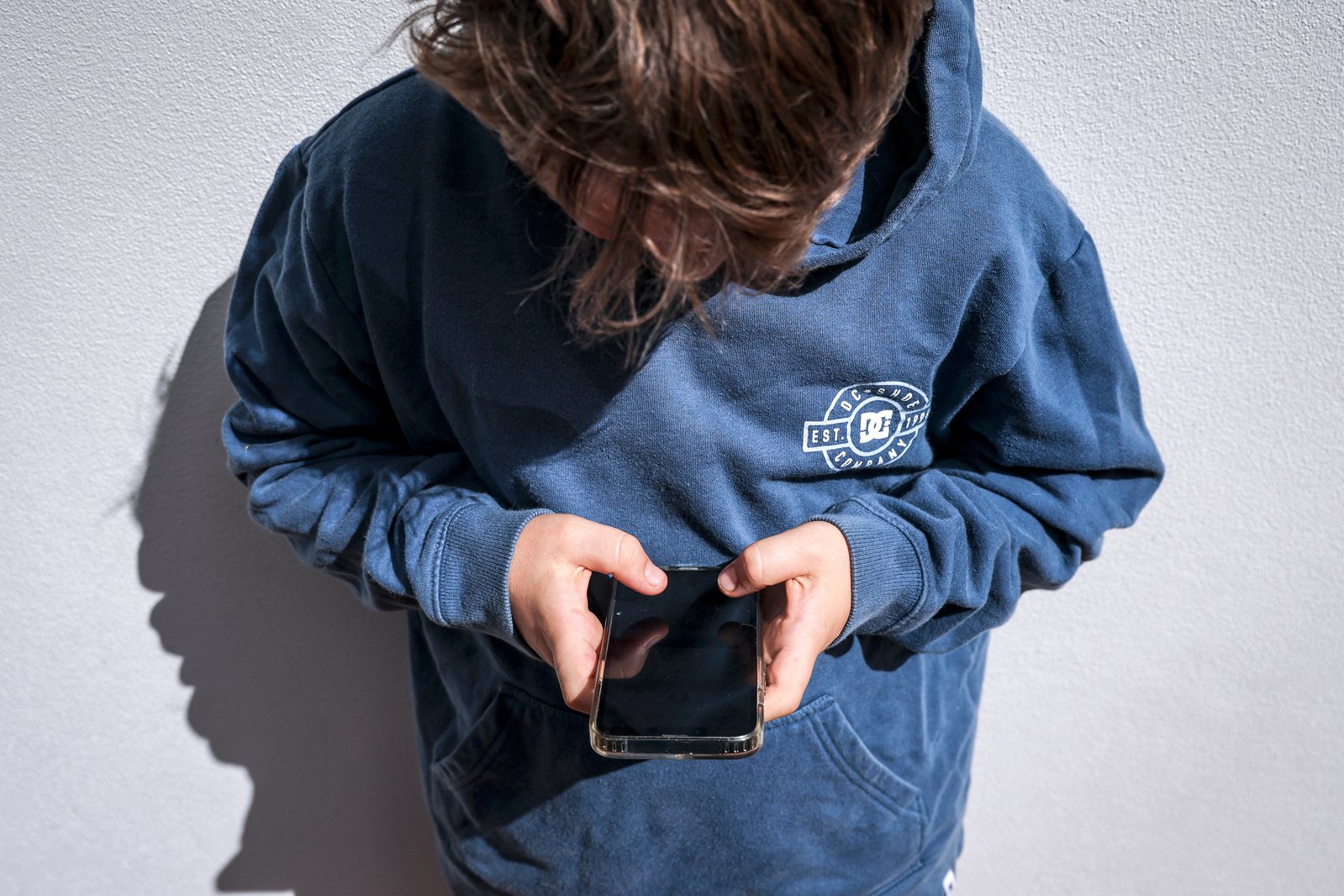
The Philippine government announced on September 1 that Meta and Roblox have agreed to implement safety measures for minors on their platforms, including age verification, parental controls and upgraded content moderation. The commitments, made public in a joint statement, mark a step in a years-long campaign by the Philippines, one of Southeast Asia’s most aggressive regulators of social media, to hold platforms accountable for how children use them.
The agreement is the product of sustained pressure. Philippine officials have repeatedly demanded that social media companies take responsibility for child safety, and the government has been among the most vocal in the region on the subject, pushing for laws and enforcement actions that go beyond what many neighboring countries have attempted. The new commitments do not have the force of law, but they give the government a documented set of promises to hold the companies to, and they put the Philippines at the front of a regional trend.
The measures themselves are familiar from the playbook that platforms have adopted in other markets. Age verification is the most contentious item: it requires platforms to confirm how old their users are, a technical challenge that has sparked privacy debates wherever it has been proposed. Parental controls, which let guardians limit what children can see and do, are less controversial but unevenly used. Content moderation upgrades, the third element, cover the enforcement side, the systems that find and remove material that is harmful to minors.
For Meta, the agreement is part of a broader effort to manage its reputation on child safety. The company, which owns Facebook and Instagram, has faced scrutiny from regulators and lawmakers around the world over how its platforms affect young users, and it has announced a series of safety features in response. The Philippine commitments give the company a way to show progress on a subject where it has been on the defensive, and the government’s announcement, coming from an outside authority, carries weight that the company’s own statements do not.
For Roblox, the stakes are different. The platform, a virtual world where users build games and socialize, is popular with children to a degree that few other products match, and it has been the subject of repeated reports about the risks minors face there, from grooming to exposure to inappropriate content. The company has invested heavily in safety systems, but it has also been criticized for the gap between its promises and what parents and researchers say they have observed. The Philippine agreement adds another layer of commitment to a company that is already under scrutiny in several jurisdictions.
The regional context matters. Southeast Asia has become a focus of platform regulation, with governments in Indonesia, Vietnam and Thailand all moving to tighten rules on social media, and the Philippines has positioned itself as the region’s most demanding enforcer. The agreement with Meta and Roblox is likely to be cited by other governments in the region as a template, and the platforms, which prefer to negotiate commitments rather than face legislation, have an incentive to comply in ways that are visible and documentable.
The limits of the agreement are also clear. The commitments announced on September 1 are high-level, and the execution details, the technical standards for age verification, the parameters of parental controls, the staffing of content moderation teams, have not been published. The Philippine government said the companies will work with regulators on implementation, but it did not set a timeline, and there is no public mechanism for measuring whether the measures are actually working. Agreements of this kind have a history of producing more press releases than change.
The agreement also matters for the platforms’ regional strategies. Southeast Asia is one of the fastest-growing internet markets in the world, and the companies that build trust there now will have an advantage as the region’s economies and user bases mature. Meta has invested heavily in the region, and Roblox has identified it as a priority market for growth. The commitments in the Philippines are, in that sense, an investment in market access: a demonstration of good faith that may smooth the way as the companies expand, and a template that other governments in the region are likely to ask them to repeat.
Analysts said the real test will come in enforcement. The platforms have agreed to do things they have largely promised elsewhere, and the question is whether the Philippine government has the capacity and the will to check that the promises are kept. The country has shown determination in its regulatory campaign, but enforcement requires resources, technical expertise and sustained attention, all of which are in short supply. For now, the agreement gives both sides what they wanted: the government a public commitment to cite, and the companies a way to demonstrate compliance before the pressure for legislation builds further.