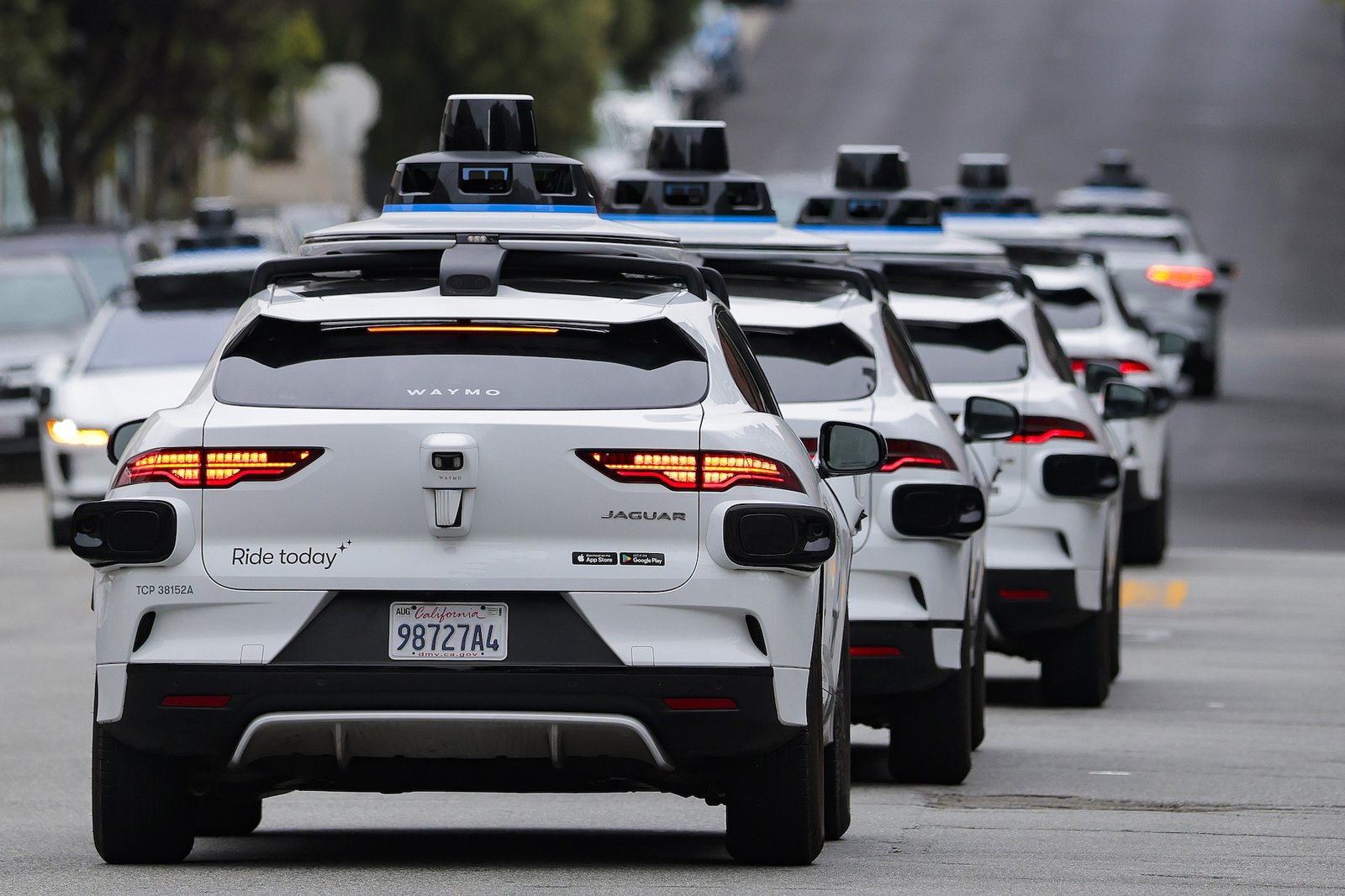
On September 1, Waymo, the self-driving unit of Google, extended its robotaxi service to Denver, San Diego and Tampa, adding three cities to a roster that already includes Phoenix, San Francisco, Los Angeles and Austin. The same day, Zoox, the Amazon-owned autonomous vehicle company, started testing its robotaxis in Houston. The simultaneous moves mark a shift in the driverless ride-hailing business: the competition is no longer about proving the technology works but about covering the map.
The expansion is a statement of confidence. Waymo has been operating paid robotaxi service for years, but its footprint, while growing, has been concentrated in a handful of cities. Adding three markets at once, in the Mountain West, Southern California and Florida, signals that the company believes its system is ready for wider deployment, and that it intends to be the first mover in cities where rivals have yet to establish a presence. The company has said it will begin with small fleets and expand as demand and regulation allow.
The choice of cities is strategic. Denver and San Diego are technology-friendly markets with educated populations and moderate climates, the kind of places where autonomous vehicles have found early acceptance. Tampa is a different bet: a mid-sized southern city with no major robotaxi presence, where Waymo will be introducing the technology to a new audience. The mix suggests Waymo is testing how its service performs across different geographies, traffic patterns and regulatory environments, gathering the data it will need to expand further.
Zoox’s Houston launch is aimed at the same prize from a different angle. Zoox has taken a distinctive approach to the robotaxi business, building a purpose-designed vehicle without a steering wheel rather than retrofitting existing cars, and it has been slower to launch commercial service than Waymo. Houston, Texas’s largest city and a hub of the energy industry, gives Zoox a major market to develop, and the company has said it will start with testing before opening the service to the public. Amazon’s backing gives Zoox the capital to be patient, but patience has a cost in a market where competitors are adding cities on a regular cadence.
The two companies are not the only players. Tesla has promised a robotaxi service of its own, though its rollout has been delayed repeatedly, and a growing list of startups has entered the market in recent years. But Waymo and Zoox, backed by the two largest cloud companies in the world, have become the reference points for the industry, and their expansion plans are being read by investors as a measure of how quickly the technology is being commercialized.
The economics of the business are still being worked out. Robotaxi operators must cover the cost of vehicles, sensors, software development, safety operators and, eventually, remote monitoring teams, and none of the major players has disclosed consistent profits from ride-hailing. The path to profitability runs through utilization: cars must be on the road carrying passengers for as many hours a day as possible, which requires both demand and geographic coverage. Every new city adds supply, but it also adds the base of demand that utilization depends on.
Regulators are the other variable. Autonomous vehicle deployment in the United States is regulated primarily at the state and local level, and each new city brings a new set of rules, permits and public hearings. Waymo has navigated those processes in California and Arizona for years, and its expansion suggests the playbook is portable. Zoox’s Houston testing will test Texas’s comparatively permissive approach to autonomous vehicles, which the state has courted with light-touch regulation designed to attract the industry.
The expansion also has implications for the ride-hailing incumbents. Uber and Lyft have watched the robotaxi build-out with a mixture of interest and alarm, partnering with autonomous vehicle companies in some markets while competing with them in others. If Waymo and Zoox succeed in building city-by-city coverage, the economics of ride-hailing, where driver pay is the largest cost, change fundamentally. Neither incumbent has a credible autonomous vehicle program of its own, and analysts said the clock is ticking on their ability to adapt.
For passengers, the expansion means the technology is becoming a normal part of urban life in more places. Denver riders will flag a Waymo the way they would an Uber; Tampa residents will see driverless cars in traffic for the first time. For the industry, the same day marked a turning point of a quieter kind: the cities where robotaxis are absent, not the cities where they run, are becoming the exception. The race to cover the map has begun, and the map is large, with most American cities still without any robotaxi service at all.