The first videos appeared online Wednesday evening, shot by drivers and pedestrians who could not quite believe what they were seeing: two-seat cars moving through Austin traffic with no steering wheel and no pedals, piloted only by cameras and the company’s AI4 computer. Tesla’s official account told Austin users to try one. Elon Musk posted on X that a “Cybercab storm” had arrived.
State records back up the show. By Wednesday evening, Texas Department of Motor Vehicles records showed 45 Cybercabs approved for driverless operation, more than a tenth of the 420 driverless vehicles the state has authorized across all companies. The cars are running on public streets with no one aboard, under a framework Texas built to let autonomous vehicles operate statewide.
The rollout converts a concept into a service barely two years after it was introduced. Mr. Musk unveiled the Cybercab in October 2024 at a Hollywood event he called “We, Robot,” presenting a prototype with no controls and promising a price under $30,000 and production before 2027. The company has a history of promising robotaxis and missing its own deadlines: Mr. Musk first predicted a driverless fleet in 2019, and the dates moved repeatedly. What is different now is that the vehicles are real, approved and circulating without anyone at the wheel.
Thursday evening, Tesla planned to hold a launch event at Giga Texas, its factory outside Austin, where Mr. Musk was expected to announce how quickly the driverless fleet will grow, which cities come next and how the service will be priced. Analysts at Morgan Stanley said in a note that a substantive expansion plan could restore momentum to a stock that has drifted while investors waited for proof that robotaxis can move from demonstration to revenue.
The Cybercab joins a fleet already earning money in Texas. Tesla has operated a robotaxi service in Austin with its Model Y sport-utility vehicles since last year, and it says that program, now running in Austin, Dallas and Miami, has logged more than 380,000 miles without an accident. The Model Y cars carry safety drivers in some operations and run empty in others; the Cybercab is the first Tesla designed from the floor up with no controls at all.
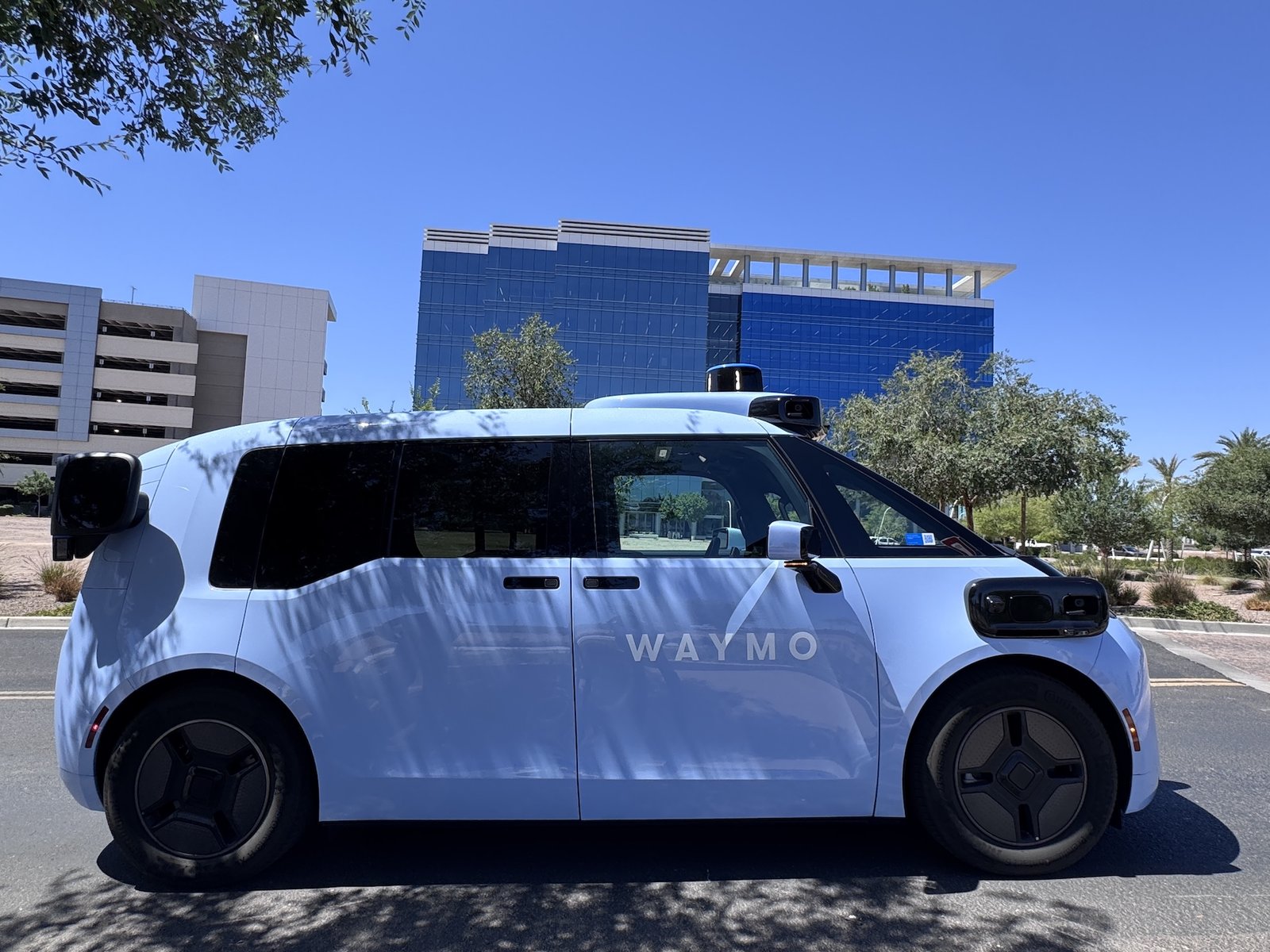
Tesla’s approach sets it apart from rivals such as Waymo, which outfit their cars with lidar and detailed maps. The Cybercab relies on cameras and neural networks trained on billions of miles of driving data, a design Mr. Musk argues is cheaper and easier to scale because the same hardware and software already sit in every Tesla on the road. Skeptics note that the camera-only system has yet to prove itself in the messy conditions that lidar-equipped rivals have handled for years.
Federal safety regulators have scrutinized Tesla’s driver-assistance software for years, and the expansion of a fully driverless fleet is likely to draw renewed attention, especially after any incident. Texas imposes its own reporting requirements on companies operating driverless vehicles, and state records will show how often the Cybercabs need human help. The open questions extend to the service itself: how far the fleet is allowed to roam, how it performs in rain and night traffic, and how the company prices rides against Uber and Waymo in a city where all three now compete.
The economics are also untested. The Cybercab seats two passengers, a design that suits the solo trips that dominate ride-hailing but caps the revenue of any single ride. Mr. Musk has argued that removing the driver collapses the cost of a trip below the cost of owning a car, which would let Tesla price aggressively while still collecting a margin. Analysts who model the business say the math depends on utilization: a two-seat car that sits idle is worse than a sedan that stays busy, and utilization will be decided by how widely Tesla spreads its service area.
There is a strategic logic to Austin as the starting point. Texas is Tesla’s home turf, with Mr. Musk having moved the company’s headquarters there, and the state has one of the most permissive regimes for driverless vehicles in the country. Beginning in a single city lets Tesla tune the service and the software before exporting the formula to other states, though the company has said little about which ones come next.
Competition in Austin is already forming. Waymo runs its own driverless fleet in the city, and Texas has become the industry’s most crowded test bed, with more than 400 driverless vehicles authorized across the state. The Cybercab’s arrival turns that competition into a head-to-head test of approaches: Waymo’s lidar-laden cars against Tesla’s bet that cameras alone, at a fraction of the hardware cost, can match them.
For investors, the evening’s stakes were simple: whether the 45 cars on Austin streets become hundreds, then thousands, on a timetable investors can believe. Mr. Musk has long argued that a driverless fleet would make Tesla worth far more than its car business alone. The question now is whether the company can finally deliver the fleet that makes that argument true.