The endorsement arrived from Berlin with none of the hesitation that usually greets a takeover. Delivery Hero’s supervisory board and its management board on Wednesday jointly declared Uber’s $15 billion offer fair and adequate, unanimously recommended that shareholders tender their shares, and signaled that the German company was ready to operate under its new owner. For Uber, the blessing clears the biggest obstacle between its offer and its goal.
The two boards rarely speak with one voice so early in a process. Their statement also handed Uber what it needed most: certainty about the vote. Uber, already Delivery Hero’s largest shareholder, set the acceptance threshold at a bare majority of shares, and Prosus, the Dutch investment group that holds the company’s second-largest stake, has agreed to sell its 17 percent holding into the offer. Together those pieces leave little room for a rival bidder to interfere, people familiar with the matter said.
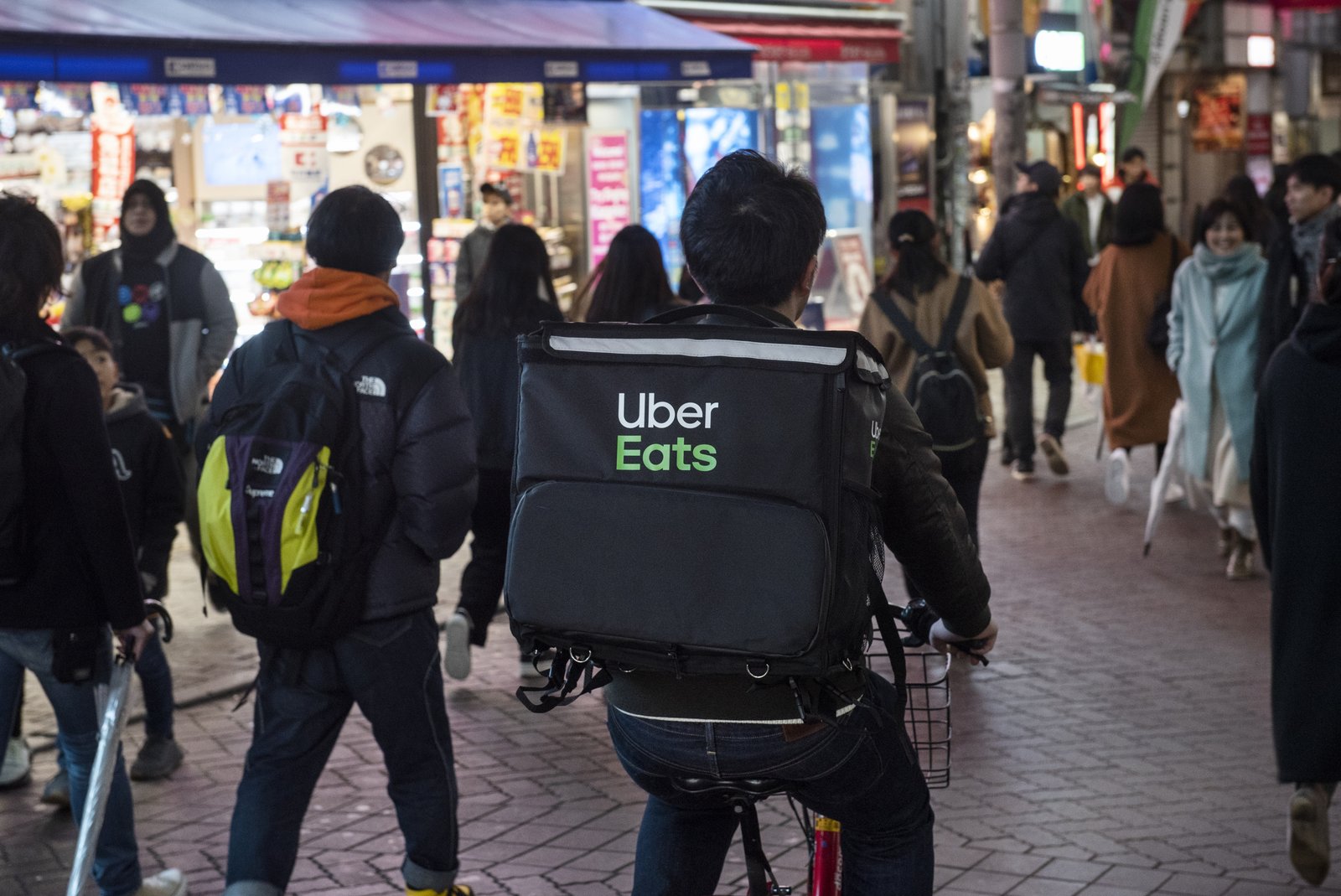
The transaction would roughly double the size of Uber’s delivery footprint and create one of the largest on-demand delivery networks outside China, standing directly against DoorDash and Just Eat Takeaway in a global market that is consolidating quickly. Delivery Hero runs local platforms across dozens of countries in Europe, the Middle East, Asia and Latin America, many of them under brands consumers know better than the parent company’s name. Uber Eats brings a rival logistics network, a large pool of ride-hailing customers and a balance sheet built for the fight.
The deal is the biggest expression yet of a shakeout that has been running for more than a year. Delivery platforms spent years burning cash to subsidize orders, and the investors who financed that spending have lost patience. The result has been a wave of mergers: Uber bought Turkey’s Getir, Grab took over Foodpanda’s business in Taiwan, and DoorDash agreed to swallow Britain’s Deliveroo. The logic in each case was the same: scale is the only durable defense against margins that vanish whenever two companies compete for the same order.
Delivery Hero’s path toward the sale has been visible for months. The company has been pruning its weakest markets, agreeing in recent months to sell the businesses it runs in 14 countries where its network overlapped with Uber Eats to SSW Partners, a U.S. investment firm, for $1.6 billion. Analysts read the divestiture as a remedy prepared in advance, clearing away the overlaps that competition authorities would otherwise seize upon before blessing the combination.
For Uber, the deal is the centerpiece of a broader argument to investors: that delivery can be a second engine beside ride-hailing, earning real profits rather than subsidizing growth. The company’s chief executive, Dara Khosrowshahi, has spent two years steering the division toward profitability, pruning markets where Uber Eats could not win and buying scale where it could. Delivery Hero fits the second category, adding leadership positions in regions where Uber was a challenger or absent.
The transaction still requires regulatory approvals across the dozens of markets where Delivery Hero operates, and it must pass a shareholder vote. Because the most direct overlaps were removed in the SSW sale, competition authorities are expected to concentrate on how the combined platform treats the restaurants and couriers that depend on it rather than on blocking the deal outright. Delivery Hero shareholders who accept will receive the offer price; those who do not will keep stock in a company whose dominant owner controls the board, an arrangement that often ends in a later squeeze-out of minorities, several analysts noted.
The consequences for rivals are substantial. DoorDash and Just Eat Takeaway now face a competitor that pairs Uber’s engineering and its base of ride-hailing customers with Delivery Hero’s reach in markets from the Gulf to Southeast Asia. Both companies have been consolidating in response, and industry executives expect the wave to continue: the delivery business has entered a phase in which size decides who pays the couriers, the marketers and the engineers, and who gets bought instead.
There are risks in the math as well. Delivery margins remain thin even for the largest platforms, and integrating networks built in dozens of countries under separate brands rarely goes as smoothly as the spreadsheets suggest. Uber will also carry Delivery Hero’s debts and its obligations to restaurants and riders in markets where growth has slowed. The board’s blessing clears the path, people close to the process said, but the hard work of making the combination profitable begins only after the deal closes.
For the moment, the industry’s long price war is being settled with checkbooks rather than coupons. Uber has won the consent of the company it wants, and the biggest deal in delivery history now depends on regulators and on shareholders who have been told their stock is worth exactly what Uber is offering.