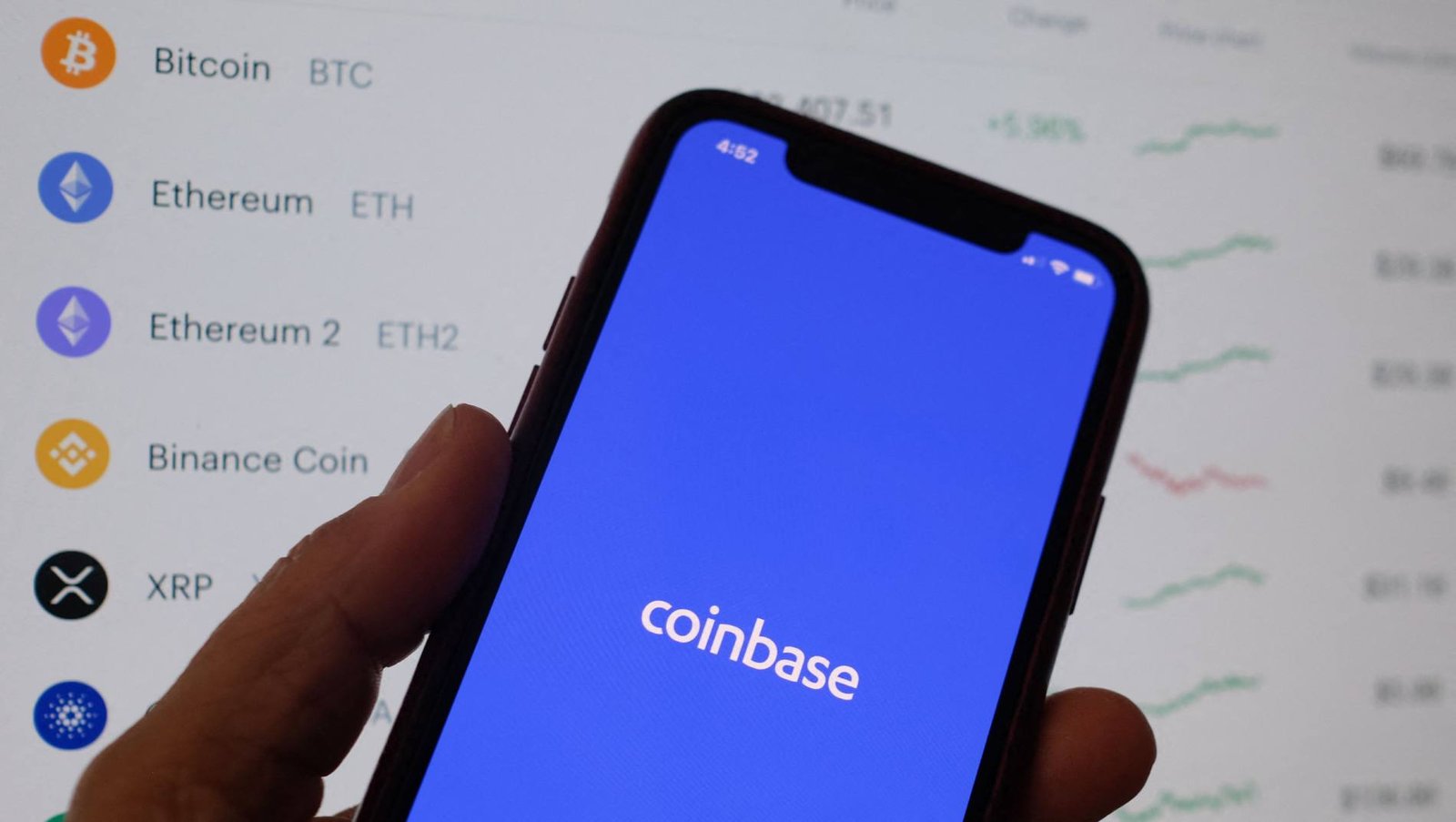
Until now, an AI assistant could tell you what your portfolio was worth or summarize the market, but it could not touch the money. On September 10, xAI changed that. The company said its assistant, Grok, is now natively integrated with Coinbase, letting users check balances, analyze holdings and, crucially, place and cancel trades from inside the chat.
The difference from what came before is the write access. Earlier third-party connections let Grok read data, a one-way view. This integration, built jointly by xAI and Coinbase, hands the assistant the ability to act on a person’s account, a step that moves AI from observer to operator of personal finance.
What remains unclear is how much friction sits between the assistant and the trade. Neither company detailed whether a buy or sell requires a final confirmation from the user, or whether Grok can execute once a standing instruction is given. That unanswered question is where most of the risk lives.
The promise is convenience. A user could, in theory, describe a goal in plain language, cut a losing position or rebalance a portfolio without opening the Coinbase app. For people who already live inside a chat interface, the appeal is real, and the two companies are betting it will pull users deeper into both products.
The risk is that language is a dangerous way to move money. A request misheard, a price misread or an instruction phrased loosely could lead to a trade the user never intended, and the systems designed to prevent that, confirmations, warnings, human review, are precisely the ones a chat interface is meant to strip away.
Coinbase is one of the largest cryptocurrency exchanges in the United States, with tens of millions of users and a publicly traded stock that has made it a bellwether for the industry. The company has been expanding beyond trading into payments and other financial products, and an assistant that can act on its accounts extends that reach into a new interface.
For Coinbase, the integration is a bet on distribution. The exchange has spent years trying to be more than a place to buy and sell, and tying its accounts to a widely used AI assistant puts its tools in front of users who may never open a dedicated app. The question is whether that reach is worth sharing control of the account.
For xAI, the deal is about usefulness. Grok has been pushing to become a general assistant that can act in the world, not just answer questions, and money is the clearest test of whether users will trust an AI with something consequential. If people let Grok trade, the argument for letting it do more gets stronger.
The financial industry has been cautious about AI that acts on accounts. Banks and brokerages have largely kept assistants read-only, worried about liability, regulation and the risk of error. Coinbase’s willingness to go further puts it ahead of most incumbents, and the outcome will be watched closely by the rest of the sector.
Regulators have shown increasing interest in AI systems that touch financial decisions. The companies behind the integration will need to show that the controls are adequate, and any incident, a wrong trade, an unauthorized move, would draw scrutiny quickly. The permission boundary has become a compliance question as much as a product one.
Security is the other axis. An assistant with the ability to trade becomes a target, and a compromised account or a prompt that tricks the model into acting could have direct financial consequences. The companies have said the integration is secure, but the standard for security rises sharply when the system can spend money.
The announcement arrives as AI assistants race to move from information to action. Across the industry, companies are wiring their models to tools that book flights, manage calendars and now move funds, betting that the assistant people trust for answers will become the one they trust for everything.
Whether that trust extends to trading will depend on what actually happens when the first user asks Grok to sell. If the trades are clean and the confirmations clear, the category grows. If the first mistakes surface, the hesitation that has kept banks on the sidelines will look prescient.
For now, the integration is a signal more than a product shift. The number of users who will hand an AI the keys to their portfolio is unknown, and both companies will be learning from early behavior. But the line has been crossed, and it will be hard to walk back: an AI assistant can now move real money, in real accounts, at a user’s word.
The next few months will reveal how that power is used and misused. Coinbase and xAI have built the plumbing; what they have not yet shown is whether the safeguards are strong enough to survive a market, and a user base, that does not always say exactly what it means.