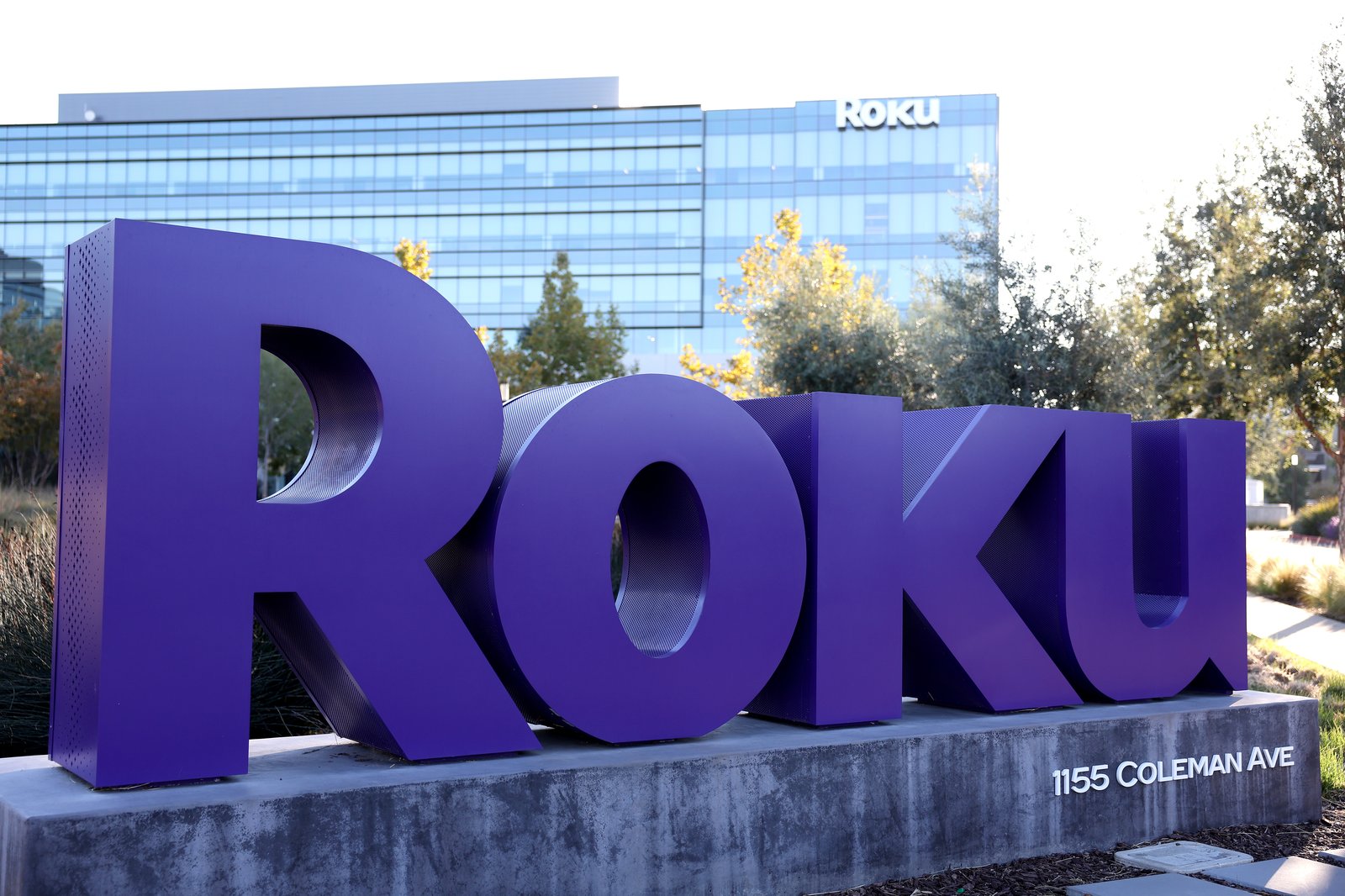
Roku began as a way to put Netflix on a box next to the television, and it grew into a platform that sits between millions of Americans and whatever they watch. On September 8, the Justice Department asked Fox and Roku for more than the two companies have already provided, a request that pushes the $22 billion deal to buy that platform into deep review.
The request, disclosed September 9, is a second request, the formal step by which antitrust regulators demand additional data and documents before deciding whether to challenge a merger. The deal now is not expected to close until the first half of 2027, a delay of months from the schedule the companies had described.
Fox agreed earlier to buy Roku for $22 billion, or $160 a share, a price that values a streaming-hardware and advertising business at a premium. The deal would give Fox, which owns broadcast and cable networks, a direct line to the streaming households where audiences have been migrating.
The second request is not a finding of any violation. It is a signal that regulators want a closer look at how the combined company would affect competition in advertising, streaming distribution and the hardware that carries it, according to people familiar with the review.
The backdrop is unusually political. Fox’s controlling shareholders, the Murdoch family, have long relationships with the current administration, and the transaction has been watched as a test of how Washington will treat large media deals under a Republican government that has been friendly to some consolidations and hostile to others.
Analysts said the review will hinge on how regulators define the market. If the market is all of advertising and streaming, the deal looks manageable. If regulators treat connected-TV platforms and the ad inventory they control as a distinct market, the combination of Fox’s content and Roku’s distribution looks more concentrated.
Roku makes its money less from selling boxes than from the advertising and subscription fees that flow through its software. The company has built a fast-growing ad business by selling space to streamers and brands that want to reach viewers at the point where they decide what to watch. That ad inventory is what Fox most wants.
Fox has watched its traditional television business shrink as cable subscriptions fell, and it has been assembling a streaming strategy piece by piece. Roku would give it both the audience and the advertising engine to monetize content without building a rival to Netflix from scratch.
Roku’s position is the reason the deal drew scrutiny. The company reports tens of millions of active accounts and is the default operating system for many budget televisions, giving it a gatekeeper role over what viewers see and what advertisers can reach. Combining that with a major content owner raises questions about self-dealing.
Fox has argued the deal is pro-competitive, giving a traditional broadcaster the scale to invest in streaming at a time when giants like Netflix and Amazon dominate the sector. The company has said it expects to complete the transaction after the regulatory process runs its course.
The timing matters for both sides. Roku’s shareholders are locked into a $160-a-share offer while the clock runs, and the longer the review lasts, the more exposure they carry to a market that could move. Fox, meanwhile, has tied up capital and attention in a deal that may not close for more than a year.
Media consolidation has slowed in recent years as regulators grew more skeptical of vertical combinations that marry distribution and content. The Fox-Roku review will be read by the industry as a measure of whether that skepticism has softened under the current administration.
The second request is common in large deals; most do not end in a challenge. But it resets the calendar, and in a sector moving as fast as streaming, a year and a half is a long time. Both companies will spend it producing documents, answering questions and waiting for a decision that will set the template for the next round of media mergers.
For Fox, the delay also carries an opportunity cost. The company could have pursued other uses for the capital, and every month the deal sits in review is a month its streaming strategy is on hold. The board has committed to the purchase, but the commitment now runs through a process it does not control.
What regulators will ultimately decide is unknowable from outside. The second request means the analysis has only just begun, and the questions asked in the next months will reveal which parts of the combination worry the government most. Until then, the deal moves from a transaction into a proceeding.
For the broader industry, the case is a test of where the line now sits. Fox wants to own the screen and the software behind it; regulators must decide whether that is a sensible consolidation or a step too far toward a market where the company that controls the content also controls the glass it plays on.