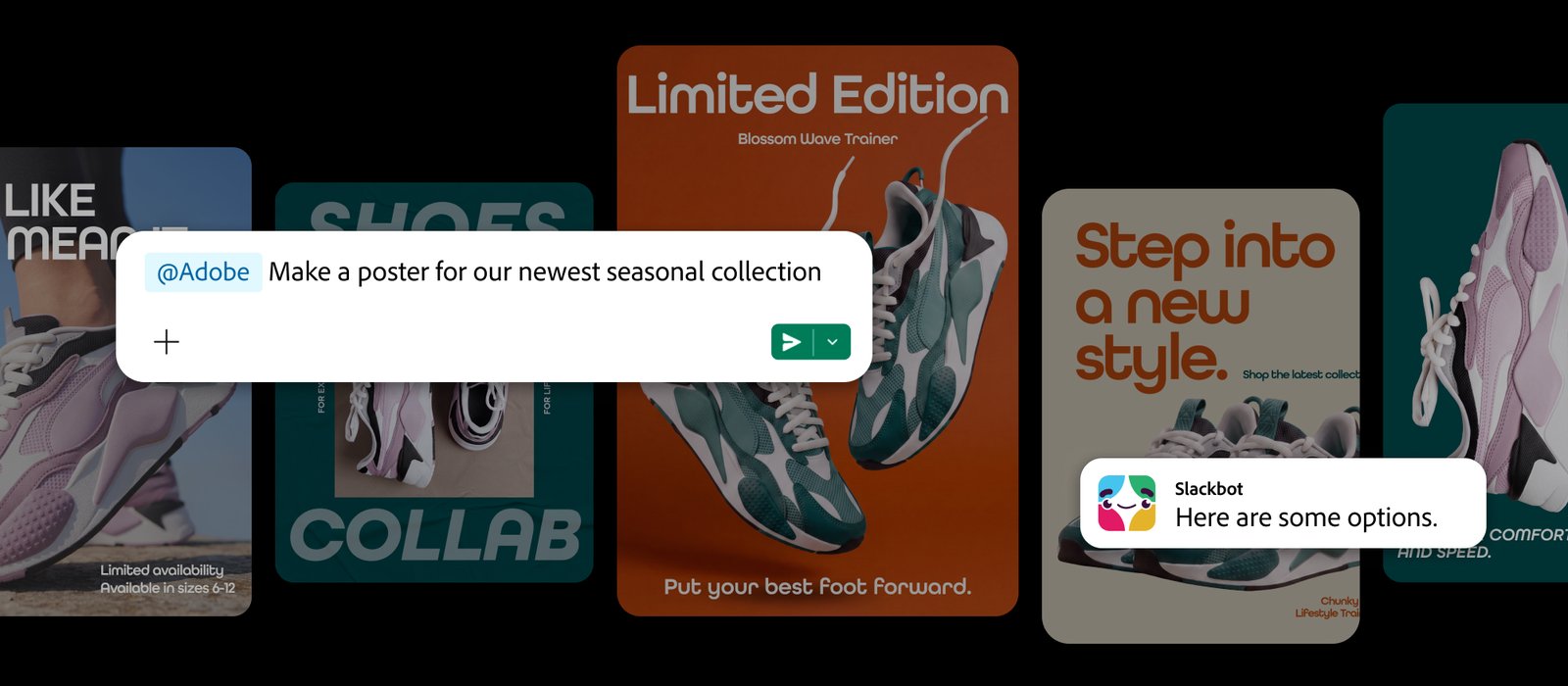
Adobe’s ads were the kind OpenAI used to welcome. Now they are not. OpenAI has told some of its business partners that it will no longer accept ads in ChatGPT for image- and audio-generation products that compete directly with its own features, according to people familiar with the matter. Adobe, which sells exactly those kinds of generative AI tools, was among the advertisers caught off guard.
The policy change has not been made public, and it has not been added to OpenAI’s official advertising policy page. The people who described the move said the restriction targets categories where the advertiser’s product overlaps with what ChatGPT itself can do. The company did not say how many advertisers were affected or when the change took effect.
The move lands on a business that OpenAI has told investors will grow aggressively. Advertising is a central part of the company’s plan to extract value from its enormous base of non-paying users, who outnumber subscribers by a wide margin. Ads give OpenAI a way to monetize people who will never buy a subscription, and the company has pitched a steep growth curve to its backers.
That pitch now runs into a conflict. The advertisers most interested in reaching AI users are often other AI companies, and those companies increasingly compete with OpenAI. Cutting them off shrinks the pool of potential ad dollars, a trade-off the company appears willing to accept to protect its own product lines.
Adobe is an instructive case. The design-software giant sells generative image tools that compete with OpenAI’s image features, and it has been a visible advertiser in the AI space. The new rule means Adobe and similar companies cannot buy their way into ChatGPT at the exact moment the chatbot is becoming a distribution channel for creative software.
OpenAI’s advertising ambitions are young. The company has been building out its ads business cautiously, testing formats rather than flooding the product, and it has said little publicly about revenue. Analysts said the internal targets are far more aggressive than the public posture, which is why a self-imposed restriction on a category of advertisers is notable.
The decision reflects a broader question about how OpenAI balances its roles as a platform and a product maker. A neutral platform would sell ads to anyone. A product company defends its features by keeping rivals out. OpenAI, for now, is choosing the second role, at least in the categories closest to its own output.
If the ban widens to other competitive categories, the cost could mount. Advertisers that compete with OpenAI across text, video, and coding tools represent a meaningful share of the companies that would otherwise want to reach AI users. Each exclusion narrows the market OpenAI is trying to build.
OpenAI has not said whether the restriction will be written into its public policy, which currently governs issues such as content standards and prohibited categories. The gap between the quiet notices sent to partners and the unchanged public page suggests the company is still deciding how broadly to apply the rule and how openly to describe it.
For advertisers, the episode is a warning that distribution inside a rival’s product is not guaranteed. Companies that built plans around reaching ChatGPT’s users through ads now face the risk that the rules will shift as OpenAI’s own product roadmap expands. The competitive overlap that made them want the placement is the same overlap that can get them barred from it.
Analysts said the advertising business is still small relative to OpenAI’s subscriptions and API revenue, which means the near-term financial impact is limited. The longer-term question is whether OpenAI can hit the growth targets it has shown investors while excluding some of the advertisers most eager to pay.
The ad business OpenAI is building sits on a large audience. ChatGPT’s free tier reaches hundreds of millions of users, and advertisers see that traffic as a way to reach people while they are already using AI. The company has moved slowly, testing placements rather than opening the floodgates, which makes the exclusion of image and audio rivals a quieter but still significant line.
The competitive overlap will only grow as OpenAI ships more product. Image generation is already a core feature, and audio tools are on the roadmap. Each new capability expands the list of advertisers that the company might consider too close to exclude, tightening the ad pool at the same rate the product roadmap grows.
The company has framed advertising as a way to keep the free product free, and that logic still holds. What the new rule shows is that OpenAI will not let that revenue stream grow at the expense of its own products. Rivals that once viewed ChatGPT as a place to advertise may now have to view it simply as a competitor.