
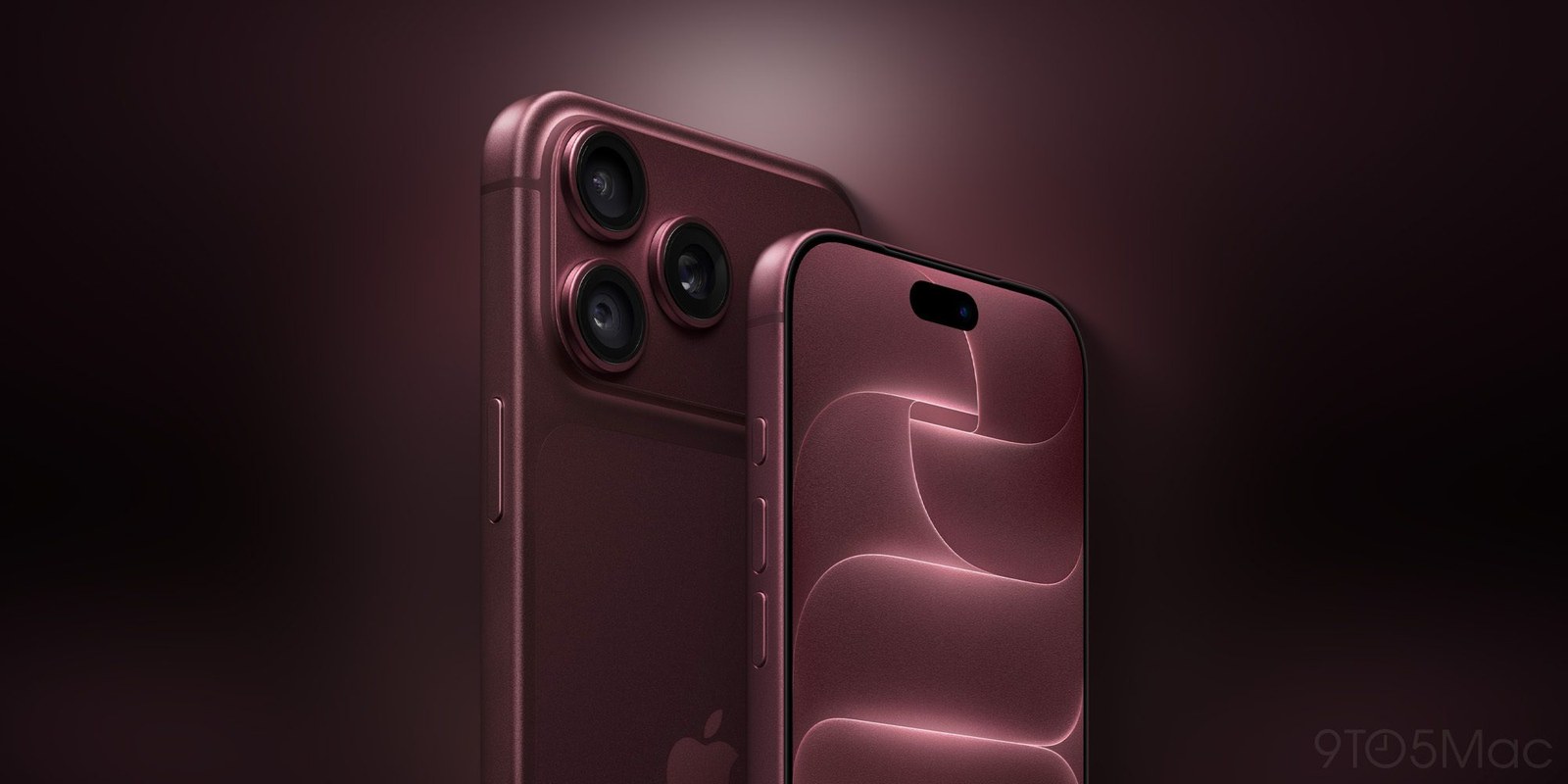
Apple updated its technical specifications page this week, and the change was smaller than the headlines that followed it. The U.S. version of the iPhone 18 Pro Max will keep a Qualcomm modem. Every other market, along with the entire iPhone 18 Pro lineup and the foldable iPhone Duo, will use Apple’s in-house C2 chip. Apple did not say why the U.S. version is different.
The split is the first time Apple has drawn a geographic line through its modem strategy. For years the company has worked to replace Qualcomm’s modems with its own silicon, and the C2 represents the biggest step yet in that effort. But the decision to keep Qualcomm in the American Pro Max suggests the transition is not complete, even in the flagship phone.
Code inside iOS 27 points to a Snapdragon X85 inside the U.S. Pro Max, according to analysts who examined the release. Apple has not disclosed the Qualcomm model it is using, nor explained the regional difference. The silence leaves room for interpretation: millimeter-wave support, carrier certification, or a supply constraint could all explain why one market keeps the older supplier while every other market moves on.
The C2 itself clears a specific hurdle. It is Apple’s first modem to support millimeter-wave bands n258, n260 and n261, alongside the sub-6GHz frequencies its earlier C1 handled. Millimeter-wave has been Qualcomm’s last hard advantage in iPhone modems, the feature that justified keeping the supplier around for the highest-end phones. The C2’s support for it weakens that argument everywhere except, apparently, the United States.
The progression is steady but slow. Apple’s first in-house modem, the C1, shipped in the iPhone 16e and handled only sub-6GHz, which kept Qualcomm in the high-end phones. The C2 closes much of that gap by adding the millimeter-wave bands that American carriers lean on for the fastest connections. Analysts said the company is executing a multi-year plan to take the modem in-house entirely, and the C2 is the point where the roadmap becomes visible to buyers.
The regional split is the interesting part for the supply chain. Keeping Qualcomm in the U.S. Pro Max means Apple is still paying the chipmaker for a meaningful slice of its highest-volume market, while Qualcomm’s share shrinks everywhere else. Qualcomm has said it expects its Apple modem business to decline sharply by the 2027 model year, and the C2’s rollout is the reason why.
The U.S. market is the one where millimeter-wave matters most, because American carriers built out those networks aggressively while carriers elsewhere focused on sub-6GHz spectrum. That asymmetry may explain the geographic line: if Apple wants the U.S. Pro Max to deliver the fastest possible speeds on the networks that actually have millimeter-wave, it might keep the Qualcomm part there until the C2 proves itself in the field. Apple has not confirmed this, but analysts said it is the most likely explanation.
For consumers, the difference is mostly invisible. A modem either connects the phone to the network or it does not, and Apple’s goal has always been to make the swap imperceptible. The specifications page update was quiet, but it told the market something real: Apple is close to owning the modem, and it is not quite ready to cut Qualcomm loose in its home market.
Apple and Qualcomm fought a long legal battle over modem licensing that ended in a settlement in 2019, and Apple bought Intel’s smartphone modem business for $1 billion that same year, the foundation of its in-house effort. Building a modem that works across every carrier, every band and every country is among the hardest problems in chip design, and Apple’s measured rollout reflects how many of those constraints still bind.
Millimeter-wave is the hardest part of modem engineering because the signals travel short distances and require complex antenna arrays, which is why Qualcomm held that edge so long. Cracking it, while still shipping a modem that passes carrier certification across dozens of countries, is the kind of grind that has defeated other chipmakers who tried to enter the market. Apple’s C2 clearing it is the real news beneath the specifications-page update.
The longer-term stakes are large for both companies. Modems are one of the few components Apple has not fully brought in-house, and each generation of its own silicon chips away at Qualcomm’s remaining Apple revenue. Qualcomm has been preparing for this for years, diversifying into automotive and edge AI. The U.S. Pro Max holdout buys it a little more time, but the direction of travel is now unmistakable. The C2 has landed, and the C3 is presumably already in the labs.



