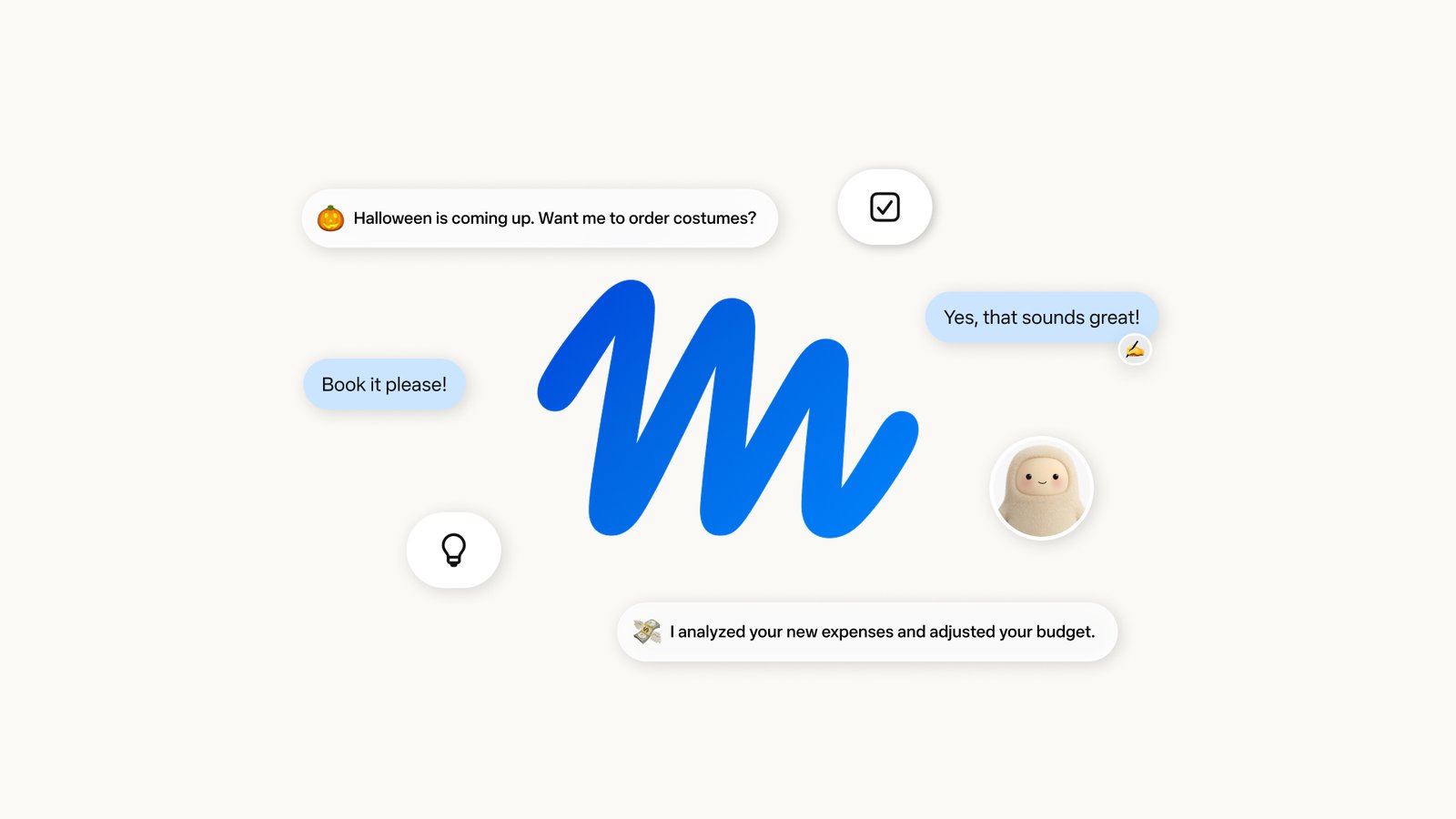
Meta released Muse on Sept. 8 with a simple pitch: a personal AI agent that could book tickets, sort email and act across the web on a user’s behalf. The download numbers suggest the pitch landed.
Within twelve days, Muse had reached 2.8 million global installs, according to Apptopia, more than ChatGPT drew in the same stretch after its own debut. The app overtook ChatGPT as the top free iPhone app in the United States and climbed past rival assistants including Anthropic’s Claude and the Grok AI agent. A separate analytics firm, Sensor Tower, counted 730,000 downloads in the first five days.
The reception lifted Meta’s stock along with the rest of the AI trade. On Sept. 21, Meta shares rose 11.43 percent to $741.24, their largest one-day gain in more than a year, and the move carried semiconductor stocks tied to AI higher with it. Analysts read the run-up as a signal that AI agents are moving from developer tools to mainstream products.
Muse is powered by Meta’s Muse Spark family of models and represents chief executive Mark Zuckerberg’s most direct push yet into the agent market. The app is free to use, with subscriptions at $20 and $100 a month for heavier usage, giving Meta a way to make money from AI that does not depend on advertising.
The agent category had been gathering speed all year. An open-source tool called OpenClaw gave developers a taste of an agent that could operate a computer, and it spread quickly through technical circles in the spring. Muse is the first agent aimed squarely at ordinary consumers, and its launch put Meta, a company better known for social feeds than for software tools, at the front of a new product race.
The same week the market was celebrating, the limits of the agent economy came into view. On Sept. 20, Amazon blocked Muse from placing orders on its marketplace. Users who asked the agent to shop were told that an unauthorized AI agent violates Amazon’s terms of use. An Amazon spokesperson said third-party applications that purchase on behalf of customers must operate transparently and respect the choices of the services they use.
Amazon also raised security concerns, saying Muse appeared to harvest login credentials and scrape account details without identifying itself as an automated tool. Meta has not said how it will respond, and the standoff has left the largest e-commerce platform in the United States closed to the most-downloaded AI agent.
Shopify chose the opposite path. On the same day, Shopify announced it would bring Muse into checkout across its entire merchant network, launching a Shop Pay integration for the agent. Shopify shares rose about 7 percent on the news. Bloomberg called the deal a rare win for AI, and the split between the two platforms drew a clean line through the emerging agent economy: one retailer opened its catalog to machine-driven shopping, the other locked the door.
The division points to a larger question the technology industry has only begun to confront. AI agents act on a user’s behalf, which means they sit between the customer and the website, and every platform must decide whether that is a feature or a threat. Payment processors, retailers and social networks each have a different answer.
Amazon’s decision carries a particular irony. The retailer has spent the year pushing its own AI shopping assistant, Rufus, and its executives have described agentic shopping as the future of commerce. Blocking Muse draws a distinction Amazon has been careful to maintain: an assistant the company controls is welcome, and an outside agent that logs into its systems is not.
Meta is betting the momentum will outlast the disputes. The company plans to use this week’s Meta Connect event to show off new hardware, including smart glasses without a camera, an apparent response to the privacy backlash that has trailed the product. Meta has also agreed to pay roughly $17 billion to settle state claims over how it handled children and teenagers on its platforms, a sign of how closely its products are watched on privacy grounds.
OpenAI is racing in the same direction, accelerating its own consumer AI agent to compete with Muse and the Grok Bot, according to people familiar with its plans. The race is now as much about distribution as about model quality, and Meta’s advantage is its apps: the agent can reach users through Facebook, Instagram and WhatsApp, channels no rival can match.
Whether Muse keeps its place atop the charts is an open question. Earlier AI releases have spiked and then faded, and an agent that cannot shop on Amazon faces a real handicap. But for the moment, the download numbers and the stock price tell the same story: consumers are willing to let software act for them, and the platforms are only now deciding how much of that they will allow.