Artificial intelligence companies, private equity firms and a building-trades union have joined a multi-million-dollar lobbying coalition to make the public case for data center construction, the Financial Times reported on Tuesday. Members include Blackstone, OpenAI, data center operator QTS, SoftBank Group and the International Brotherhood of Electrical Workers.
The coalition is a response to a backlash that has made data centers a live issue in this year’s midterm elections. The group will promote the jobs and the electric-grid investment that the facilities bring. Opponents have focused on higher electricity prices, water use and noise. The two sides are arguing over the same buildings but describing different things: one side sees construction crews and grid upgrades, the other sees rising bills and constant hum.
The fight is furthest along in Texas. Governor Greg Abbott in August froze approvals for new data centers while regulators audit proposals seeking connections to the state’s grid. The Public Utility Commission and the Electric Reliability Council of Texas have been asked to review tax breaks, power and water use, and community impacts. The freeze followed a state survey on water and power use that some developers failed to complete, which Abbott said left regulators unable to make informed decisions.
The politics cut across party lines. Republican candidates in Texas and several other states have hardened their positions on data centers, breaking with President Donald Trump, who has urged Americans to keep building AI infrastructure and warned that resisting it would leave communities “backwards and poor.” Texas hosts OpenAI’s flagship Stargate campus in Abilene. Super PACs tied to Anthropic have spent more than $2.6 million in Texas, and groups linked to OpenAI co-founder Greg Brockman have spent more than $4.8 million, according to federal filings.
The backlash has already reached the county level. Hill County, southwest of Dallas, passed a one-year moratorium on data center construction in May, and Hood County, southwest of Fort Worth, twice tried to pass one before a state lawmaker argued the ban would be illegal. Abbott’s Democratic challenger, Gina Hinojosa, has called data centers “the fight of this election season.” One political scientist described the situation as unusual precisely because opposition spans both parties at a time when they agree on little else.
The coalition is unusual because it seats a labor union at the same table as the companies that build and own the facilities. The electrical workers’ presence gives the group a direct line to the electricians who wire data centers and a jobs-and-wages argument that money alone does not buy. The industry has struggled to persuade the public that the incentives and land given to data centers pay off in local employment, because the facilities employ relatively few people once they are running.
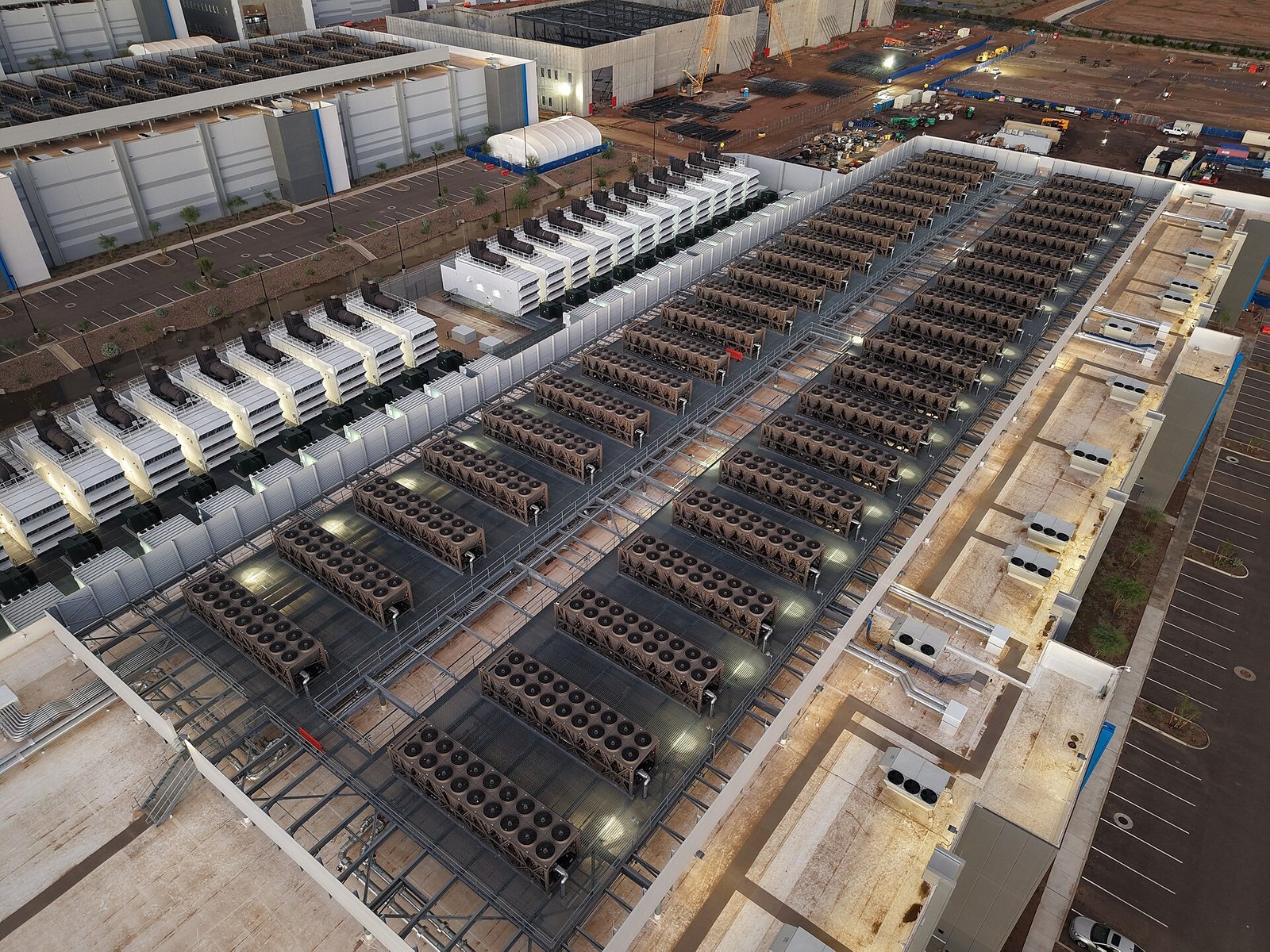
The scale of what is being defended is enormous. Data centers have become one of the fastest-growing sources of demand on the American power grid, and the AI buildout depends on thousands of additional megawatts of capacity. Every delay in a permit or a grid connection pushes back the date when a new facility can open. The companies and their investors have already committed hundreds of billions of dollars to chips and power; what they cannot buy is local consent, which is exactly what the coalition is meant to win.
The energy question is the one that reaches most voters. Data centers draw power around the clock, and building the transmission lines to serve them costs money that someone has to pay. Utility regulators in several states are weighing how to divide those costs between data center operators and ordinary ratepayers, and the answer will shape how much of the buildout survives local scrutiny. Cooling the facilities requires water in regions where water is already contested.
The industry’s own history made the backlash harder to manage. Technology companies long treated Washington and state capitals as a place to keep at arm’s length, and data center developers sold their projects one county at a time with jobs promises that opponents say never matched the payrolls. The coalition is an admission that the arm’s-length approach stopped working, and that the companies now need a coordinated answer to questions about prices, noise and water.
The group is also starting late. Local opposition has already produced moratoriums and zoning fights, and data center projects now draw scrutiny in states that once competed for them. In some rural counties, residents have fought the facilities at commission meetings, arguing that the tax breaks outweigh the few permanent jobs they create. The coalition’s task is to change the terms of a debate that is already being fought block by block.
Whether a coalition funded by the biggest names in AI can outrun that backlash is the question the report leaves open. The companies behind the buildout are betting that jobs and grid investment will outweigh electricity bills and noise once the argument is made in full. The next several weeks, as candidates run on data center pledges, will show whether the public agrees.