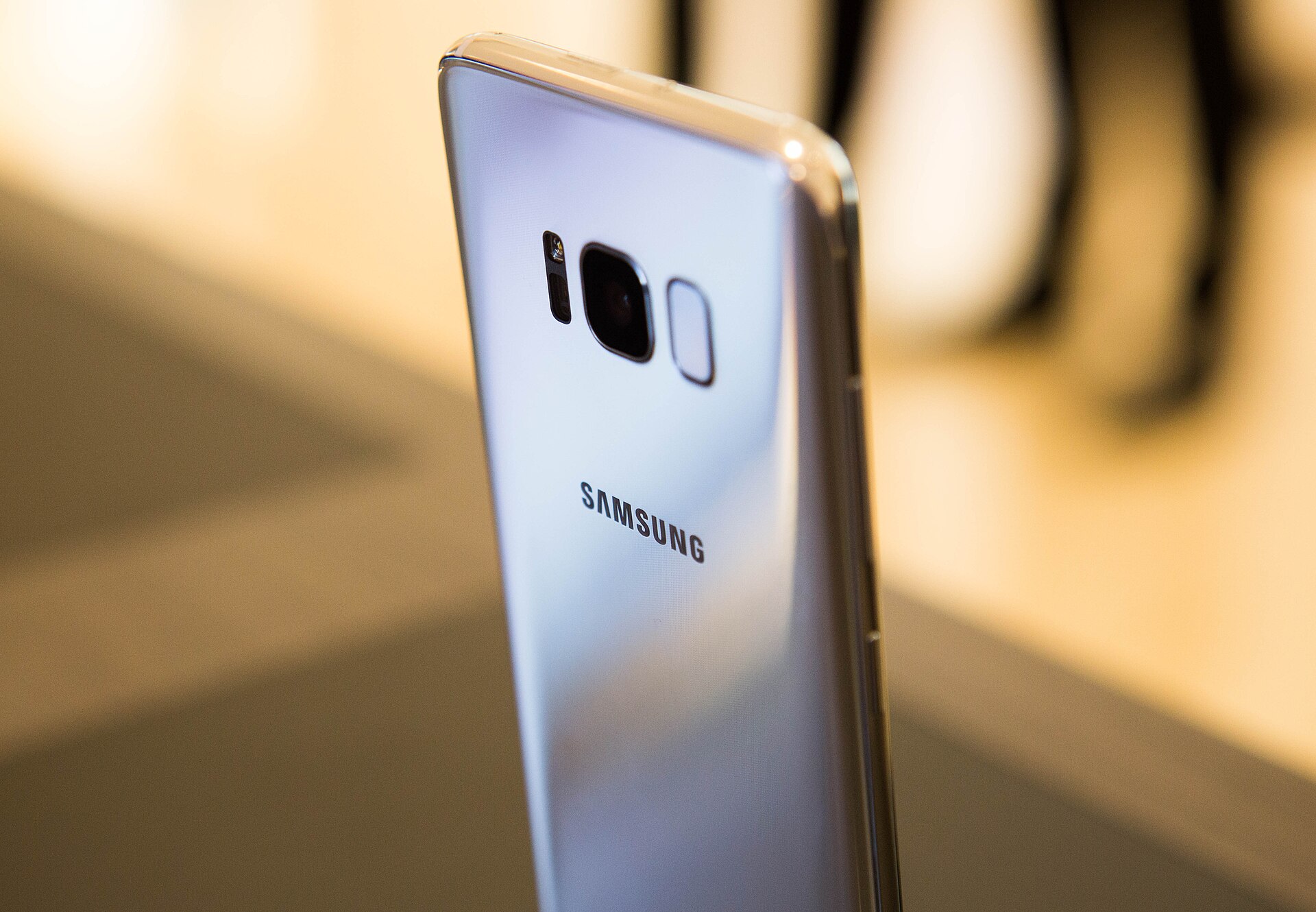
The price of Samsung’s newest flagship phone went up before most customers ever held one. On October 1, the company raised prices across the Galaxy S26 line by roughly $100 in the United States, Europe, the United Kingdom and Canada, with the 1-terabyte version of the top-end S26 Ultra climbing by $200 in some markets.
The company was direct about the reason. Won-Joon Choi, chief operating officer of Samsung’s mobile business, told The Verge that a shortage of memory chips was a major factor in the increases and that other material costs were also pushing prices higher.
The move marks a reversal for a product category that has spent years swallowing rising component costs rather than passing them on. Phone makers have fought to hold the line on prices because buyers have grown reluctant to upgrade on a fixed schedule, and a hundred dollars is enough to push a flagship into territory where customers start asking whether the newest model is worth it.
Behind the increase is a memory market that has tightened sharply. Over the past year, the price of DRAM and NAND chips has climbed as data centers raced to build artificial-intelligence infrastructure, bidding against phone makers for the same limited supply. The memory that powers a smartphone is largely the same technology that powers the servers training the industry’s biggest models, and the two buyers are now competing for the same wafers.
Samsung sits on both sides of that squeeze, which makes the price hike a little awkward. The company is the world’s largest maker of memory chips as well as one of the largest smartphone brands, so the shortage raising its phone costs is also lifting revenue at its own semiconductor division. The mobile unit pays more for components; the chip unit books the higher prices. Whether that nets out in Samsung’s favor depends on which side of the ledger grows faster.
Choi’s remarks put the blame on supply rather than demand, which tells its own story. Samsung is not arguing that the S26 line is so improved that it can command a higher price on merit alone. It is arguing that the components inside it cost more. That is the language of a company that would rather keep its sticker price flat and cannot.
The timing also lands in a market where artificial intelligence is supposed to be the new reason to upgrade. Handsets are increasingly sold on the strength of their on-device AI features, and those features are hungry for memory. A phone that cannot keep up with the AI tasks it advertises needs more RAM, and more RAM is exactly what is getting more expensive. The industry’s newest selling point, in other words, is part of what is driving its costs higher.
Rivals face the same pressure, even if they have not moved prices yet. Apple and Google buy from the same memory market, and analysts have said for months that the cost increases would eventually show up in consumer pricing. Samsung is simply the first of the major phone makers to make the jump official across several large markets at once.
The Galaxy S26 line is Samsung’s marquee release of the cycle, the phone the company relies on to hold its ground against Apple’s iPhone at the top of the market. Every dollar of sticker price is weighed against a rival’s, and a hundred-dollar gap can shift a buyer who is otherwise indifferent. That is what makes the decision to raise, rather than absorb, the memory cost a consequential one.
The shortage Choi described is not a sudden spike but the tail of a longer build-out. Memory makers, Samsung among them, shifted capacity toward the high-margin chips that AI servers demand, tightening the supply of the ordinary DRAM and storage that phones and laptops consume. The result is a rare market in which the most advanced products and the most common ones are both scarce at once.
Choi’s phrasing left room for further increases. He framed the move as a response to specific cost pressures rather than a one-time correction, which suggests prices could keep drifting upward if the memory market stays tight. That prospect matters as much to competitors as to consumers, because once one major maker moves, the others have room to follow.
The increases were not uniform, a sign that Samsung is trying to protect its most price-sensitive customers. The base models rose by roughly $100, while the priciest configuration absorbed a larger jump. The pattern shields the entry-level buyer and concentrates the pain at the top of the range, where customers are more willing to pay for storage and are less likely to walk away over another $200.
What happens next depends on how long the memory shortage lasts. If data-center demand keeps bidding up chip prices, phone makers will face the same choice Samsung just made: raise prices, thin out profit margins, or ship phones with less memory than their marketing promises. The first company to move has now shown which of those it considers least painful.