
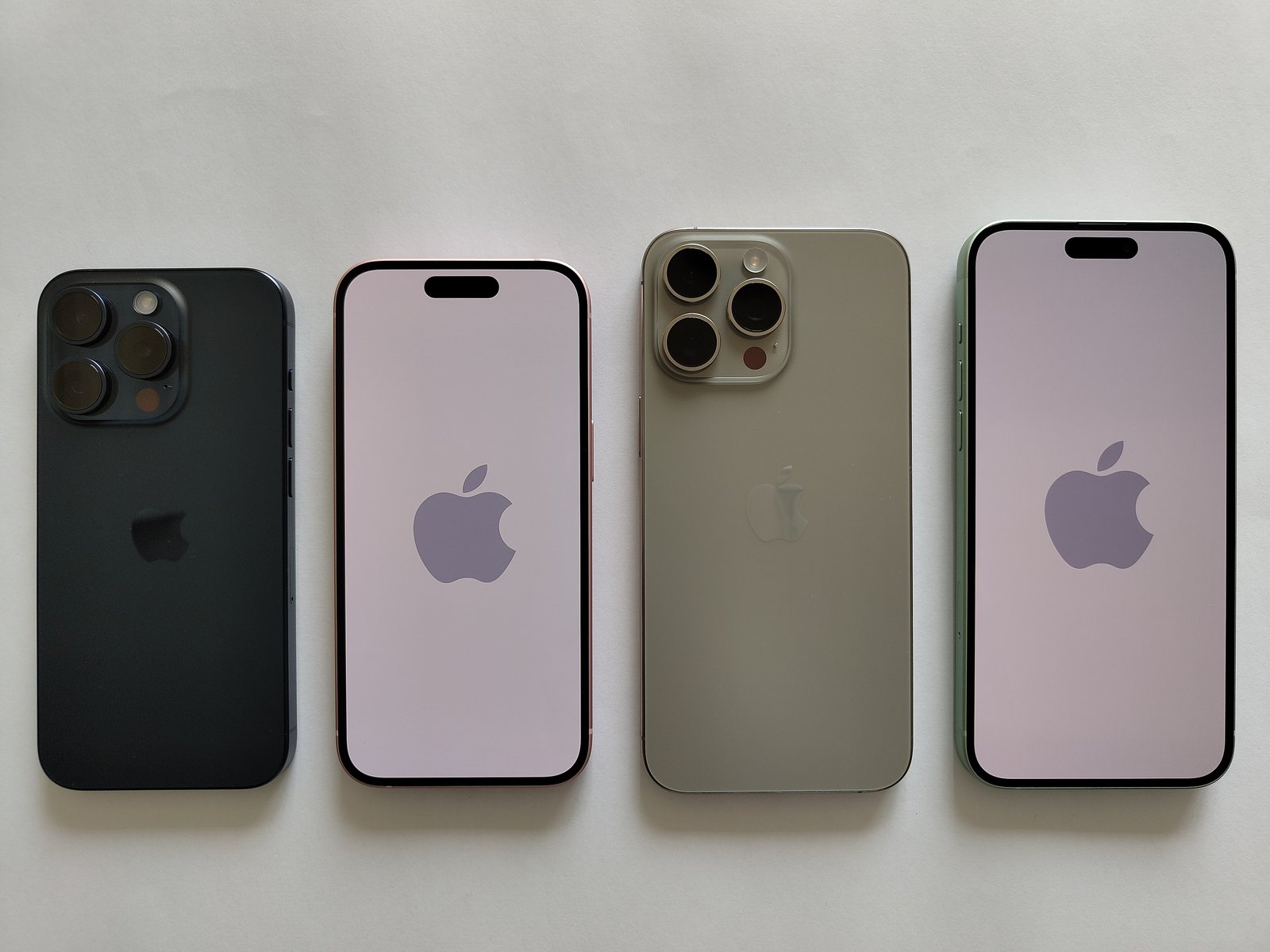
Some iPhone 18 Pro Max owners have a phone that will not reliably make a call. On the AT&T network, Apple has confirmed, a “small number” of the top-end handsets lose their cellular signal, and the defect cannot be fixed with a software update. The affected phones will be swapped for new ones.
Apple confirmed the problem on October 2. The company said the issue affects a small number of devices on AT&T and that the repair requires a hardware replacement, not an over-the-air fix. It also released a patch meant to keep devices that have not yet shown the fault from developing it. The wording matters: a hardware recall for a cellular fault in a flagship phone is rare, and it points to a component problem rather than a bug that can be patched away.
The iPhone 18 Pro Max is the most expensive phone Apple sells, and cellular connectivity is the feature every other one depends on. A defect that kills the signal on one major carrier, even in a small batch, forces the company to run a replacement program and to absorb the cost of the swaps. Apple has not said how many phones are affected or what component failed, and it has not offered a deadline for completing the replacements. The patch it pushed this week is a stopgap, not a cure.
The other story Apple is running this month points in a different direction. The company will introduce a smart-home hub on October 13, according to Bloomberg, a device known internally by the code name J490. The launch will come with an updated HomePod mini and a new accessory, the report said.
Apple’s history in the smart home is a series of partial starts. HomeKit, introduced more than a decade ago, gave the company a presence in the category without a product of its own. The HomePod came and went, was discontinued and relaunched. The Apple TV has long been pitched as a home hub in software, but it is a box in a cabinet, not a device on a counter. J490 is Apple’s attempt to put a face on all of that.
The hub is a screen, and it is meant to do what Apple’s home products have not: give the company a strong entry point into the smart home. Apple has spent years on the edges of the category. HomeKit ties its devices together, but the company has never fielded a direct answer to Amazon’s Echo Show or Google’s Nest Hub. A screen that sits on a counter, runs Apple’s software and works with its ecosystem would change that.
The device arrives in a market that has consolidated around a few survivors. Amazon and Google have kept their smart displays alive while smaller brands have exited, and Apple’s entry will test whether a screen in the kitchen is still something people want. Support for Matter, the industry standard meant to let devices from different makers talk to one another, is likely to be central, though Apple has not detailed the hub’s specifications.
The timing fits the broader push Apple is making around AI. The company has positioned its assistant and its on-device models as the connective tissue of its products, and the home is one of the few places where it can still add a new surface. A hub that watches the room, runs schedules and controls the lights is, in Apple’s telling, a place where its software can show what it can do without a phone in hand. The bet is that people still want one.
The two stories together describe a company managing two fronts at once. On one, it is patching and replacing hardware to protect the reputation of its most important product. On the other, it is trying to open a new category that competitors already occupy. The cellular fault is the kind of problem that fades if it is handled quickly and quietly; the home hub is the kind of bet that either establishes a product line or is forgotten within a year.
Investors will read the two events differently. A phone defect that spreads would be a real problem for Apple’s holiday quarter; a contained one is a cost line item. The home hub, by contrast, is a question about whether Apple can still create demand for a device in a category it has long ignored.
What to watch in the coming weeks is whether the replacement program stays quiet and whether the October 13 event delivers a device with a reason to exist. The iPhone is Apple’s past and present. The hub is its attempt to argue that the home is part of its future.



