
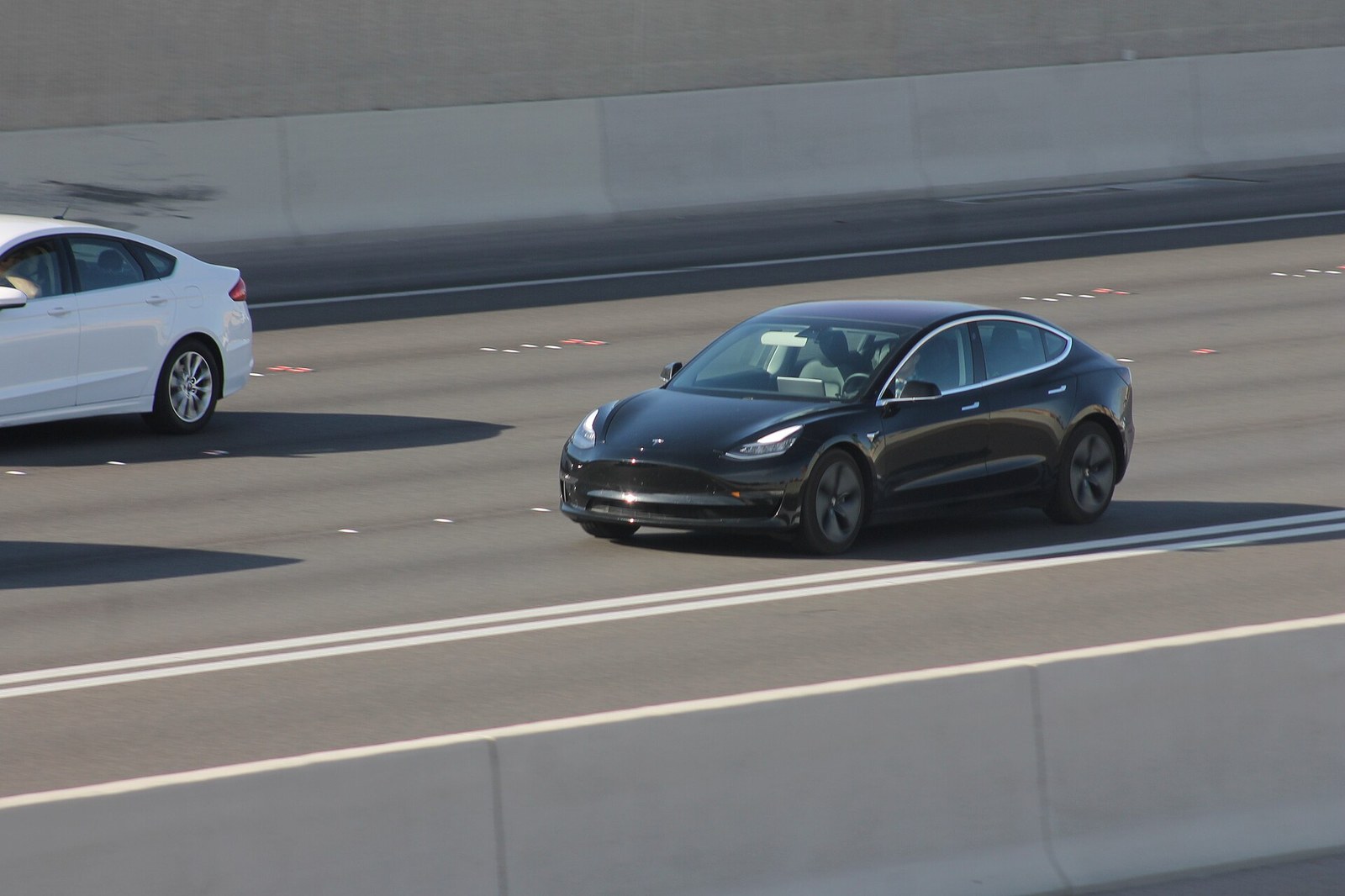
Elon Musk’s reply was two words. “Danke schoen,” he wrote on X on Wednesday, after Germany’s transport minister said he would push for prompt European Union approval of Tesla’s driver-assistance software. The thanks were clipped, but the moment was not: Europe’s largest car market had just signaled it was ready to help open the bloc’s roads to the system Tesla calls Full Self-Driving.
The minister, Steffen Bilger, said in a statement that he was advocating for quick EU approval after discussing technical details and liability questions with Tesla last month. Germany also agreed with the company on one of the most contested points in the debate: the system may slightly exceed the posted speed limit, by up to 10 percent, a position Berlin said it would support in the European approval process.
That concession goes to the center of the fight. Several EU countries, among them Sweden and France, have raised concerns about Tesla’s system exceeding speed limits, and the question of how fast a supervised car should be allowed to drive has become a proxy for the wider argument over the software. Germany’s willingness to accept a 10 percent margin, analysts said, removes one of the few concrete objections left on the table.
The software itself remains, for now, stuck in Europe. Tesla’s Full Self-Driving, which steers, brakes and changes lanes while a driver watches, is sold in North America but has never won bloc-wide approval in the EU. The company has been seeking it through the Technical Committee on Motor Vehicles, where a qualified majority of 15 of the 27 member states, representing 65 percent of the population, is required.
That vote was supposed to happen in October and has slipped to December at the earliest. The committee discussed the system again this week without holding a vote, and the delay has become a familiar rhythm for Tesla in Europe: momentum builds, a meeting passes without a decision, and the calendar resets. Germany’s endorsement is meant to break that cycle.
Germany is not the first to back the technology. The Netherlands and Belgium have already signaled support, and the Dutch regulator has been working through the technical documents as part of the European procedure. What makes the German position different is weight: Berlin’s vote counts heavily in the population threshold, and its transport ministry carries influence with the neighbors that remain undecided.
There is a condition attached. Germany wants Tesla to rename the system, on the view that “Full Self-Driving” overstates what the software does, and the company has reportedly offered “Tesla Assisted Driving” as the alternative. A driver still must watch the road and stay responsible, and German officials have been clear that the 10 percent speed margin comes with that responsibility intact.
Tesla has mounted a sustained campaign to get here. A Reuters report this week described an intensive lobbying effort across European capitals, with the company winning over national regulators one by one even as traffic-safety researchers warned that its safety claims are inflated. The report framed the push as the latest front in Musk’s long effort to make autonomy the center of Tesla’s value.
That value question is what makes a regulatory calendar item into a corporate story. Tesla’s share price rests, in large part, on the bet that Full Self-Driving and, eventually, a robotaxi network will generate enormous revenue. Europe, with hundreds of millions of drivers and dense urban traffic, is the market that would make that bet concrete, and every month the vote slips is a month the story stays on paper.
For Berlin, the calculation is different. Germany’s car industry is its economic spine, and its regulators have spent years defining what assisted driving may do on German roads. Backing Tesla now positions the country to shape the European standard rather than react to it, and it aligns Germany with a technology its own manufacturers are racing to match.
Safety researchers have pushed back at every step. They argue that Full Self-Driving, despite its name, still requires a human ready to take over at any moment, and that selling it as self-driving inflates expectations in ways that have shown up in crash investigations in North America. Germany’s answer has been to insist that the driver stays responsible and that the name changes, a compromise meant to reassure the skeptics without delaying the rollout. Bilger said his goal was for Tesla drivers to enjoy the benefits of assisted driving across the EU “without delay,” a phrase that captures both the ambition and the qualifier.
Musk’s “danke schoen” was, for once, brief and uncomplicated. The real work is ahead: a December vote, a handful of undecided states, and a safety debate that will not end with a committee meeting. Germany has opened a door the company has been knocking on for years. Whether the rest of Europe walks through it is a question that will be settled in Brussels, not Berlin.



