
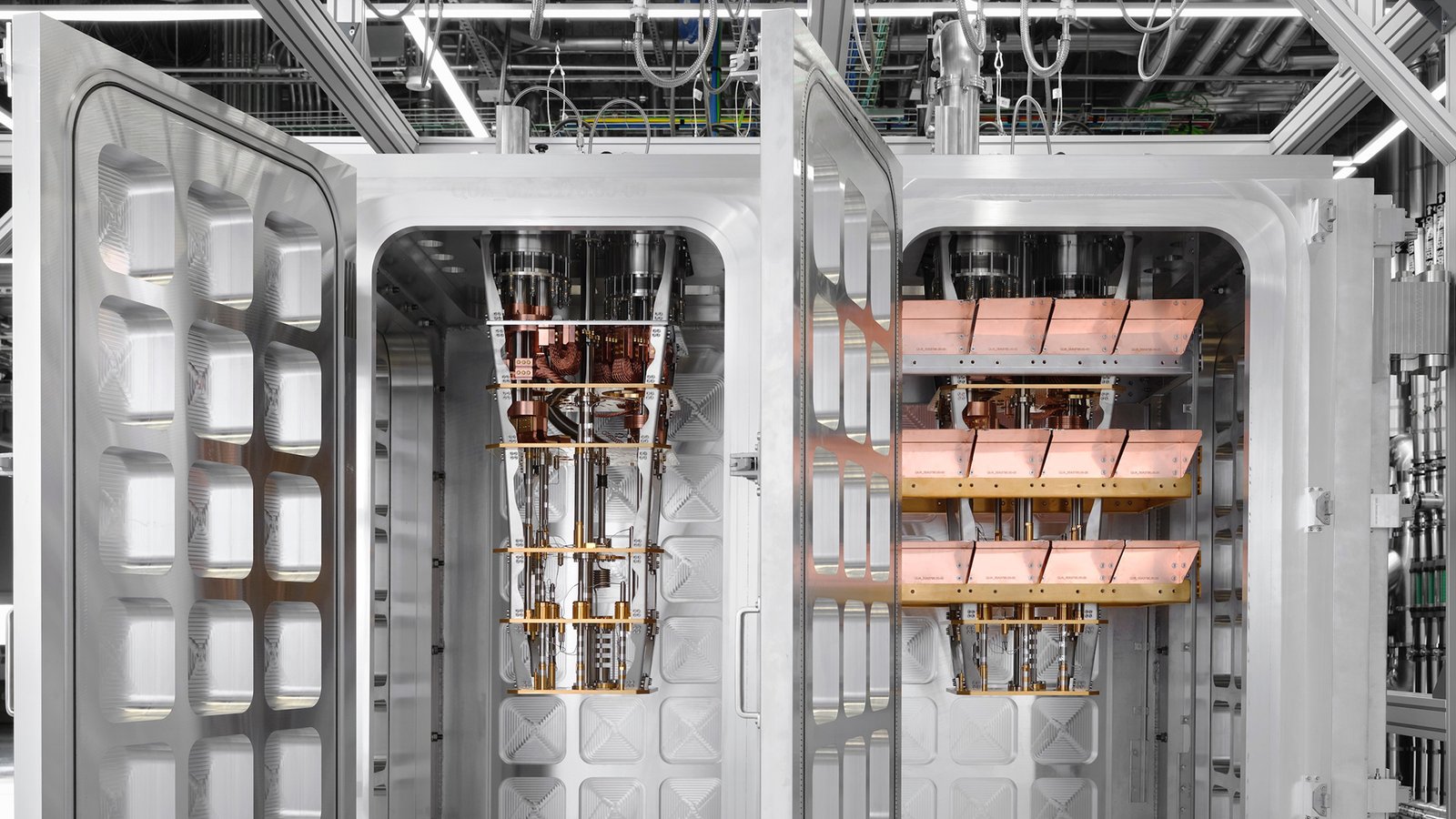
The Pentagon has a simple question about quantum computers, and it has been asking it of the companies that build them: can you prove the machine actually works? IBM cleared another round of that test this week, when the company said it had been selected for the next phase of a Defense Advanced Research Projects Agency program meant to find out whether a fault-tolerant quantum computer can be built at all.
The program, called the Quantum Benchmarking Initiative, or QBI, is DARPA’s attempt to impose rigor on a field that has spent years announcing breakthroughs and then watching them fail to scale. Companies that join agree to have independent experts measure their hardware, systems engineering and architecture against a concrete goal: a fault-tolerant quantum computer with industrial value by 2033.
IBM said this week that it has entered phase C of the program, the stage at which independent experts begin testing the company’s approach in earnest. The company has its own timetable, and it is more aggressive than DARPA’s. IBM plans to deliver its first fault-tolerant system, called Quantum Starling, in 2029, four years ahead of the Pentagon’s target.
The stakes are the highest IBM has put on the table in quantum. The company said it plans to spend more than $10 billion on quantum over five years, a figure that reflects both its confidence and the competitive pressure from rivals such as Google, which has announced its own fault-tolerance results, and a crowd of startups chasing the same prize.
Fault tolerance is the field’s hardest problem, and the phrase matters more than it sounds. Today’s quantum machines are noisy: their qubits, the basic units of quantum information, collapse under the slightest disturbance, producing errors that accumulate faster than calculations can finish. A fault-tolerant machine is one that keeps correcting those errors on the fly, so a computation can run long enough to be useful.
IBM’s approach leans on error correction built into its hardware and software, and on the engineering discipline of building machines that can be cooled, wired and serviced reliably. The DARPA program is designed to test precisely that, by having outside experts verify that the company’s claims hold up outside its own demonstrations.
The selection is a validation of IBM’s roadmap, and a bet on its execution. DARPA does not hand out its benchmarking phases lightly, and reaching phase C means the agency believes the company’s approach is worth testing at full scale. The agency has been blunt that it will fund and measure several companies, not one, because it does not yet know which technical path will win.
For IBM, the program is also a commercial signal. The company has positioned quantum as a long-term business, selling access to its machines through the cloud while it works toward the fault-tolerant systems that could eventually crack problems in chemistry, materials and logistics that classical computers cannot touch. A DARPA seal of progress helps the sales pitch to governments and enterprises that have been waiting on the sidelines.
The timeline is the honest part of the story. A machine due in 2029, and a Pentagon goal of industrial value by 2033, are far enough out that every date should be treated as a plan rather than a promise. Quantum computing has a long record of deadlines that slipped, and the QBI program exists precisely because the government got tired of taking vendors’ word for it.
DARPA launched the Quantum Benchmarking Initiative in 2024, after an earlier effort found that the industry’s claims did not match its hardware. The program is designed to be skeptical: companies must let outsiders test their machines rather than simply repeat their own results, and the agency has said it will judge progress against a standard that no one has yet met.
The competition IBM faces is real. Google has said it demonstrated error correction that improves as its machines grow, a claim it made in late 2024, and a number of well-funded startups are pursuing their own paths to fault tolerance. IBM’s response has been to lean on its decades of quantum research and on the size of its investment, arguing that a reliable machine is an engineering problem, not a physics one.
The commercial case is still forming. Quantum computers that work reliably would have immediate uses in chemistry, where they could simulate molecules that classical machines cannot, and longer-term uses in logistics, finance and materials. Governments, including Washington, have treated the technology as a strategic asset, which is part of why the Pentagon is funding the benchmarking effort in the first place.
The next several years will determine whether IBM’s bet pays off. Independent testing is the closest thing the field has to an audit, and phase C will produce evidence that either supports the company’s claims or shows where they break down. For an industry built on announcements, that is the kind of scrutiny it has been missing.



