
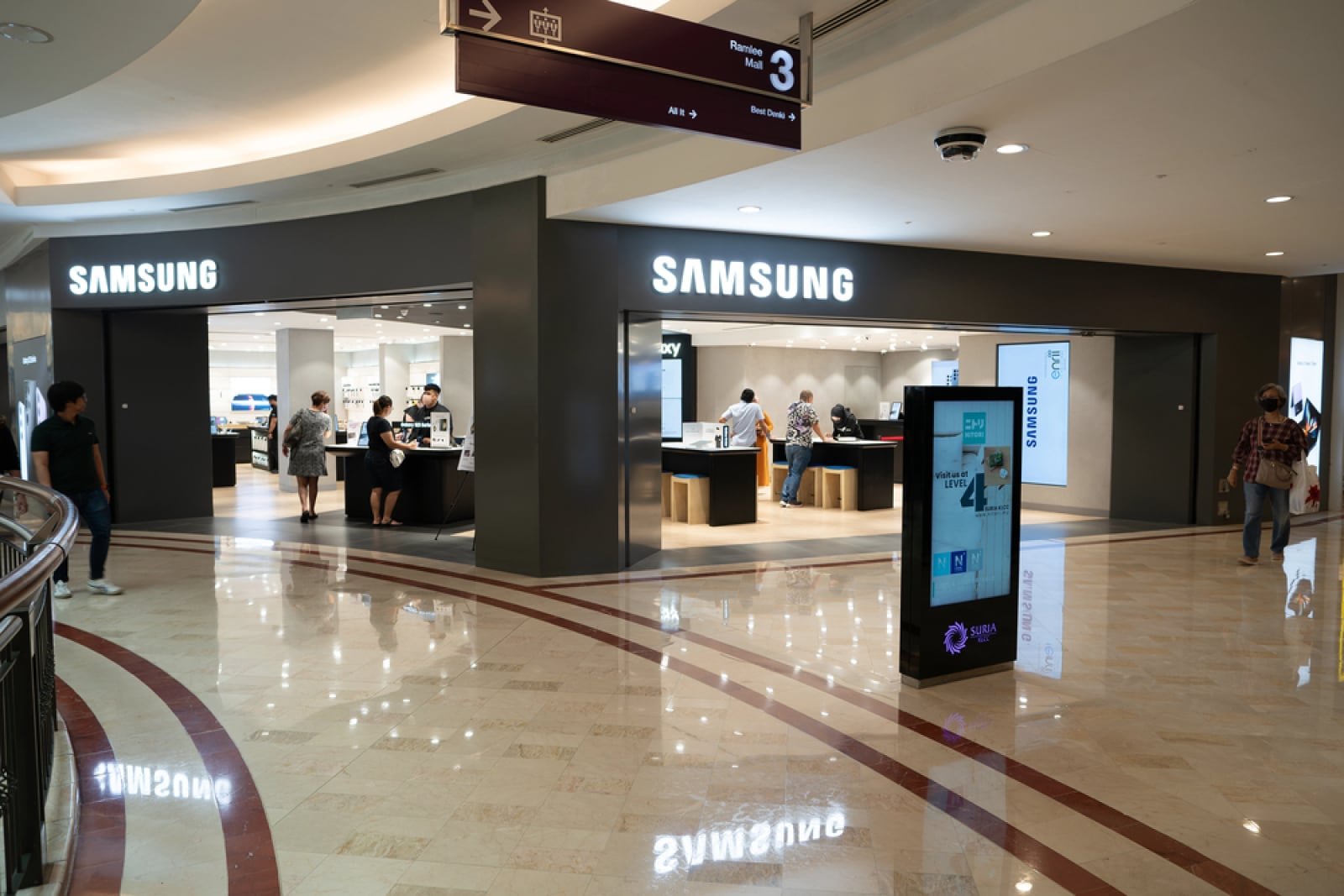
Samsung said it would fold U.S. dollar-coin transfers into its mobile wallet, a step that puts a form of crypto-based money in front of tens of millions of Americans who never asked for it. Starting in late October, the feature will cover 82 million Galaxy devices in the United States, and it is built in partnership with Solana, the blockchain network.
The mechanics are designed to hide the crypto. A user sends money, and the recipient receives it in their local currency, with support for more than 60 countries. The conversion happens on the way, and the settlement runs on a blockchain, but the person holding the phone sees a familiar money transfer rather than a crypto transaction.
Samsung has been careful to describe the product in the language of payments rather than speculation. The company said it would charge no fee for moving funds into compatible external wallets, and that cross-border transfers settle on-chain without requiring a user to open a separate crypto wallet. The pitch is convenience, not trading.
The partnership draws on a roster of established names. Coinbase Prime Vault will provide custody of the assets, Bastion will supply the infrastructure for a compliant stablecoin product, and Sui joins Solana on the list of supported chains. Samsung is assembling the plumbing rather than building it alone.
USDC, the dollar-pegged coin at the center of the feature, is issued by Circle and has become one of the more widely used stablecoins, a category that promises the convenience of crypto transfers with a price anchored to the dollar. Its appeal to a company like Samsung is that it moves money across borders quickly and settles without the correspondent banks that slow down traditional transfers.
The timing places Samsung in the middle of a broader push by technology and payments companies to make stablecoins a normal part of daily commerce. What was once the province of crypto exchanges has been migrating into wallets and apps used by ordinary consumers, and Samsung’s scale makes the move notable.
There is a defensive logic to the deal as well. The companies that own the phone and the wallet are competing to be the place where money lives, and Samsung’s rivals have been building their own payment ecosystems. Ceding the cross-border market to Apple, Google or the payment networks would mean ceding a share of the financial relationship with its own customers.
The choice of Solana reflects the economics of the underlying technology. Solana has positioned itself as a fast, low-cost network suited to small, frequent transactions, the kind that a retail wallet would generate. Circle has made USDC available on Solana, and the network’s transaction costs are low enough that a transfer does not eat the value being sent.
Samsung has moved gradually into this space. Its wallet already held payment cards, transit passes and identification, and the company has tested crypto features in limited markets. The USDC launch is the largest step yet in bringing digital dollars to a mass consumer base, and it arrives with the regulatory groundwork done through partners like Coinbase and Bastion.
Samsung is the world’s largest smartphone maker by volume, and the reach of its wallet is what gives the feature its significance. A stablecoin inside a product used by tens of millions of people is a different proposition from a stablecoin inside a crypto exchange, because it meets users who never set out to hold digital assets at all.
The move also reflects the ambitions of the firms around it. Circle has pushed USDC toward the payments mainstream, and Solana has courted consumer applications after establishing itself among developers. For each, a slot inside Samsung’s default wallet is distribution they could not easily buy on their own.
The company did not disclose how much it expects to earn from the feature, and the economics are not obvious. The lack of fees on the consumer side suggests Samsung sees the feature as a way to deepen engagement with its wallet rather than as a direct revenue line. The value is in keeping users inside Samsung’s ecosystem.
Regulation hangs over the entire category. Stablecoins have drawn attention from lawmakers and regulators on both sides of the Atlantic, and the rules governing them are still being written. By partnering with firms that already operate in the compliant part of the market, Samsung is betting it can offer the product while staying inside the lines.
What Samsung is really testing is whether a stablecoin can become as unremarkable as a debit card. The feature strips away the vocabulary of crypto and leaves only a transfer that settles faster than the old system. If it works, the distinction between money and digital money becomes harder to see.



