
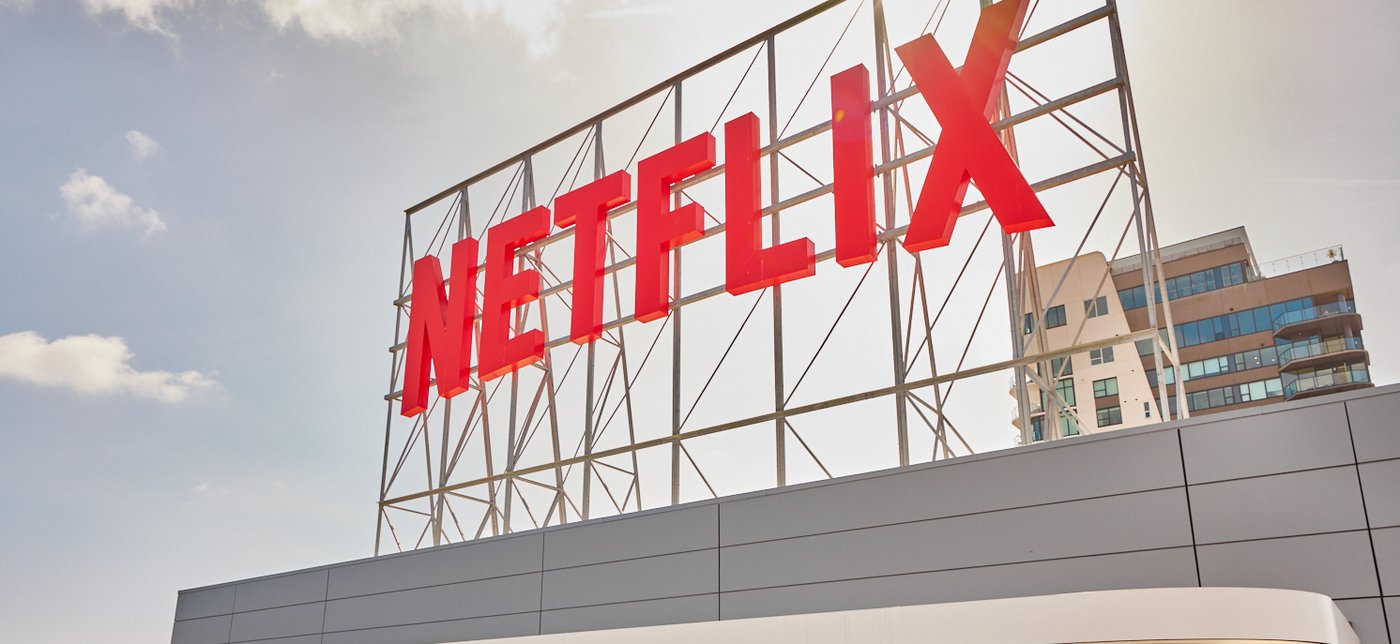
Netflix said on October 14 that it would eliminate about 1,000 positions, roughly 6 percent of its workforce, in its largest round of cuts since 2022. Product, technology, legal and human resources teams absorbed the largest share of the reductions.
The number arrived with an unusual framing. In an internal memo, co-chief executives Ted Sarandos and Greg Peters told employees that the business is steady and that the company’s full-year guidance is unchanged, adding that Netflix will keep investing aggressively in the areas with the highest impact. The company reports quarterly results on October 20.
Reducing headcount while leaving the forecast untouched tells employees and shareholders different stories. To shareholders, it says the cuts are about structural cost rather than a shortfall in demand. To employees, it says the company has decided that some work matters more than other work, and that the difference is now worth acting on at scale.
Analysts said the pattern is familiar from the last cycle of streaming cost discipline. Netflix cut a comparable number of roles in 2022, after subscriber growth stalled and the company began policing account sharing. The difference now is that the business is not under obvious strain. The cuts are taking place in a healthy stretch rather than a crisis, which is why the memo’s language about high-impact areas carried more weight than a typical restructuring note.
The four functions named in the announcement describe the shape of the decision. Product and technology teams build the interface, the recommendation systems and the delivery network that carries video to subscribers in dozens of countries. Legal handles content contracts, licensing and the regulatory questions that follow a company operating across many jurisdictions. Human resources manages an organization that grew during the pandemic-era expansion and has been adjusting since.
A company that trims those groups at once is not abandoning the work. It is deciding how much of it can be done with fewer people, or by tools that did not exist when the roles were created. Engineering organizations across the technology industry have spent the past two years testing whether software can produce more output per engineer. Netflix has not said whether that calculation played a part, and it did not describe any specific function as redundant.
The timing also carries meaning for the staff who remain. Cutting 6 percent of a workforce days before an earnings call is a message about what the next phase of the business will look like. Netflix has spent years telling investors that its spending on content, and its investment in advertising and games, would produce a durable revenue base. Cost discipline supports that argument. It also gives executives room to fund expensive bets without asking shareholders for patience, which is what the memo promised when it said the company would keep spending where the returns are.
For the people leaving, the practical terms of the separation matter more than the strategy behind it. Netflix has not disclosed severance figures, the number of roles affected by country, or a timeline for the departures. Large reductions at technology companies this year have generally been completed within weeks, with affected employees learning their status individually.
The cuts also invite a comparison with the rest of the streaming sector. Netflix has been the only major service to reach sustained profitability at scale. Its rivals at Disney, Warner Bros. Discovery and Paramount have spent the past three years cutting costs and writing down content to move toward the same position. Netflix reducing staff from a position of strength points to something the industry has quietly accepted: streaming at this scale supports a leaner permanent organization than the one built during the subscriber race.
Two years ago, the 2022 round of layoffs marked a change in how Netflix talked about its own growth. The company had spent a decade telling investors that hiring more people and making more shows would compound into more subscribers, and it stopped saying that. It began charging for shared accounts, introduced an advertising tier, and reported revenue per member instead of an ever-climbing subscriber count. Investors rewarded the shift, and the stock recovered the ground it lost.
This round extends the same logic to the internal organization. Headcount is now a variable the company adjusts against its priorities rather than a byproduct of expansion. Supporting roles in legal and human resources are treated as costs to be managed rather than infrastructure to be maintained, and technology teams are judged against the same output standard the rest of the company faces.
Executives did not link the reductions to any specific product decision. Mr. Sarandos and Mr. Peters wrote that the company is in a strong position and that the changes would let it move faster, language the company has used before when trimming staff. Netflix also said its full-year outlook is unchanged, which means the savings from 1,000 salaries were not needed to hit the numbers investors expect.
That leaves an open question about what the money will fund. The company has said it will keep spending on content, on advertising technology and on its slate of games, none of which it described as candidates for cuts. When results arrive on October 20, investors will look for whether the savings show up in operating margin, and whether membership and advertising revenue keep growing at the pace the shares assume. The employees will look for a shorter answer: which parts of the organization are still considered high impact.



