
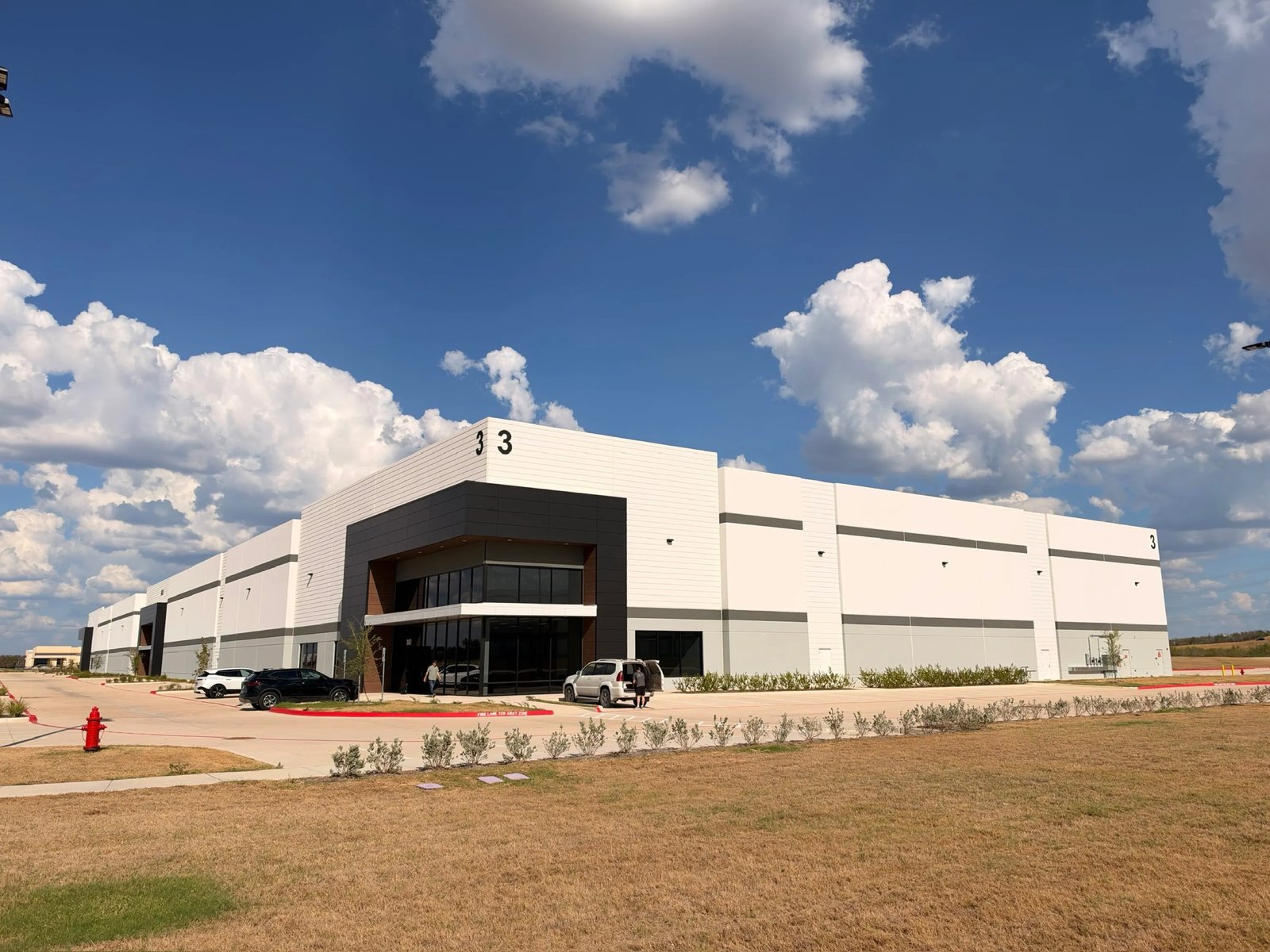
Microsoft has secured about 1,100 megawatts of new generating capacity for its data center campus in northwestern Indiana under a 20-year energy agreement with NiSource, the utility announced on October 16.
Supply under the contract begins in 2028. NiSource said the agreement is expected to improve savings for its customers overall. It is the third long-term power deal Microsoft has signed for data centers in recent months.
The structure of these agreements has become as important as the electricity they deliver. A utility that adds a large industrial load must build generation and transmission to serve it, and the cost of that construction is recovered from all ratepayers unless the contract specifies otherwise. Customers and regulators have begun insisting that the largest new loads pay for the infrastructure they require, and 20-year terms are how that obligation is made enforceable.
For the utility, the benefit is a creditworthy counterparty for two decades. Data center demand arrives in blocks of hundreds of megawatts and can grow faster than a utility’s planning cycle, and a hyperscale tenant with a long contract gives a regulated company the certainty it needs to justify construction to its regulator. The reference to customer savings in NiSource’s statement suggests the deal was negotiated with that audience in mind.
Indiana has become one of the busiest states for data center construction. Land is available, the grid is connected to wholesale markets, and state policy has been welcoming. The concentration of load in a single region creates its own problems: transmission constraints appear within a few years, and the queue for interconnection grows faster than any individual project schedule.
The fuel question is unresolved. A 20-year commitment requires a generating mix, and the mix determines the emissions attached to the contract. Microsoft has stated goals for matching its electricity consumption with clean generation, and it has signed agreements for nuclear, solar and storage in other states. NiSource operates a mix that includes coal and gas, which means the Indiana agreement either includes new clean resources that were not described or relies on existing generation while the company purchases credits elsewhere.
Capacity at this scale is difficult to obtain from renewables alone. A campus that draws 1,100 megawatts continuously needs firm output, and the technologies that provide it without carbon emissions are nuclear, geothermal and long-duration storage. Nuclear construction takes a decade, which is why utilities and data center operators have been signing agreements for output from plants that are not yet built.
Interconnection is the practical constraint that sits behind every announcement of this kind. The regional grid operator for Indiana processes requests on a queue, and new large loads wait in line behind generation projects that also wait in line behind transmission upgrades. A contract signed in 2026 for supply in 2028 assumes the queue moves, and queues have not been moving on schedule.
For Microsoft, the deal is one of a series that together form a procurement program. The company announced similar arrangements in other states in recent months, and the pattern suggests a policy of contracting directly with utilities rather than buying power on the open market. Direct contracts provide certainty about price and volume, and they give the company a relationship with the regulator that rules on the utility’s rates.
The company’s capital commitments in data centers now exceed what it spends on almost anything else, and electricity is the input that cannot be substituted. Chips can be bought from a second supplier, buildings can be leased, but a site without power is a shell. That is why the announcements have moved from the technology press into the utility commissions where rates are set.
Analysts said the terms matter more than the headline capacity. The price per megawatt hour, the allocation of construction costs, the fuel mix and the conditions under which the agreement can be modified will determine whether the deal is a benefit or a burden for other ratepayers. NiSource’s statement did not disclose any of them.
State regulators in Indiana have been holding hearings on how to allocate the cost of new generation among rate classes, and the decisions there apply to every large customer, not only to data centers. The outcome will be watched in Virginia, Georgia and Texas, where similar load growth is arriving and where consumer advocates have argued that residential customers should not subsidize industrial expansion.
Microsoft’s other recent agreements followed different structures. Some involved nuclear plants that would sell power under long-term contracts, others involved renewable portfolios with storage. The variety suggests the company is matching contracts to whatever generation each region can actually produce, rather than applying a single template, and that the clean energy claims attached to each deal will rest on different mechanisms.
What the announcement did not say is where the electricity will come from, whether any new generation is being built for the campus, or how the costs will be divided between Microsoft and the rest of the utility’s customers. Those details will appear in filings before Indiana regulators, which is where the argument over who pays for artificial intelligence will be settled.



