
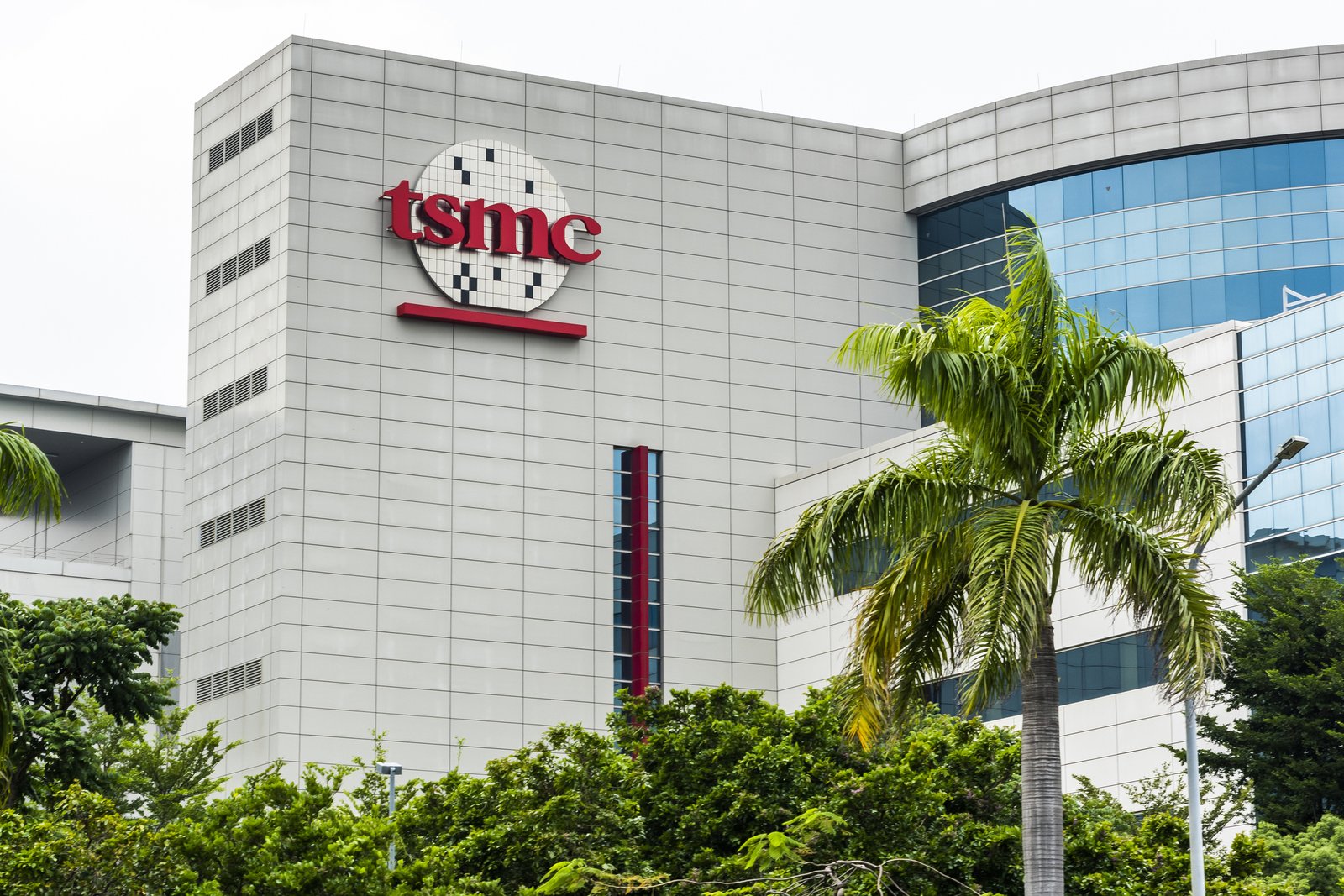
TSMC is evaluating sites beyond Arizona for its next American expansion, and the chief executive’s condition for a Texas plant was stated plainly: the company would have to operate it.
C.C. Wei, the company’s chief executive, confirmed on the October 15 earnings call that the review has widened past Arizona and that Texas is one of the options. Teams have visited the state, and the company has held talks with Terafab, a customer that has already begun building a plant of its own.
That condition is the substance of the negotiation. Elon Musk has said Terafab will be built and operated by him, with TSMC at most renting part of the facility. The two sides have not signed an agreement, and the difference between a fab that a foundry runs and a fab that a foundry occupies is the difference between two business models.
Running a fab is a manufacturing process developed over decades, involving equipment selection, yield engineering, defect analysis and the scheduling that keeps expensive tools busy. Outsourcing the operation of an advanced plant means the operator’s process control is no longer its own, and a foundry’s competitive position rests on exactly that. The customer would be buying a plant; the supplier would be surrendering the part of its business that is hardest to copy.
Interest from customers is not in short supply. TSMC’s chief executive for North America said he receives at least ten calls a day from companies asking for capacity, a description of demand that has held for more than two years. The gap between what customers want and what exists is the reason a third party is trying to build a plant of its own.
State and national incentives shape where the capacity lands. Taiwan’s economics minister said the government would build an industrial park in Texas at a scale of two to four billion dollars per site, giving smaller suppliers who cannot afford to expand abroad on their own a place to operate. That approach addresses a practical problem: a fab needs hundreds of vendors nearby, and a single large plant without its supply chain runs at higher cost.
The economics of American production remain the constraint. Building and operating a leading-edge fab in the United States costs more than in Taiwan, and the difference has to be absorbed by the customer, the government or the company’s margin. TSMC has priced its overseas wafers higher and has relied on subsidies, which is why the pace of its expansion abroad has followed the politics of the jurisdictions involved.
Texas brings a set of advantages that other locations lack. The state has cheap power relative to the coasts, an established base of semiconductor employers, a permitting process that moves quickly and a workforce with adjacent skills in electronics and energy. Those are the reasons several manufacturers have chosen it, and they are the reasons TSMC’s team made the trip.
The concentration question also runs through the decision. Customers and governments want advanced manufacturing spread across more locations than one island, and every additional site reduces the share of the world’s supply that depends on a single geography. That motive is what makes expansion abroad a strategic priority even when it is more expensive per wafer.
Whether Terafab becomes a partner or a competitor depends on how the operation is divided. A customer building its own capacity can buy process technology, license a node or hire engineers, and each path leads to a different relationship with the established foundries. The condition that TSMC runs the plant is a way of saying the process stays with the company that developed it.
Analysts said the talks illustrate how the balance of power has moved between chip buyers and chip makers. Companies that design systems ranging from vehicles to satellites now want their own production, and the foundries that can actually build at the leading edge are few enough to set terms. The customer’s bargaining position rests on how much silicon it intends to buy, and the supplier’s rests on the fact that no other company can perform the work at that scale.
What remains unresolved is where the next plant goes, who pays for the buildings and how any of it affects the geography of supply. The talks are at an early stage, no agreement has been signed, and the timeline for a decision will be set by demand rather than by announcements.
The industrial park proposal speaks to a problem that has limited every attempt to move advanced manufacturing. A fab is the anchor of a cluster, and the equipment vendors, chemical suppliers and maintenance firms that surround it are not large enough individually to justify a move on their own. A government that builds the site and rents it out is subsidizing the part of the ecosystem that cannot make the decision by itself.
The customer side of the conversation is why the talks have drawn attention beyond the two companies. A business that designs its own silicon and wants it manufactured next door is asking for something no foundry has agreed to before, and the answer will shape how much of the computing supply chain stays inside the handful of firms that build it today.



