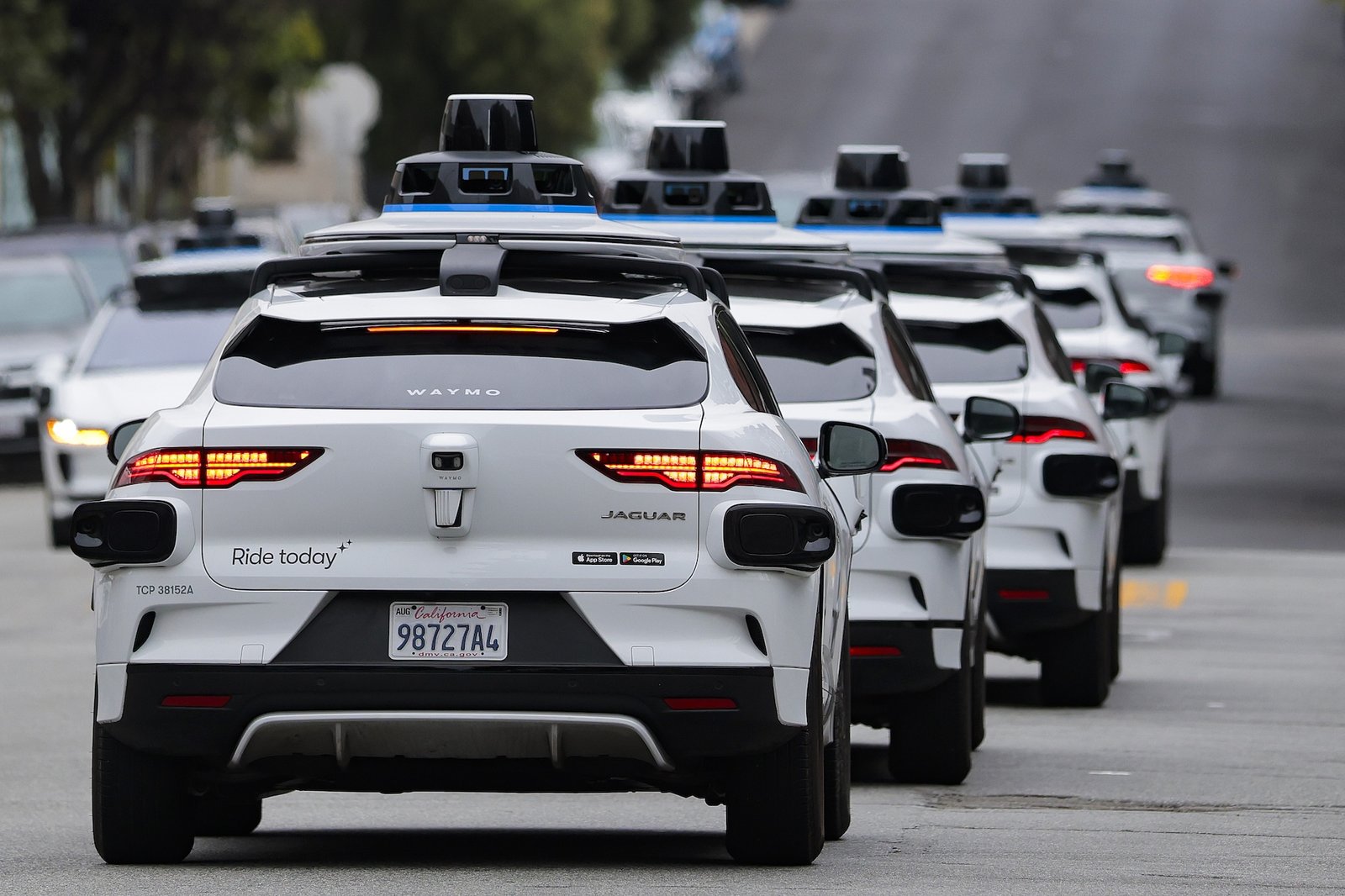
Waymo announced on October 16 that Canada will be its fourth overseas market, with Toronto as the first city. Within days the company will put manually driven vehicles on Toronto streets to build high-definition maps and validate safety performance, aiming for its first paying passengers in 2028.
The company is partnering with Element Fleet Management, a Canadian fleet operator, and said it will commit hundreds of positions over the long term in vehicle maintenance, validation driving and customer service. Waymo had previously named London, Tokyo and Singapore.
The Canadian expansion continues a pattern the company has followed for two years. Waymo enters a city with human drivers first, mapping routes and recording conditions, and only then deploys its autonomous fleet. The mapping phase produces the data that the driving system uses to localize itself, and it also produces the local relationships, depot locations and regulatory contacts the operation needs.
Winter is the variable that makes Toronto a different test from Phoenix or San Francisco. Snow covers lane markings, obscures signs and changes how vehicles and pedestrians behave. Sensors that rely on cameras and lidar have to determine where the road is when the road is not visible, and the company’s mapping approach has to account for conditions that change with the weather rather than with construction.
Regulatory structure matters as much as climate. Ontario and the federal government share authority over automated vehicles, and Transport Canada has been developing a framework for testing and deployment. A company that wants paying passengers needs approval that covers commercial operation rather than a research permit, and the path to that approval has not been traveled in Canada.
The choice of partner reflects how the operations actually work. A robotaxi fleet needs somewhere to charge, clean and service vehicles, and it needs people who can drive them when the software declines to proceed. Element Fleet Management brings the depots, the mechanics and the labor relationships, which is a considerable part of the cost of running a commercial service.
Waymo’s international strategy has been to announce markets well before they open. London, Tokyo and Singapore were named earlier, and none of them carries passengers yet at the scale of the American cities where the service operates. Announcing a 2028 target gives governments time to write rules and gives the company time to finish the mapping and validation work that determines whether the date holds.
The company is not the only entrant. Chinese operators have launched driverless services in several cities and have begun exporting vehicles and software to partners abroad, and Tesla has said it will operate its own robotaxi service in more markets. Toronto’s decision on which operators to admit, and on what terms, will be made in the next two years.
For Toronto the calculation is a mix of prestige, transit policy and risk. A city that hosts a driverless service gains attention and a technology sector argument, and it takes on the question of what happens when a vehicle is involved in a collision. Provincial and municipal officials have been careful to describe the process as supervised testing rather than commercial launch.
Labor is the quieter issue. Taxi and ride-hailing drivers in Canadian cities have watched the American deployments and have argued that municipal licensing rules should require consent before automated services operate. The hundreds of jobs Waymo described are operational and maintenance roles, not driving roles, and the net effect on employment in the sector will be argued out in council chambers.
Analysts said the interesting question is whether Waymo’s mapping-first method scales internationally at a pace that satisfies its investors. Each city requires vehicles, drivers and data collection before revenue begins, and the company’s spending on expansion competes with the cost of improving the service in cities where it already operates.
Insurance and liability arrangements have shaped where robotaxi companies go as much as technology has. Canadian provinces set insurance requirements for automated vehicles, and the rules determine who is liable when the system is driving. Those frameworks are being written now, which is one reason the commercial launch date sits two years out.
The competition in the market is no longer only about driving. Operators that succeed at scale are the ones that control depots, charging, cleaning and remote assistance at a cost per ride below the fare. Waymo’s decision to bring in a fleet management partner rather than build that capability itself suggests the company has concluded that the operational layer is better rented than owned.
What Waymo did not say is how many vehicles will eventually serve Toronto, what the fares will be, or when the service will move from testing to commercial operation beyond the 2028 target. Those details depend on approvals in Ontario and Ottawa that have not yet been granted.