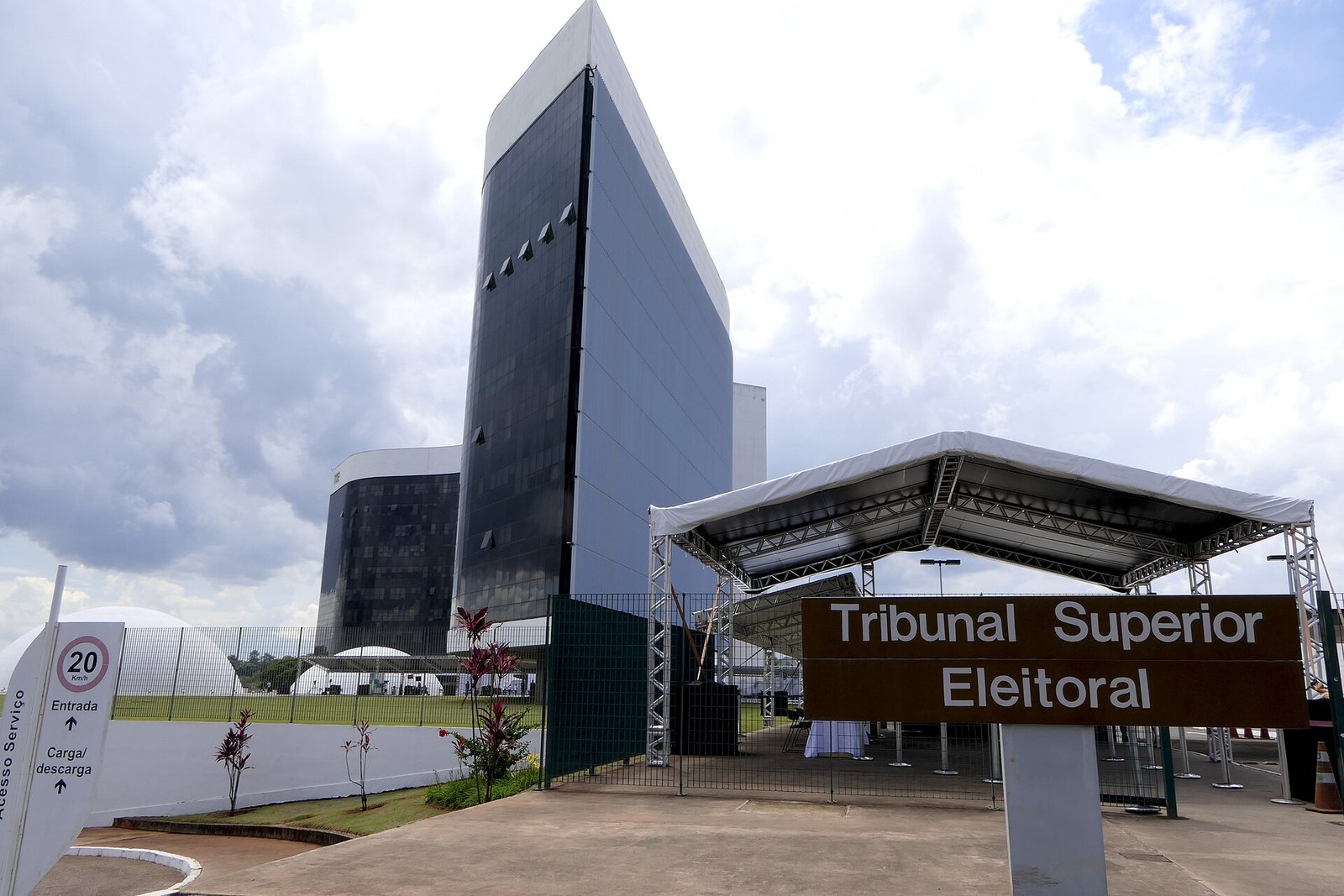
Brazil’s Superior Electoral Court moved on October 15, ten days before a runoff vote, with an order that leaves Meta little room to adjust what its platforms show. Judge Marco Aurelio Bellizze ruled that the company may not reduce the distribution of political content, restrict search results or remove posts before the second round on October 25.
The order carries a daily fine of 500,000 reais for noncompliance. The fine works out to roughly $90,000 a day at current exchange rates, small enough for a company of Meta’s size to absorb for a week and large enough to create a record that a later court can enforce.
The order also reaches into a product with no real precedent in election law: the Meta AI assistant inside WhatsApp must apply the same standard to both candidates on the ballot. That is a harder obligation than it sounds, because the assistant answers in natural language rather than through a ranked feed a regulator can sample.
Meta answered the next day. The company denied political bias and attributed complaints about reach to a global technical fault and to anti-fraud measures applied more broadly than intended. That explanation is plausible on its own and hard to check from outside, because the systems involved are ranking models whose behavior the public cannot inspect.
The timing is what gives the ruling force. Brazil’s electoral courts hold broad authority to act quickly, and the country has already shown it will suspend a platform that ignores them. The standoff between the same court system and X in 2024 ended with the service blocked for weeks and fines paid, a sequence Meta’s lawyers have had two years to study.
WhatsApp is the part of the case with the widest reach. The service is close to universal in Brazil and functions as the country’s political plumbing: campaign coordination, group messaging, turnout operations. An assistant that answers questions about candidates inside that channel is a new kind of actor in an election, and the court treated it as one.
The other thread in Meta’s week ran the opposite direction, and it was voluntary. The New York Times reported, citing tax filings made public this week, that the company had recovered $25 million from a political group it funded, and that its budget for the U.S. midterms fell roughly 40 percent below the $65 million it first committed.
Read together, the two stories describe a company reducing its exposure to politics from both ends. One is compelled. The other is a choice, and the choice is about money and risk rather than principle.
The sums are small against Meta’s revenue, which makes the decision easier to read. A $65 million political program is a rounding error on the income statement and a liability in the press. Every dollar spent on election infrastructure buys a headline about influence, a subpoena or a hearing.
The staffing tells the same story. Teams built after 2016 to monitor elections, coordinate with governments and answer disinformation complaints have been cut across the industry. The war rooms that once produced daily briefings have become smaller operations with broader mandates, and the people who ran them have dispersed.
For Brazil, the practical question is enforcement. A court can order a company not to downrank political content. It cannot easily confirm that the order was followed, because confirmation requires internal data on how a ranking system treated specific posts, and access to that data is granted by the company.
The court does have tools. It can demand logs, summon executives and, at the limit, order a service suspended. Each step takes time, and the runoff is ten days away. An order that lands after the vote has little value, which is why the daily fine was attached from the start.
There is a wider pattern in how democracies are regulating platform speech. Legislatures write rules that take years to pass. Courts issue orders in days. Companies respond to the forum that moves fastest, which is why election law in practice is being written by judges in Brasilia and in other capitals, one ruling at a time.
For advertisers and investors, the ruling adds a line to the risk column for any product that recommends content in a regulated market. A system tuned for engagement will, at some point, produce a distribution pattern that a regulator reads as bias. The defense has to be documentation produced before the complaint was filed.
Both threads also point at a question the platforms have not answered well. If political content is a cost rather than an audience, the rational move is to reduce it. If reducing it triggers fines in one country and hearings in another, the company has to choose which regulator to disappoint, and that choice is now visible in public documents.
Meta has not said whether it will appeal. It has also not described how the WhatsApp assistant’s answers are constrained, which is the question the court is most likely to press next, since an assistant can produce the same answer to two voters and a different one to two others without any post being ranked at all.
The runoff is on October 25. Between now and then the useful signals are narrow: whether the reach complaints stop, whether the court demands internal data, and whether the tax filings draw attention from campaign finance regulators in Washington who have their own interest in how corporate money reaches political committees.