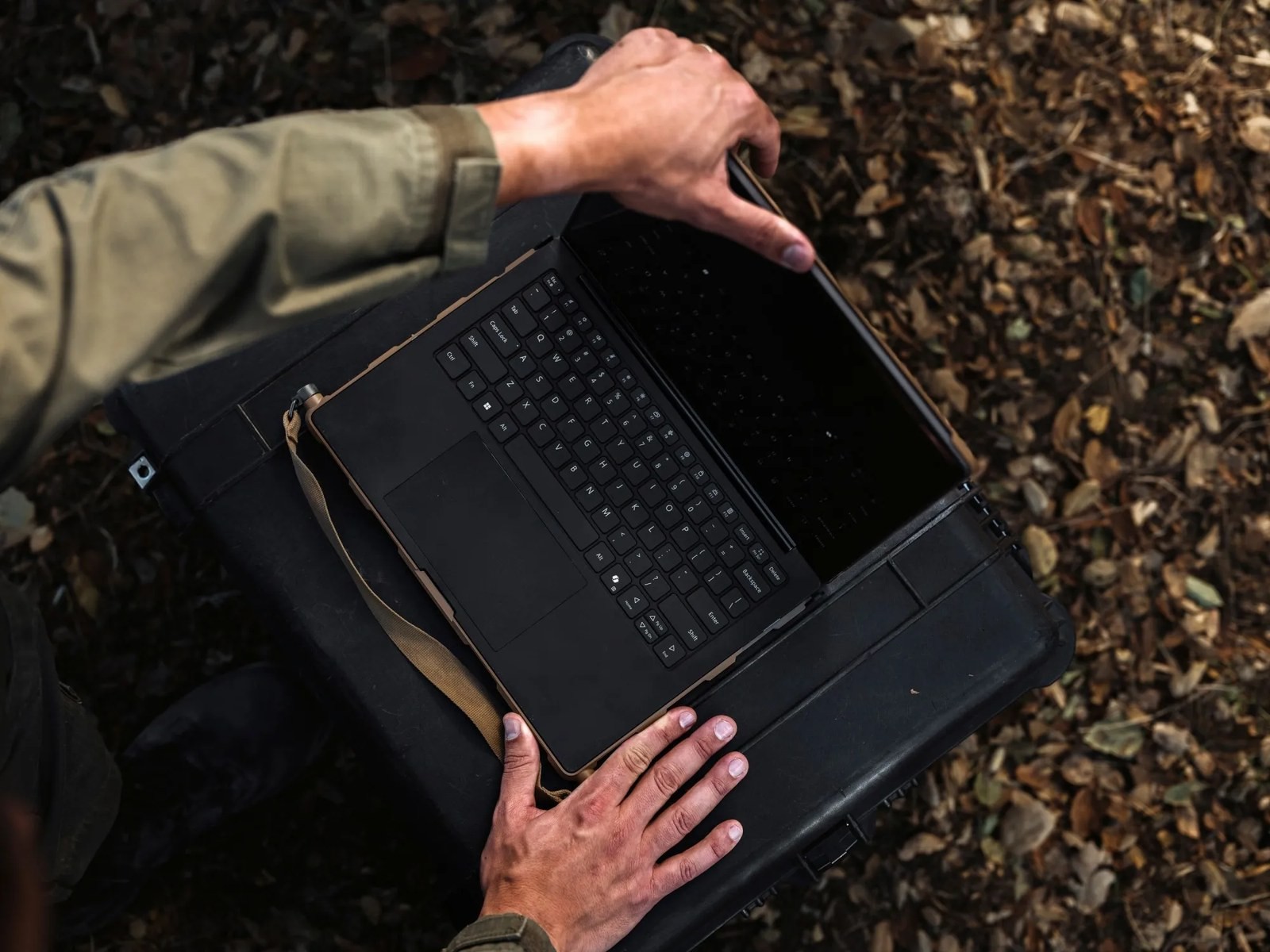
The laptop is designed for people who take it into places without reliable power or a network: Army officers, federal investigators, police departments, firefighters. The processor inside it will come from a fabrication plant north of Phoenix, according to people familiar with the arrangement, a first for a machine sold to the Pentagon on the promise of a domestic supply chain.
Taiwanese media reported on Oct. 29 that Taiwan Semiconductor Manufacturing Co.’s Arizona site will produce the chip that Anduril Industries and Qualcomm developed for the machine, a hardened laptop sold under the name BlueChip, with orders scheduled to open in 2027. Qualcomm Chief Executive Cristiano Amon confirmed the Arizona production plan when the two companies unveiled the product on Oct. 27.
The machine runs on Arm-based silicon, specifically Qualcomm’s Snapdragon X series, the same family used in consumer laptops from several PC makers. Anduril says more than 90% of the cost of the components in the first generation comes from the U.S. and allied countries, and that the goal is to reach 100% domestic content over time.
For TSMC, the arrangement adds a category of customer its American site has not had before. The Arizona fabs were sold to Washington and to TSMC’s shareholders as a way to put leading-edge capacity on U.S. soil for the companies that design chips: Apple, Nvidia, AMD. A defense contractor buying processors for a rugged laptop is a different kind of order, smaller in volume and heavier in paperwork, with an end user that files export licenses for a living.
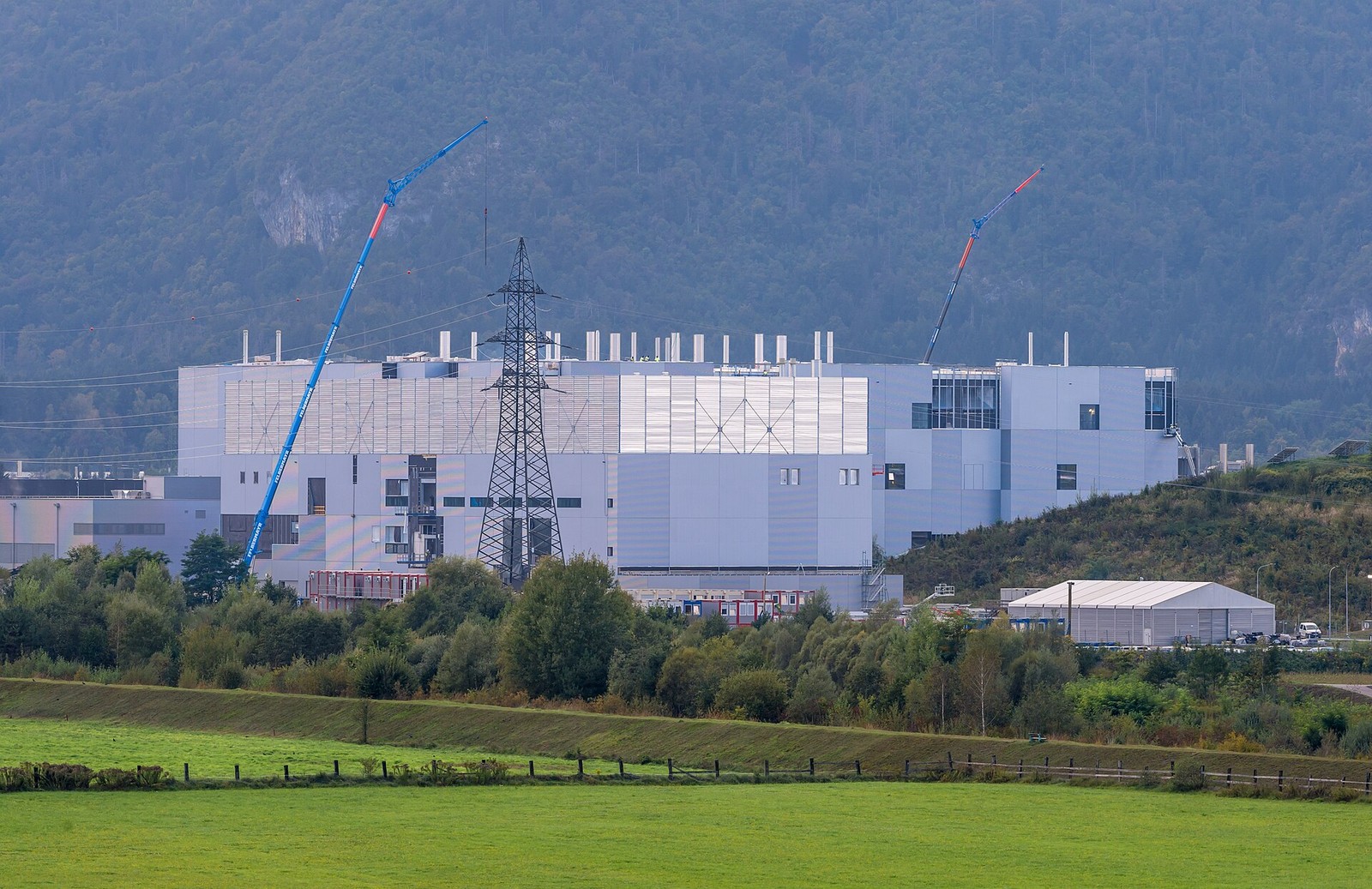
The foundry has committed $165 billion to its U.S. buildout, a figure that grew by $100 billion in March 2025. Its second Arizona fab finished construction this year, with mass production scheduled for the second half of 2027, roughly when BlueChip orders begin.
The sourcing decision also fits a broader push inside the Pentagon to shorten the distance between a design and the factory that builds it. Programs that once accepted commercial supply chains as a fact of life now write origin requirements into contracts, and contractors have responded by moving assembly and, where they can, component production onshore. Anduril’s Ohio plant, a facility the company has described as a software-defined factory, is part of that buildout.
Anduril’s founder, Palmer Luckey, has described the product as a supply chain argument as much as a hardware one. “These computers are the anti-surveillance computer. You fully control it,” he said in an interview before the launch. The pitch to federal buyers is that every part and every piece of software can be traced and audited, which is not a claim most laptop vendors can make about a device assembled from components sourced across Asia.
Compliance is the other half of the sale. Federal agencies operate under rules that require domestically manufactured information technology, and those rules have been tightened repeatedly over the past decade. A laptop whose processor is fabricated in Arizona and assembled at Anduril’s Arsenal-1 plant in Ohio clears a bar that a device built in Shenzhen cannot, at least on paper.
The volume will be modest. Government laptop purchases are typically counted in the thousands or tens of thousands, next to the hundreds of millions of machines the consumer PC market absorbs each year. For Qualcomm, which has spent four years trying to establish Snapdragon chips in Windows machines against Intel and AMD, a government channel offers a foothold where procurement rules matter more than benchmark scores.
For TSMC, the strategic value is different from the revenue. A U.S. fab with a defense customer inside its order book is harder for policymakers to treat as optional, and harder for shareholders to argue was a public relations exercise. The company has said its Arizona costs run above those in Taiwan, a gap it expects customers to absorb in exchange for supply that does not cross the Pacific.
That gap is also the weak point in the domestic content story. Luckey has said the display is among the components still made only in China, and that he has found an American supplier for the glass that covers it but not for the panel itself. Battery cells, magnetics and some connectors present similar problems, which is why the company describes 100% domestic content as a roadmap rather than a date.
None of this happened without a customer willing to pay a premium and a government willing to require one. The laptop exists because the Pentagon and Congress decided that the origin of a processor is a security question, and because two companies concluded that the margin was worth having.
What remains unproven is the pace. Anduril has not published unit targets, has not finished contracting with all of its component suppliers, and is building the first product for buyers who care about rain, dust and audit trails rather than weight or battery life. TSMC’s Arizona output has to qualify with a customer whose volumes will not fill a production line.
The next test comes in 2027, when orders open and the first machines ship to agencies that will inspect them, part by part, against a bill of materials that is supposed to read like a map of the United States.