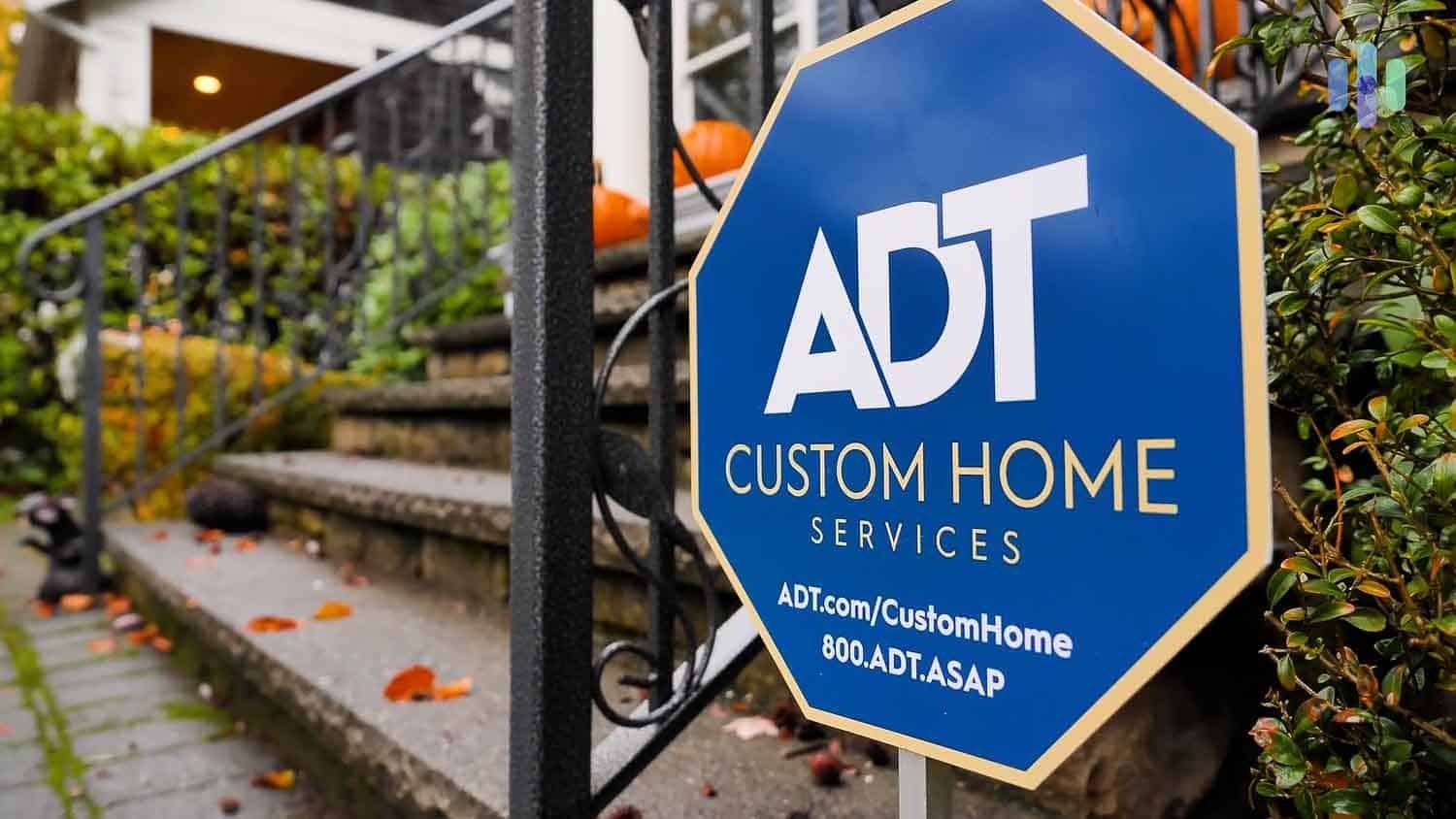
ADT agreed on Thursday to sell itself for $10 a share in cash, a price that values the home-security company at $15.3 billion including debt, ending a long stretch in which its shares traded as though the business had no future worth paying for.
The buyer is Thrive Holdings, an investment vehicle backed by OpenAI. The offer represents a 45.6% premium to ADT’s closing price of $6.87 on October 27, before the talks became public. The agreement carries a 30-day solicitation window that runs to November 28, during which ADT can seek a better bid, and it contains no financing condition, meaning Thrive must close or pay for the failure.
For a company founded in 1874 to send telegraph alarms, the sale is a turn few would have predicted. ADT has spent the past decade as a cautionary tale about the private equity cycle. Apollo Global Management bought it in 2016 in a deal valued at about $6.9 billion, took it public two years later at $14 a share, and watched the stock drift downward for most of the years since. The company carries debt from that history and a customer base that grows slowly because installing a security system requires a technician, a truck and an appointment.
What Thrive is buying is not the technology. It is the reach. ADT monitors roughly six million homes and small businesses in the United States and Canada, through a network of monitoring centers, authorized dealers and service vans. Those homes contain door sensors, motion detectors, cameras, glass-break detectors and, increasingly, connected thermostats and locks. Each of those devices produces a signal, and every signal passes through ADT’s systems.
That is the asset an AI company cannot build quickly. Models are abundant. Distribution into American households is not. A security company already has permission to sit inside the home, a monthly billing relationship, and a workforce that shows up when something breaks. The sensors are installed and the customers are paying, which is more than most smart-home ventures can claim.
Thrive said ADT will serve as the vehicle for its smart-home and security platform, a description that leaves the operating plan vague and the strategic intent clear. The company has been assembling businesses that touch customers in person, on the theory that AI is most valuable when it is attached to work that happens in the physical world. A monitored home is a natural target: video that must be reviewed, alarms that must be triaged, dispatch decisions that must be made in seconds, and a large volume of false alerts that waste both customer patience and staff time.
The false-alarm problem is the obvious place to start. Security systems generate enormous numbers of triggers that turn out to be pets, curtains or delivery drivers, and each one costs a monitoring center operator a few seconds of attention. A model that cuts that volume without missing the real events is worth real money, and it can be deployed across an installed base without asking a single customer to buy anything new.
The harder question is whether the economics work. ADT’s revenue has run near $5 billion a year, most of it recurring monitoring fees, at margins that reflect the cost of installing hardware and paying people to answer alarms. Improving that business with software is plausible. Transforming it into a platform business is a different claim, and the purchase price of $15.3 billion, at roughly three times revenue, is not a distressed multiple. Thrive is paying for the option, not the current cash flow.
There is also the Google complication. Alphabet invested $450 million in ADT in 2020 for a stake of about 6.6% and a partnership that put Nest hardware into ADT’s product line. That relationship made ADT the largest installation channel for Google’s home devices. An owner aligned with OpenAI changes the politics of that arrangement, and Alphabet’s stake, whatever its size today, now sits inside a company controlled by a competitor’s patron.
The comparison that matters for the industry is with the last wave of smart-home consolidation. Amazon bought Ring, Google bought Nest, and both discovered that hardware margins are thin and that the real business is the subscription behind the device. ADT already has the subscription. What it lacks is a reason for customers to pay more for it, and that is the gap a model provider believes it can fill.
For OpenAI, the deal is a departure in kind. Its investments to date have been in computing, in chips and in the data centers that train and serve its models. ADT is a company with monitoring centers, a fleet of vans and a workforce that answers alarms at three in the morning. Buying it puts the lab’s technology inside a business measured in truck rolls rather than tokens, and it exposes the investment to labor costs, churn and the slow grind of a mature subscriber base.
The 30-day window is the near-term variable. ADT’s board can accept a higher offer, and the absence of a financing condition makes Thrive’s bid credible enough that a rival would need to move quickly. Private equity firms that passed on the asset for years are unlikely to reappear at a 45% premium. A strategic buyer with an existing security or telecom footprint is the more plausible alternative, and none has surfaced.
What the deal says about the moment is that AI capital is beginning to look for assets that cannot be replicated by training a bigger model. Data centers can be built. Chips can be ordered. A monitoring relationship with six million households took a century and a great deal of debt to assemble, and it is now for sale at a price that a technology investor, rather than a security company, was willing to pay.