Analysts had modeled $58.7 billion of capital spending for Amazon’s third quarter. The company reported $77.3 billion, then said the figure will rise again.
The gap, disclosed in results published after the close on Oct. 29, set the tone for a call on which Chief Executive Andy Jassy described a cloud business accelerating faster than he had expected and a balance sheet paying for it.
Net sales came to $201.94 billion, short of the $202.26 billion consensus. Operating income of $28.08 billion beat the $26.06 billion estimate at a 13.9% margin. Earnings of $1.89 a share fell below the $1.97 expected.
The split inside those numbers explains the reaction. AWS produced $45.98 billion of net sales, up 39% and ahead of the $45.68 billion forecast, with $17.8 billion of segment operating income. Retail, advertising and subscriptions supplied the rest of the top line at thinner margins.
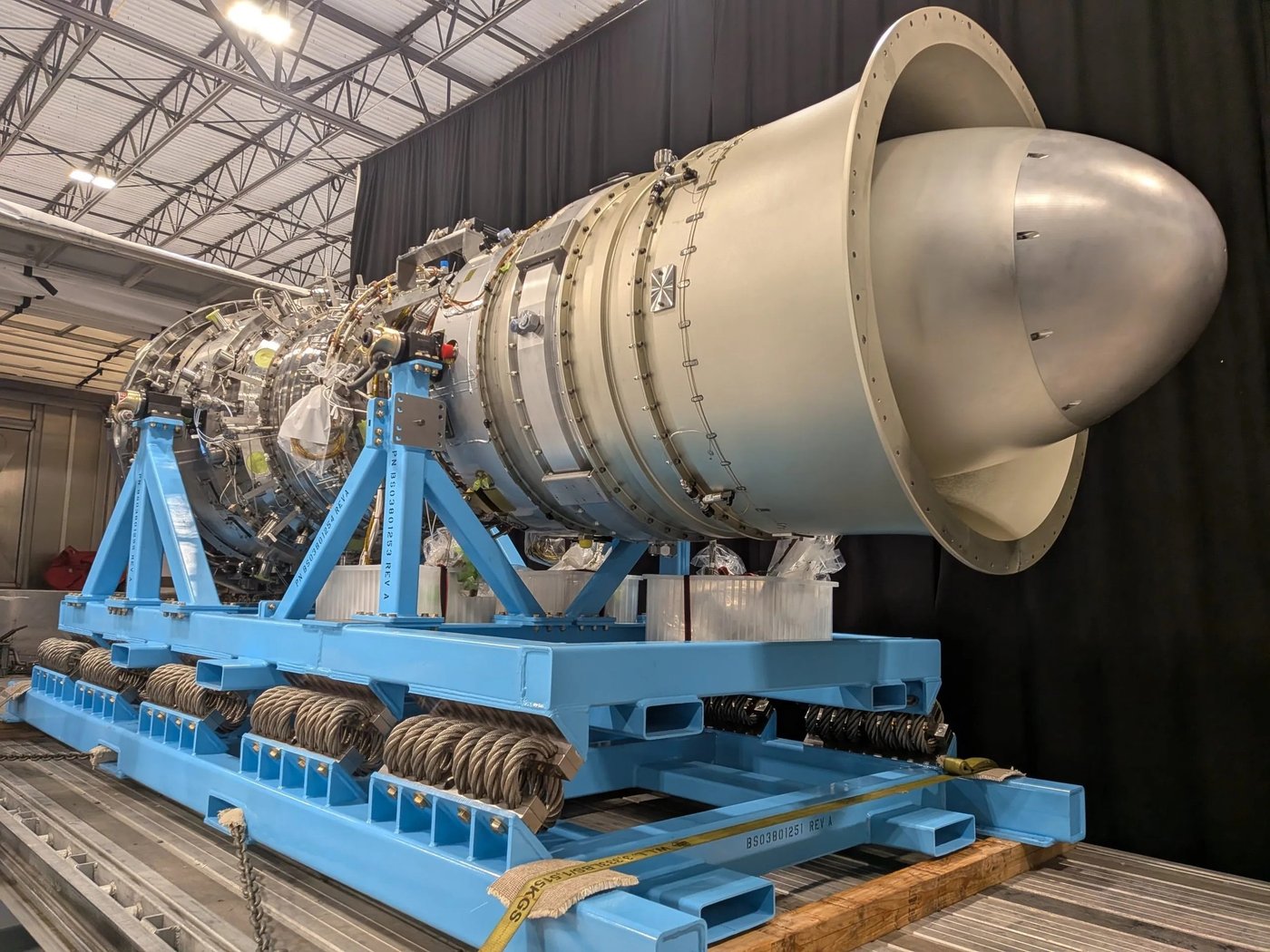
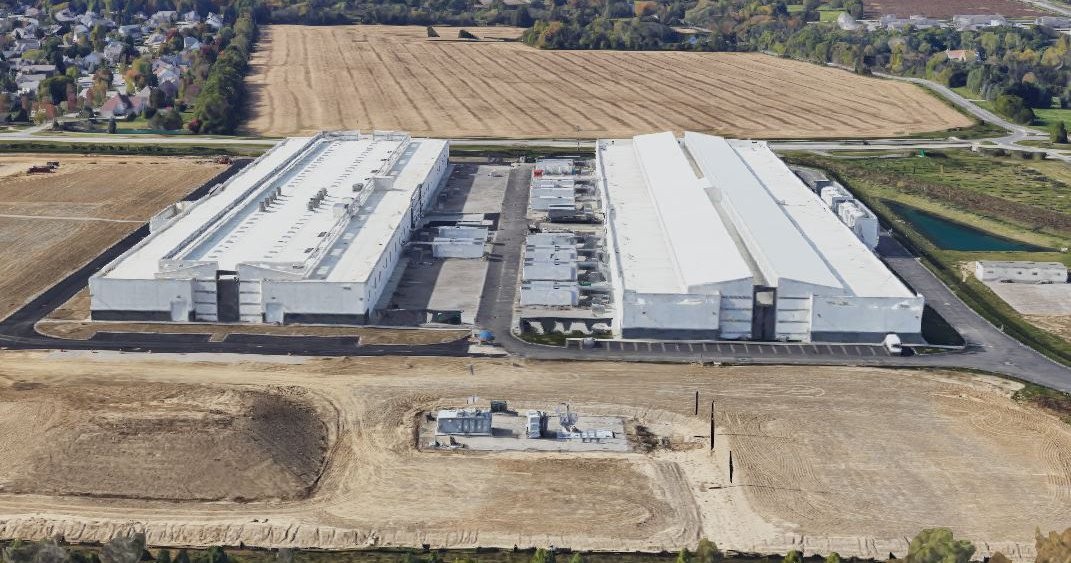
Free cash flow over the trailing 12 months was negative $42.4 billion, a 386% deterioration from a year earlier. In plain terms, the company is now spending more on buildings, chips and power than the business generates.
Mr. Jassy did not treat that as a problem. He said AWS can grow faster than 40% in both 2027 and 2028, that annual revenue could pass $1 trillion within five to 10 years, and that committed orders in the backlog total $578 billion. Cash capital expenditure for the year will land near $220 billion, he said, and rise significantly in 2027. Tokens processed through Bedrock, the service that hosts third-party models, are up nearly 17-fold from a year ago.
Guidance for the fourth quarter, $240 billion to $247 billion, put the midpoint below what analysts had modeled. The stock fell more than 6% after hours.
The doubt is not about demand. It is about the interval between the check and the invoice. A dollar spent on a data hall shows up as depreciation for a decade and as revenue only when customers rent the capacity inside it. Amazon’s own numbers show that interval stretching: capital spending nearly doubled while cash generation fell 13%.
Across the industry, the same arithmetic is producing the same reaction. Alphabet reported a day earlier that capital expenditure had doubled to $51.4 billion while free cash flow turned negative at $9.07 billion, and its shares fell more than 11% in the worst session since its 2004 listing. Both companies are spending at a pace their operating cash flow no longer covers.
What distinguishes Amazon is the size of the hole and the confidence of the forecast attached to it. A backlog of $578 billion is a claim on future revenue, and Mr. Jassy is arguing that much of the capacity under construction is already sold. If that is right, the negative cash flow is a timing artifact — a company writing checks against contracts it has signed. If it is wrong, Amazon will own a great deal of rapidly depreciating equipment.
The market has heard versions of this case before. Telecom operators made it during the fiber buildouts of the late 1990s, and cloud providers made it again during the capacity expansions of the 2010s, when the wager paid off. The difference now is that a large share of the buyers are AI developers whose own revenue is unsettled, and that the equipment — accelerators — loses useful life faster than the buildings that house them. A 30-year building with a five-year chip inside it is a financing problem before it is an accounting one.
That tension showed in how investors treated the quarter’s operating performance. Operating income beat by roughly $2 billion and the margin reached 13.9%, evidence of a company running its mature businesses efficiently. None of it counted against the capex figure and the guidance midpoint.
Analysts said the fourth-quarter range implied slower retail growth into the holiday period, with cloud strength carrying the consolidated total. Several also flagged the gap between cash capital expenditure and the depreciation that follows it, noting that reported profit will look better than the cash story for several quarters yet — a feature of every capital-intensive buildout and a reason the shares can fall while the income statement improves.
The financing side is where the change is most visible. The largest cloud operators spent a decade returning cash through buybacks and dividends. This year they have been selling bonds instead. Microsoft priced $25 billion of debt on Oct. 29, its first investment-grade sale since 2017, and Alphabet sold $25 billion in August. The buildout is being funded partly from operating cash flow and partly from the credit markets, a distinction that matters if rates move or if the demand curve bends.
Amazon’s own position is comfortable by comparison. The retail business throws off cash, advertising is growing, and the company has borrowed lightly relative to its earnings. The question analysts keep returning to is not whether Amazon can fund the buildout but whether the return on it justifies the scale. Every dollar of the $220 billion is a bet that AI workloads will keep arriving at prices that cover the depreciation.
For the near term, the test is the holiday quarter, when retail margins either help fund the construction or fail to. Beyond that, the number that matters is the one Mr. Jassy would not put a date on: when the capex line stops rising faster than the revenue it produces.
His $1 trillion revenue target comes with a five-to-10-year horizon, which conveniently outlasts most investors’ patience. The next few quarters of spending will decide whether that patience is extended.